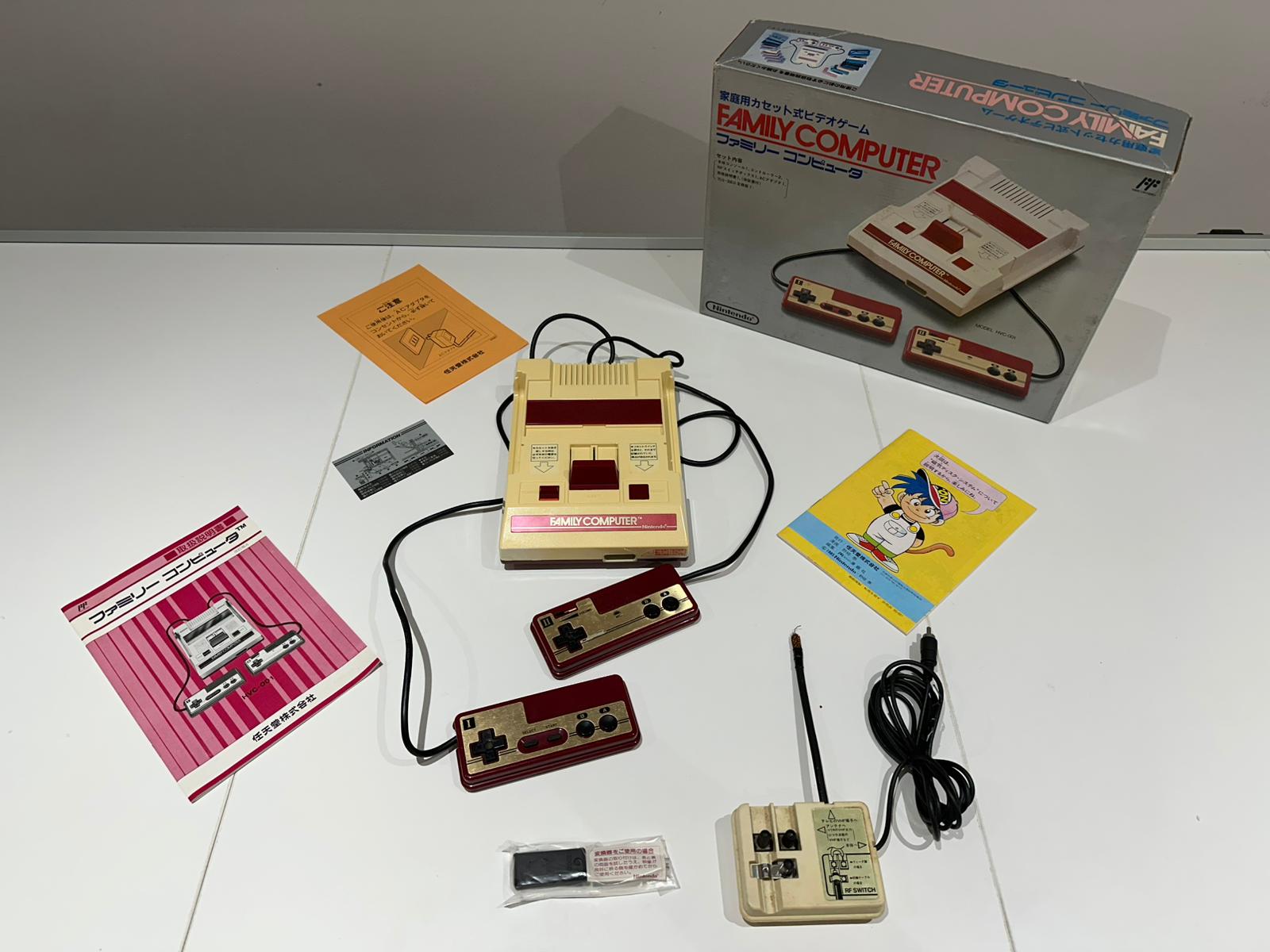
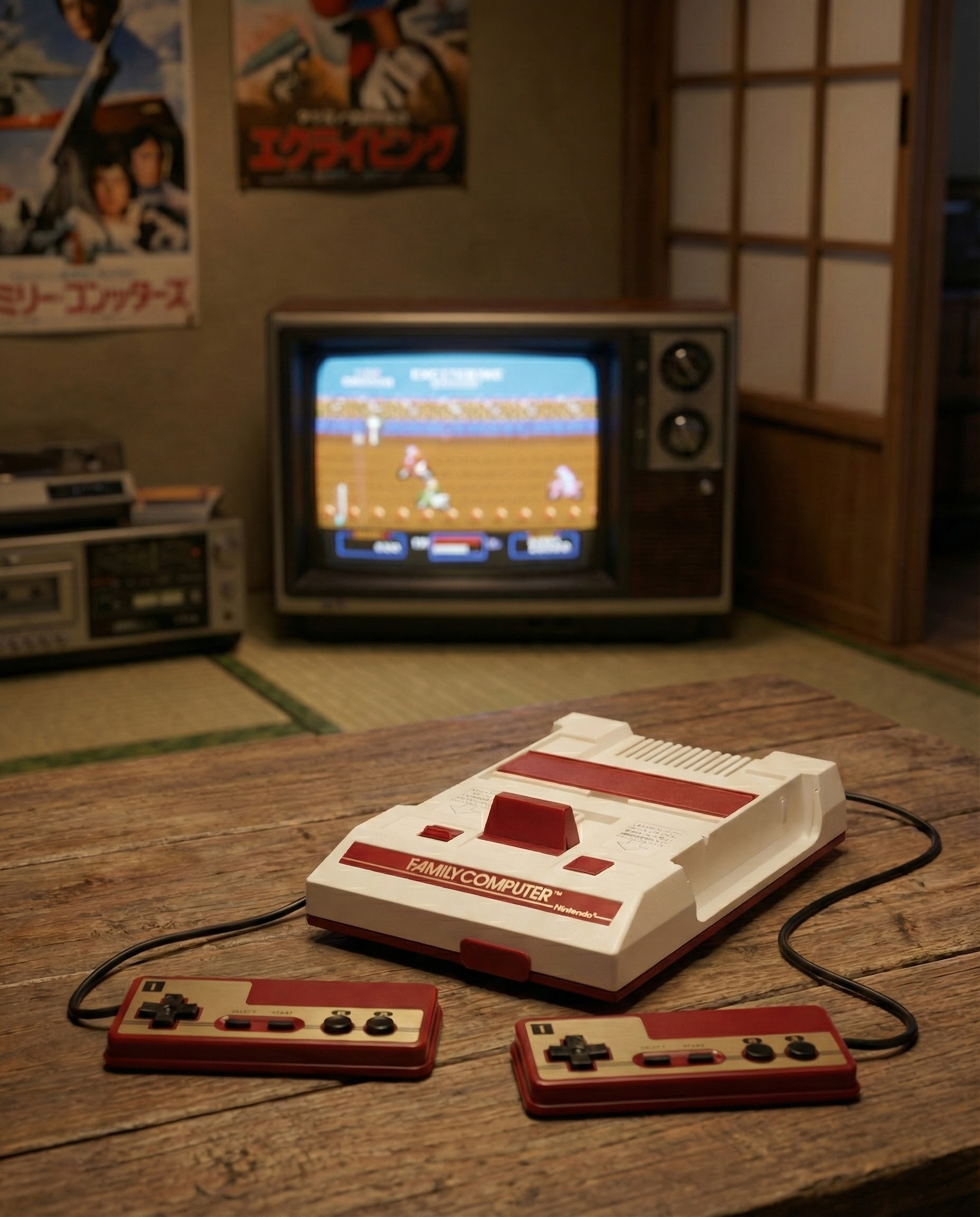
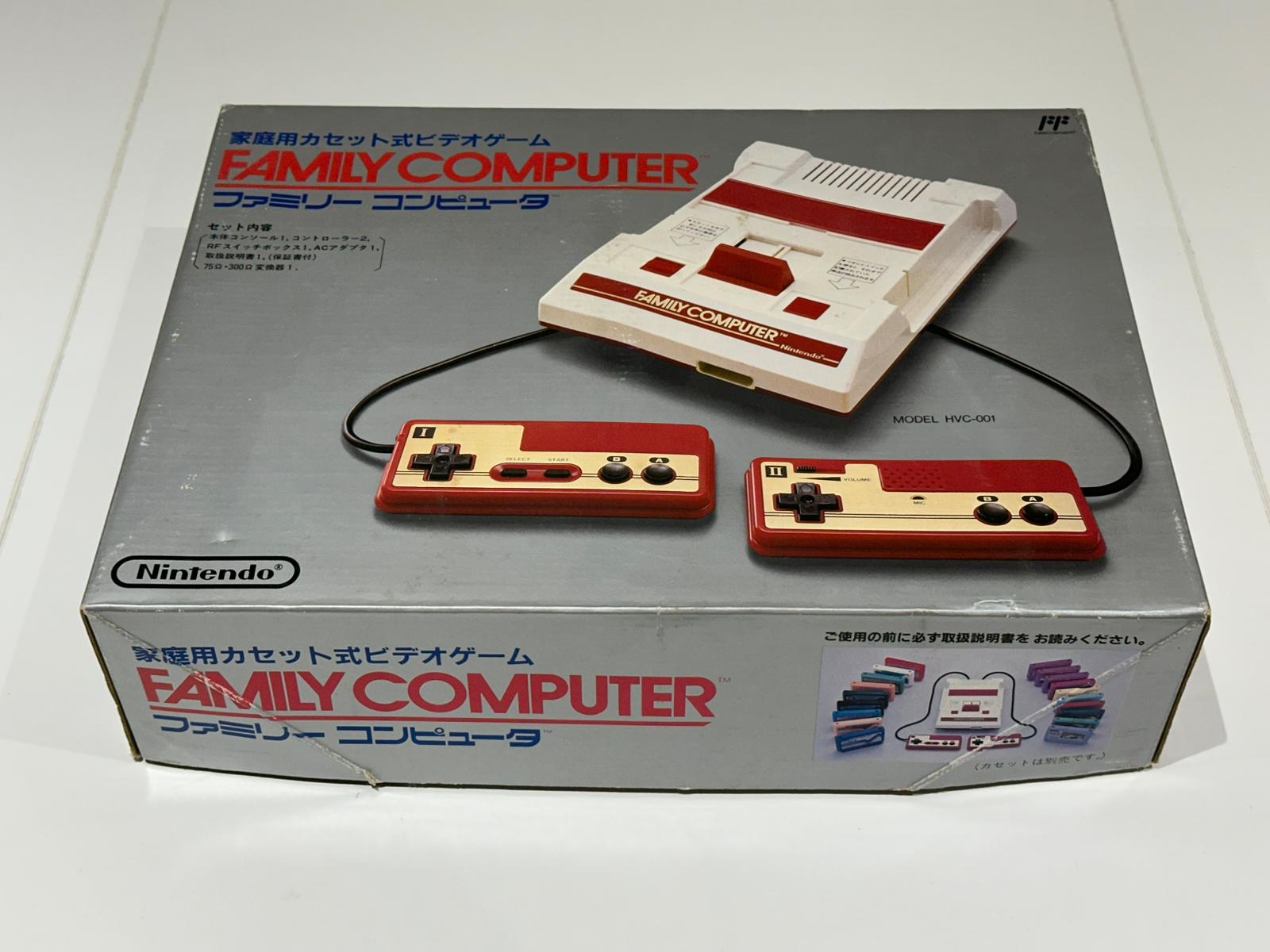
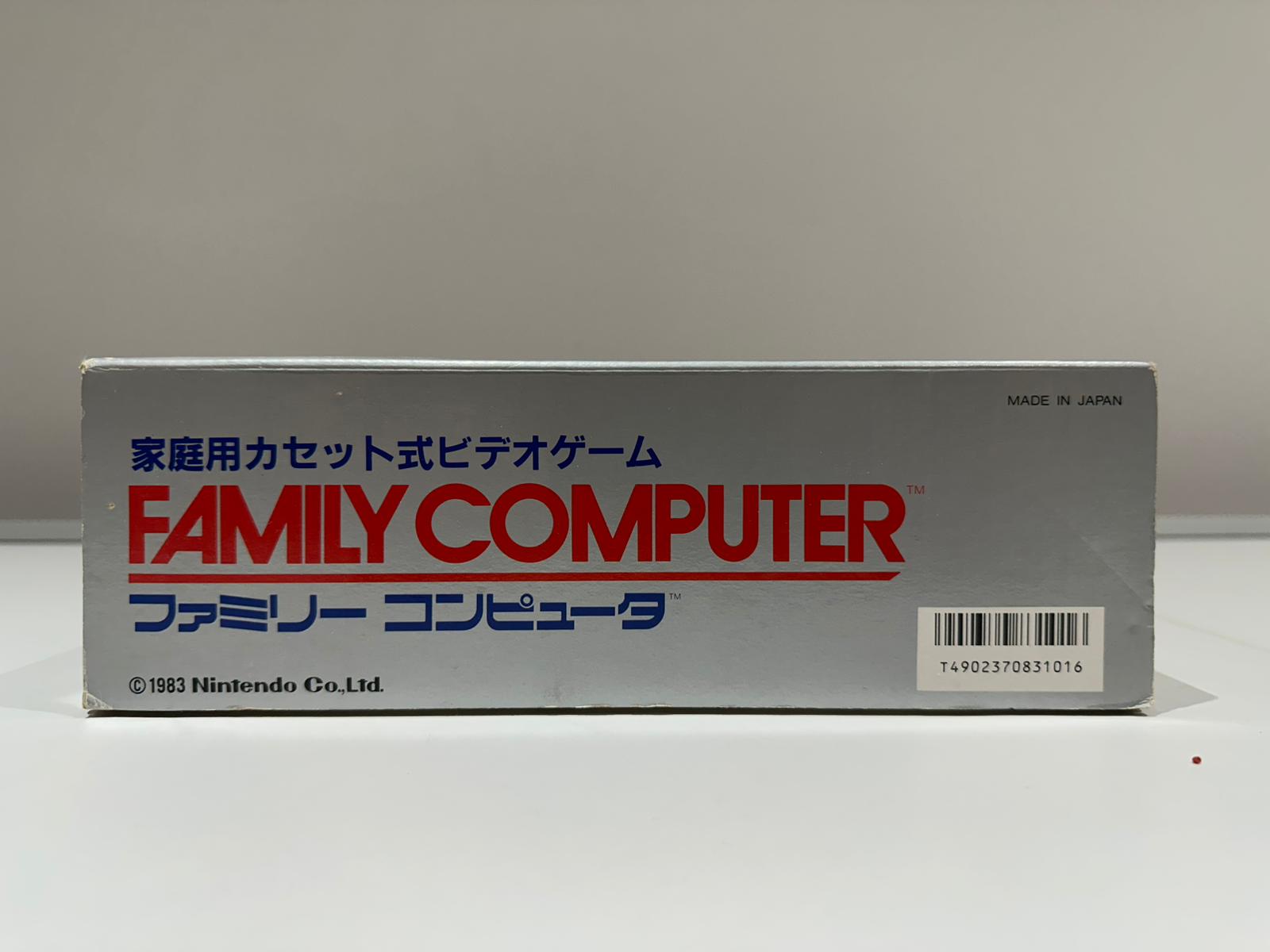
The Nintendo Family Computer, or Famicom, launched in Japan on July 15, 1983, marked a pivotal moment in video game history. Nintendo, previously known for playing cards and arcade games, boldly entered the home console market after the devastating video game crash of 1983 in North America. The Famicom's success was not guaranteed, but its clever design, affordable price point, and, most importantly, its stellar library of games quickly captivated Japanese audiences. Games like Donkey Kong, Mario Bros., and Pac-Man became instant hits, showcasing the console's capabilities and establishing Nintendo as a dominant force. The Famicom's distinctive red and white color scheme became iconic, and its controller design set a new standard for home console ergonomics.
The Famicom's influence extended far beyond Japan. Its eventual release in North America as the Nintendo Entertainment System (NES) in 1985 revitalized the home video game market, which had been struggling after the crash. The NES introduced iconic characters like Mario and Link to a global audience, and its innovative games helped define the platformer, action-adventure, and RPG genres. The console's success paved the way for future generations of gaming consoles and cemented Nintendo's legacy as a pioneer in the industry. The Famicom/NES also popularized concepts like third-party game development and cartridge-based gaming, shaping the landscape of the industry for decades to come. Its impact on popular culture is undeniable, and its games continue to be enjoyed by millions around the world through emulators and re-releases.
1983
NINTENDO
NINTENDO FAMICOM
📜 History & Legacy
⚙️ Specifications
- ❖ CPU: Ricoh 2A03 (based on the MOS Technology 6502) running at 1.79 MHz
- ❖ GPU: Ricoh PPU (Picture Processing Unit)
- ❖ RAM: 2 KB of main RAM, 2 KB of video RAM
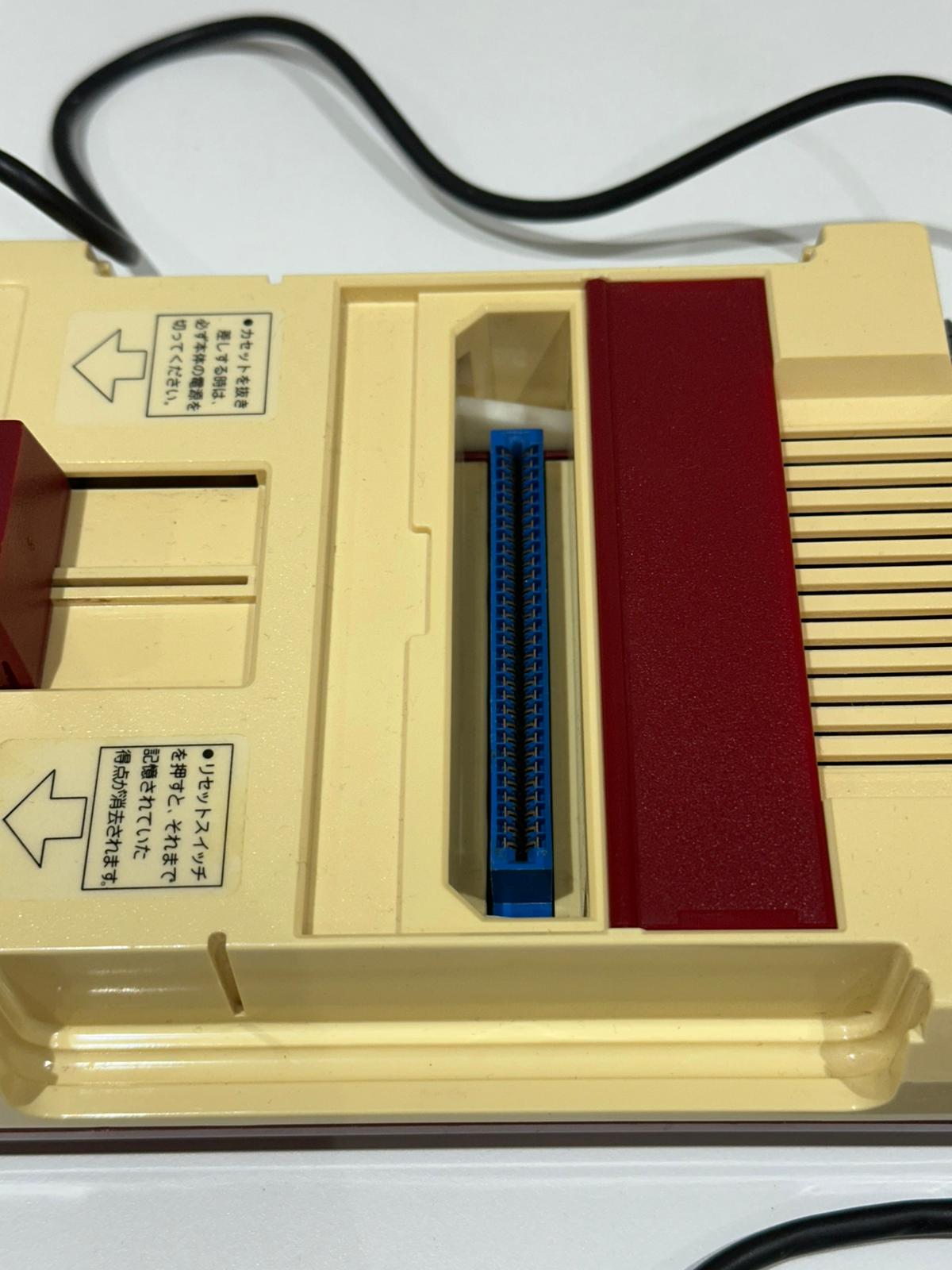
- ❖ Storage: Cartridge-based ROM
- ❖ Media: Game Cartridges
- ❖ Resolution: 256 x 240 pixels
- ❖ Colors: 52 colors (up to 25 on screen simultaneously)
- ❖ Sound: 5 channels (2 pulse wave, 1 triangle wave, 1 noise, 1 DPCM)
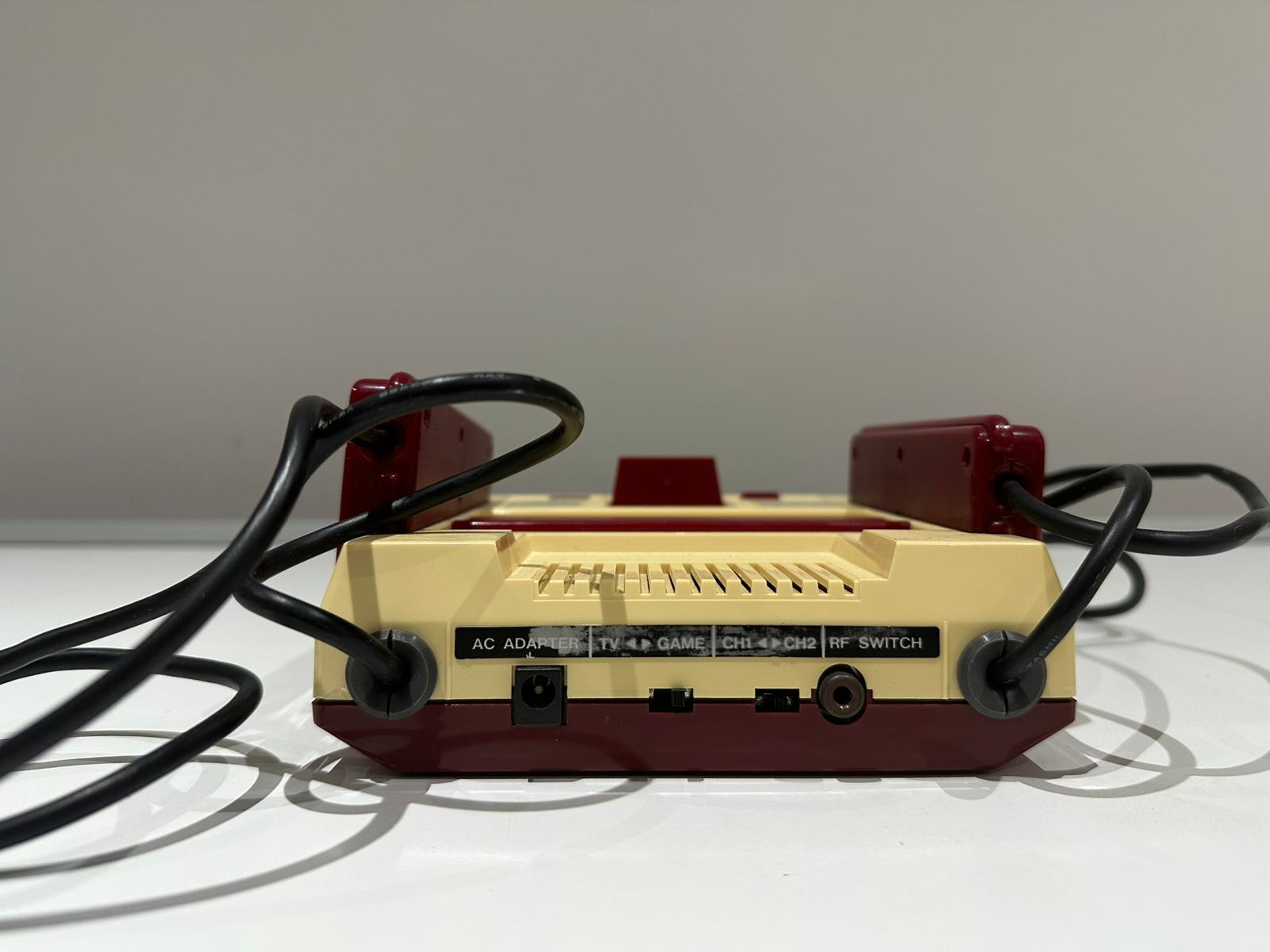
- ❖ Controllers: Two hardwired controllers (later models featured detachable controllers)
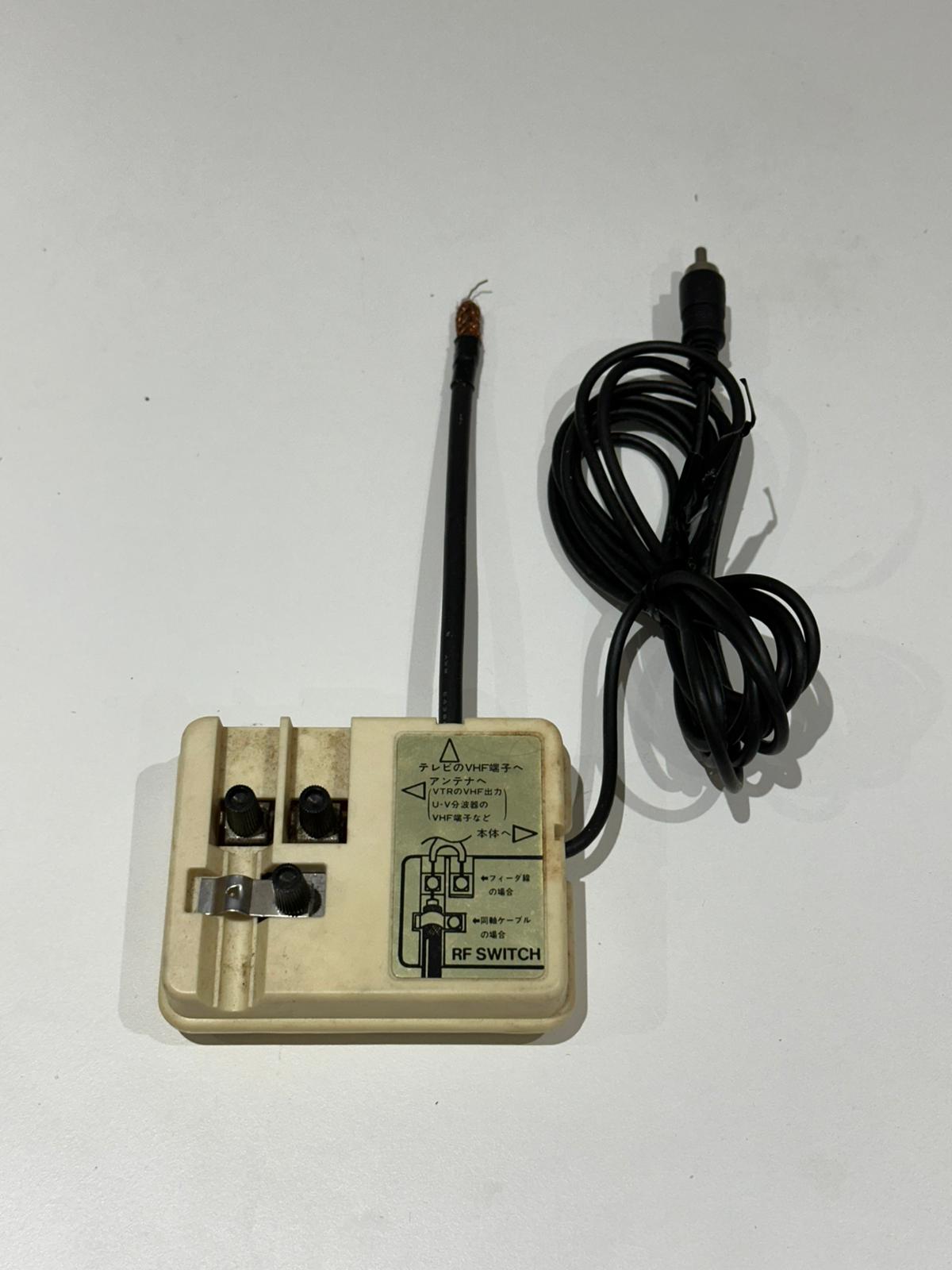
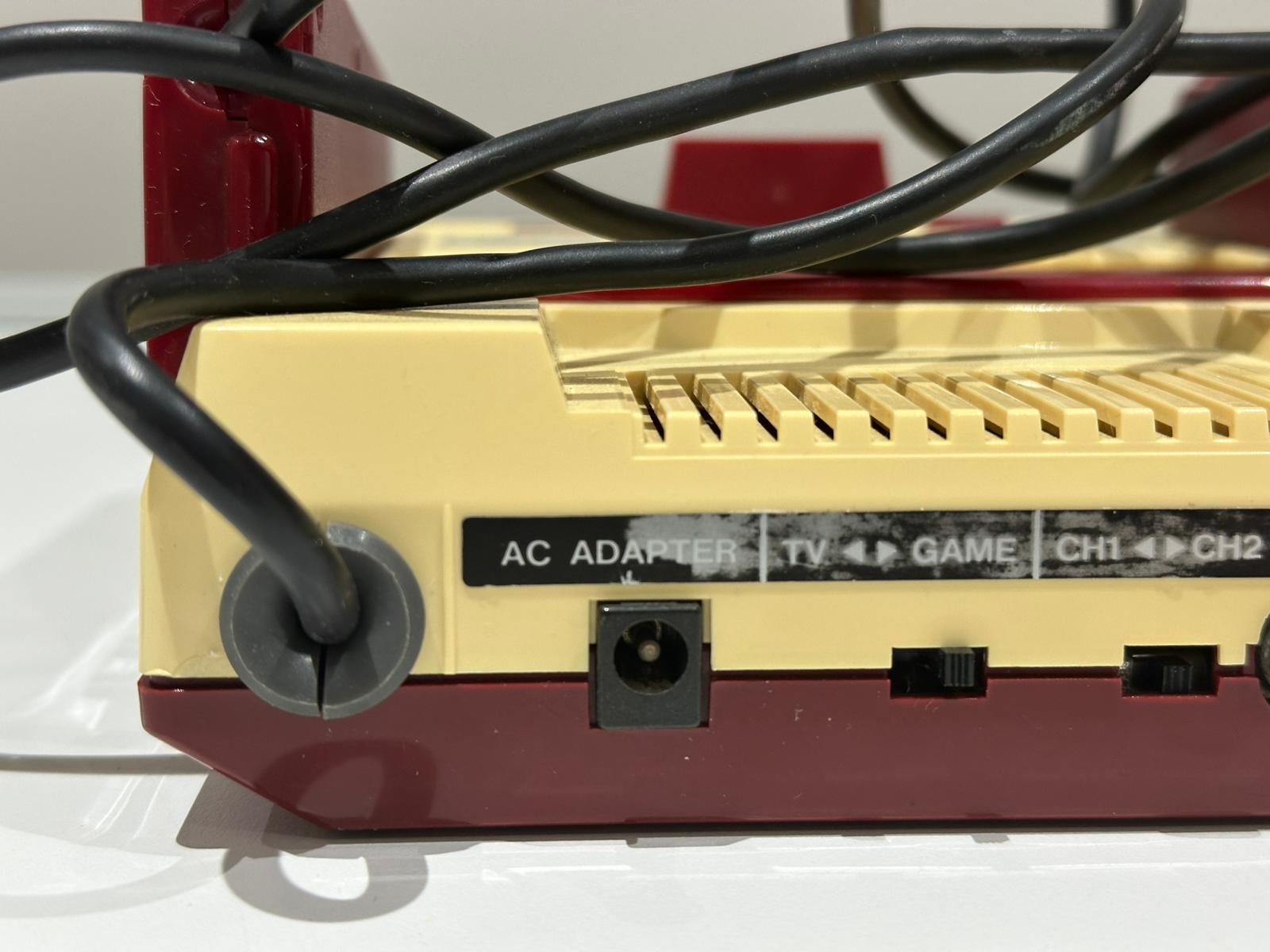
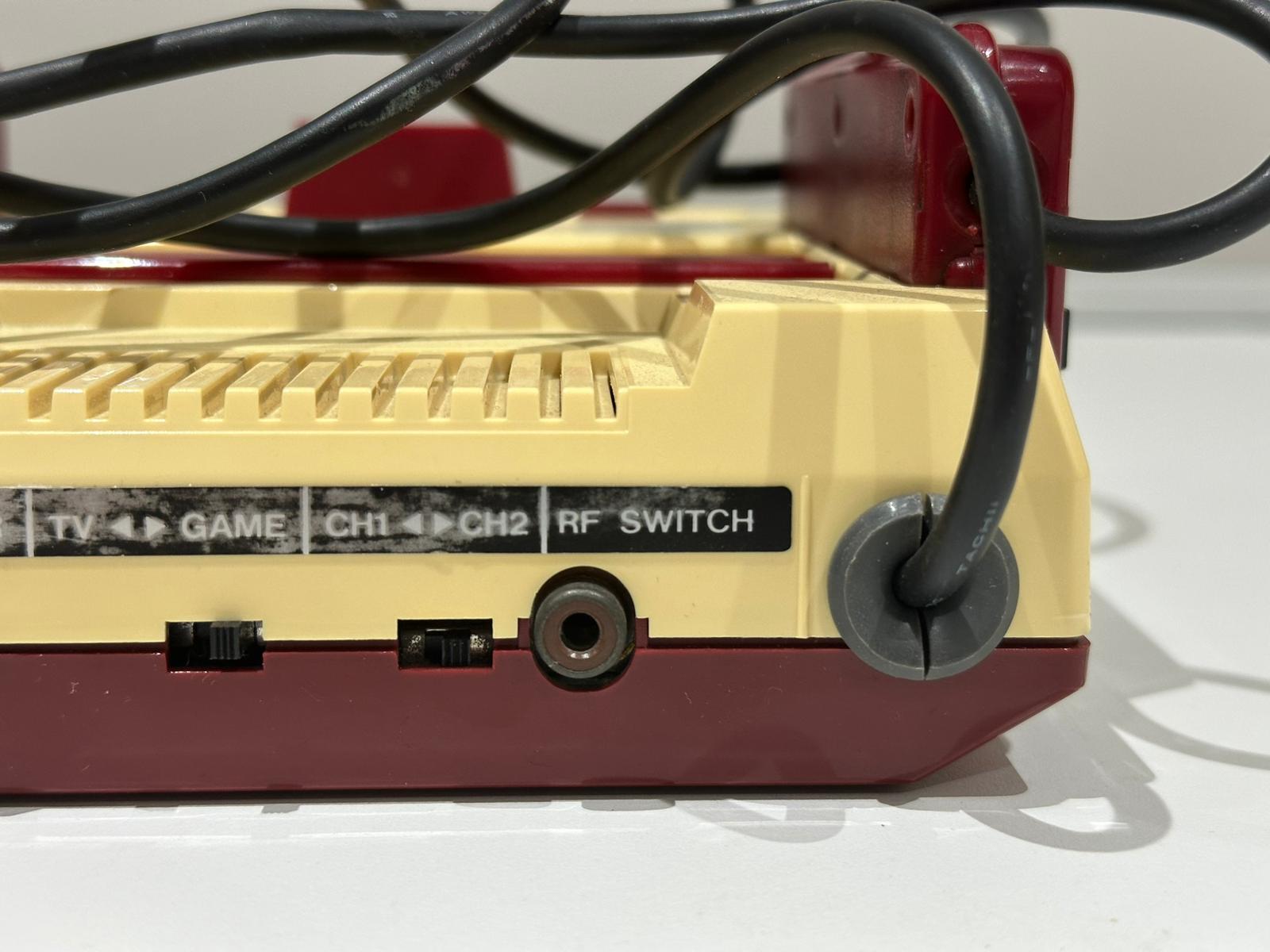
- ❖ Expansion: Expansion port for accessories
🎮 Top 10 Games
- ★ Super Mario Bros.
- ★ The Legend of Zelda
- ★ Metroid
- ★ Castlevania
- ★ Mega Man 2
- ★ Final Fantasy III (VI in North America)
- ★ Dragon Quest III
- ★ Kid Icarus
- ★ Punch-Out!!
- ★ Contra
💡 Curiosities
- ? Curiosity 1: The Famicom was originally going to be called the 'GameCom,' but Nintendo changed the name to Famicom (Family Computer) to sound more approachable.
- ? Curiosity 2: The Famicom's controllers were originally hardwired to the console. Detachable controllers were introduced later to address issues with broken cables.
- ? Curiosity 3: The Famicom's red and white color scheme was inspired by a scarf Nintendo president Hiroshi Yamauchi owned.
- ? Curiosity 4: The Famicom's cartridges were initially very expensive to produce, which contributed to the console's initial high price.
- ? Curiosity 5: The Famicom's sound chip was capable of producing surprisingly complex music, as demonstrated by many of its iconic soundtracks.
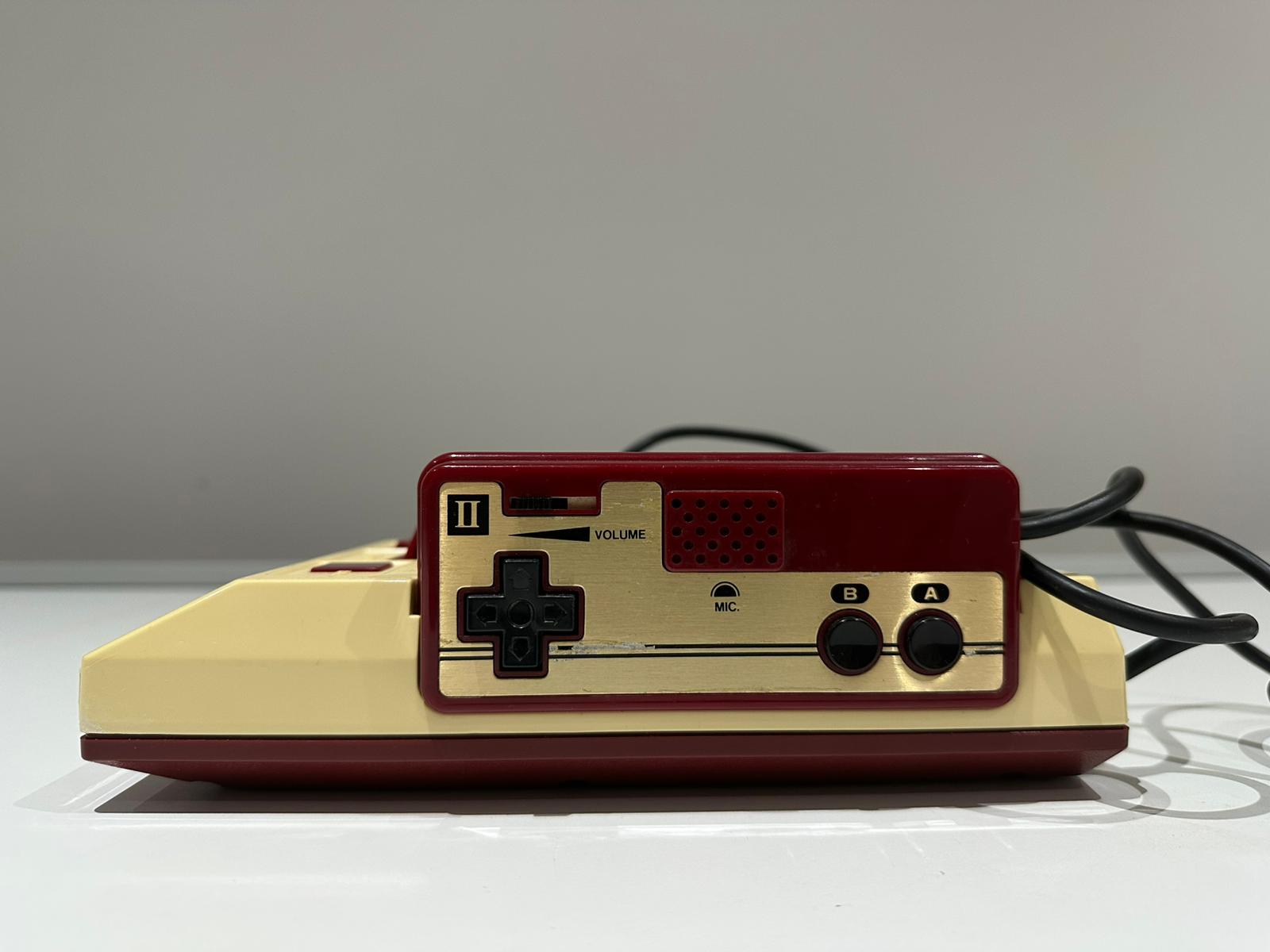
- ? Curiosity 6: The Famicom had a built-in microphone on the second controller, which was used in some games for special features (like karaoke!).
- ? Curiosity 7: The Famicom modem allowed users to access services like stock trading and game downloads, though it was not widely adopted.
- ? Curiosity 8: Nintendo initially struggled with quality control issues with Famicom cartridges, leading to some games being recalled.
- ? Curiosity 9: The Famicom's success in Japan was partially attributed to its affordable price compared to other home computers at the time.
- ? Curiosity 10: Several Famicom games were censored or altered for their release in North America as the NES.
📸 Gallery
.jpeg)
.jpeg)
.jpeg)
.jpeg)
.jpeg)
.jpeg)
.jpeg)
.jpeg)
.jpeg)
.jpeg)
.jpeg)
.jpeg)
.jpeg)
.jpeg)
.jpeg)
.jpeg)
.jpeg)
.jpeg)
.jpeg)
.jpeg)
.jpeg)
.jpeg)
.jpeg)
.jpeg)
.jpeg)