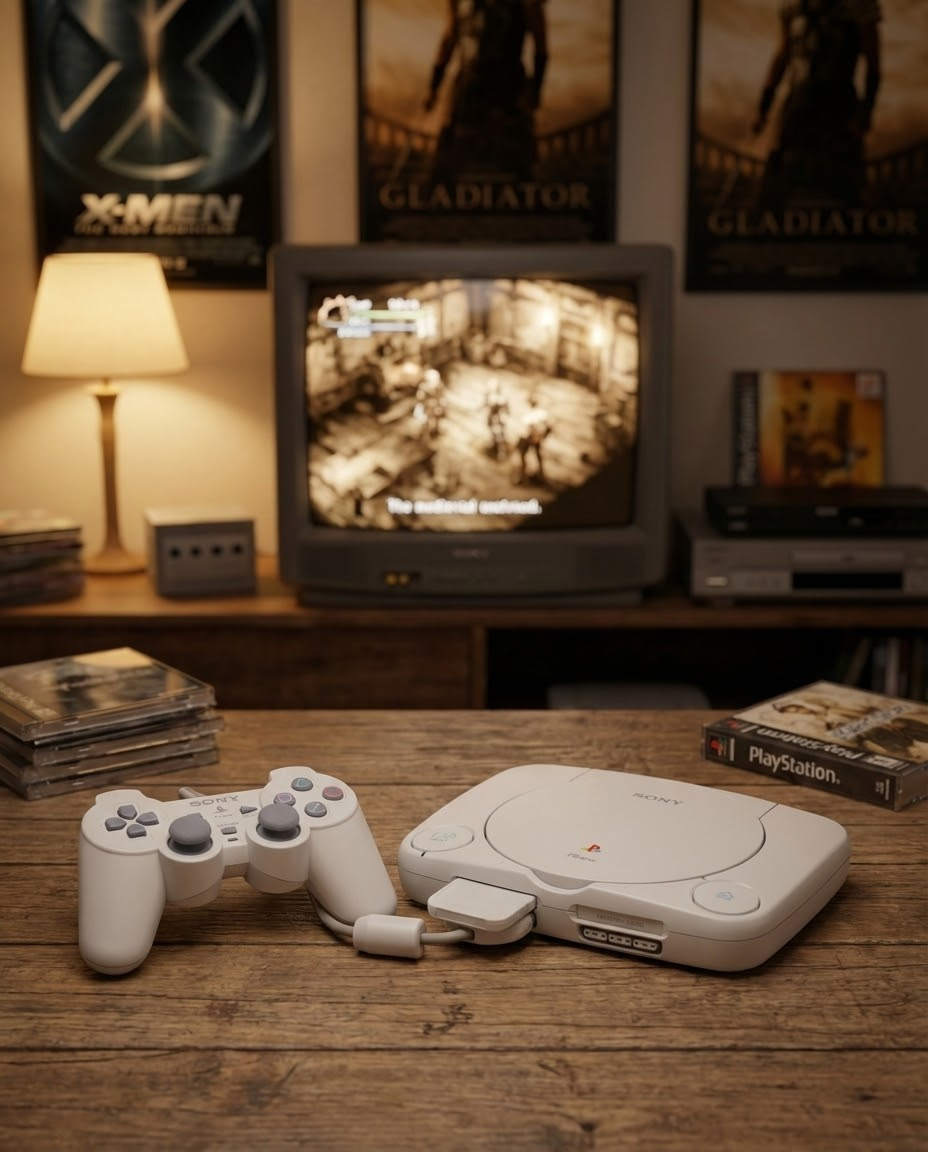
The PSone, released in 2000, was a redesign of the original PlayStation console, boasting a smaller form factor and a lower price point. It represented a strategic move by Sony to maintain its dominance in the gaming market as the next generation of consoles began to emerge. The PSone wasn't just a cosmetic refresh; it also included a redesigned user interface and, importantly, maintained complete compatibility with the vast library of original PlayStation games.
The PSone's success can be attributed to several factors. Its affordability made it an attractive option for new gamers and those who had missed out on the initial PlayStation craze. The continued support for existing games meant that consumers had access to a massive catalog of titles from day one. Furthermore, the PSone benefited from Sony's strong marketing and distribution networks. Its impact was substantial, prolonging the life of the original PlayStation architecture and solidifying Sony's position as a leading force in the video game industry. The PSone represents a pivotal moment in gaming history, demonstrating the power of iterative design and strategic pricing.
Ultimately, the PSone served as a bridge between console generations, offering a budget-friendly entry point into the world of 32-bit gaming while the industry shifted towards more advanced hardware. Its legacy is one of accessibility, affordability, and continued relevance in the face of technological advancement. It proved that a well-designed and strategically priced console could thrive even as newer, more powerful systems entered the market.
2000
SONY
PSONE
📜 History & Legacy
⚙️ Specifications
- ❖ CPU: 33.8688 MHz MIPS R3000A-compatible processor
- ❖ GPU: Custom GPU with 3D geometry engine
- ❖ RAM: 2 MB
- ❖ Storage: CD-ROM
- ❖ Media: CD-ROM
🎮 Top 10 Games
- ★ Final Fantasy VII
- ★ Metal Gear Solid
- ★ Tekken 3
- ★ Gran Turismo 2
- ★ Crash Bandicoot 3: Warped
- ★ Spyro the Dragon
- ★ Resident Evil 2
- ★ Silent Hill
- ★ Castlevania: Symphony of the Night
- ★ Chrono Cross
💡 Curiosities
- ? Curiosity 1: The **PSone** was significantly smaller than the original **PlayStation**.
- ? Curiosity 2: **Sony** released the **PSone** at a lower price point than the original **PlayStation**.
- ? Curiosity 3: The **PSone** had a redesigned user interface compared to the original model.
- ? Curiosity 4: It maintained full compatibility with all original **PlayStation** games.
- ? Curiosity 5: The **PSone** was released towards the end of the **PlayStation's** lifecycle.
- ? Curiosity 6: **Sony** continued to produce and sell the **PSone** even after the **PlayStation 2** was released.
- ? Curiosity 7: The **PSone** featured a more rounded design compared to the original's angular look.
- ? Curiosity 8: An LCD screen could be attached to the **PSone** for portable gaming.
- ? Curiosity 9: The **PSone** was marketed as a budget-friendly alternative to newer consoles.
- ? Curiosity 10: Its success demonstrated the appeal of a smaller, cheaper version of a popular console.