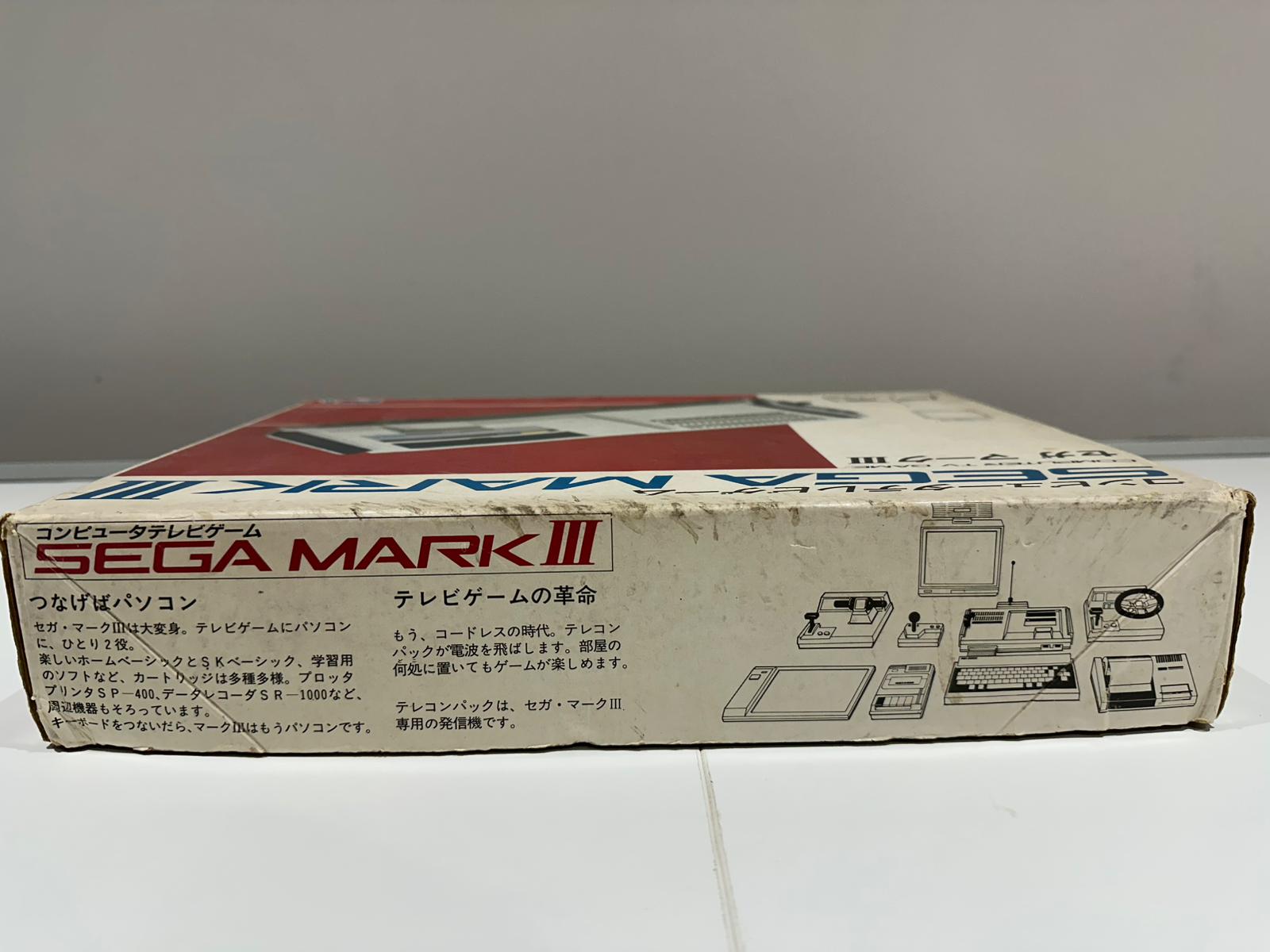
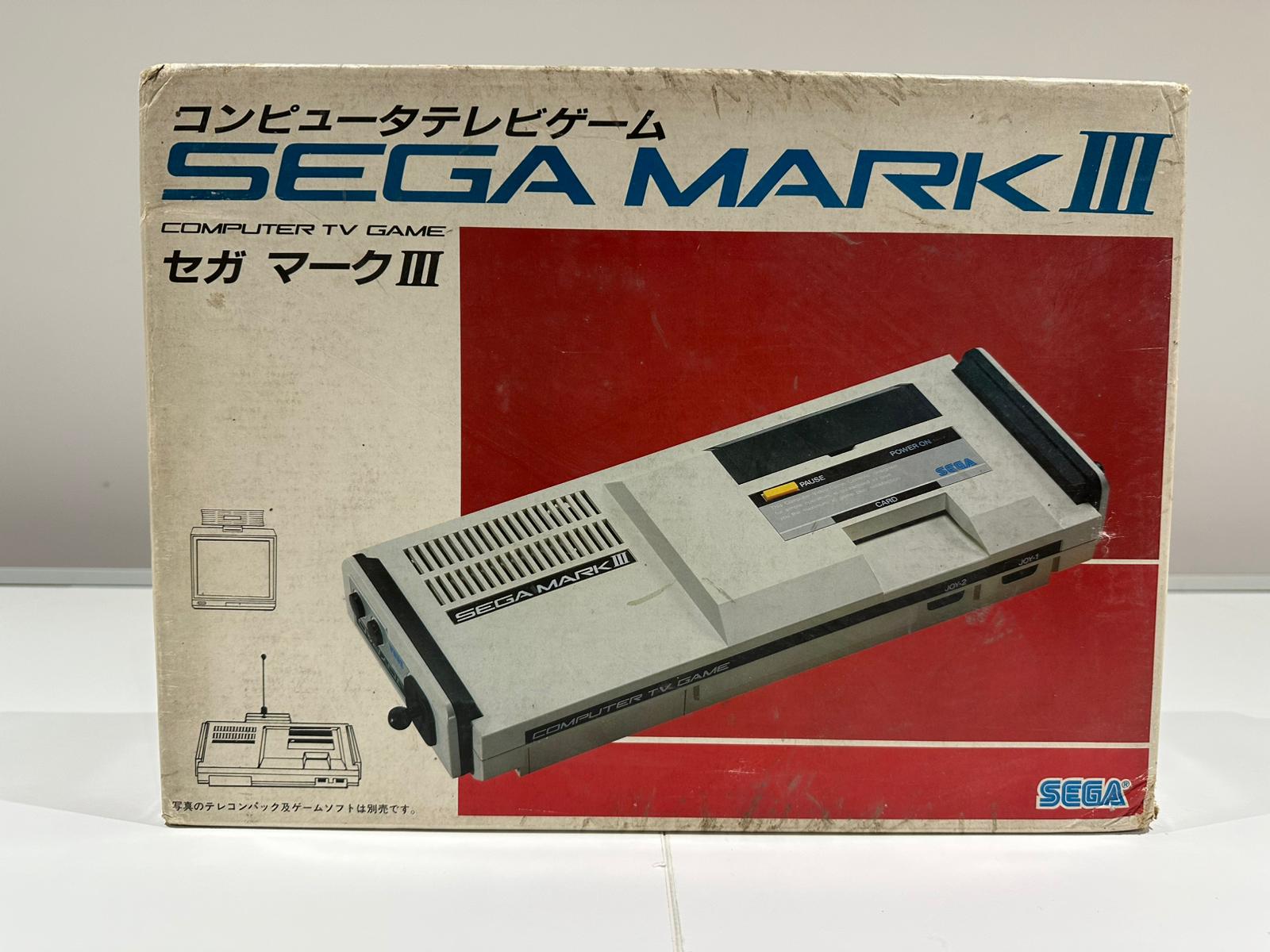
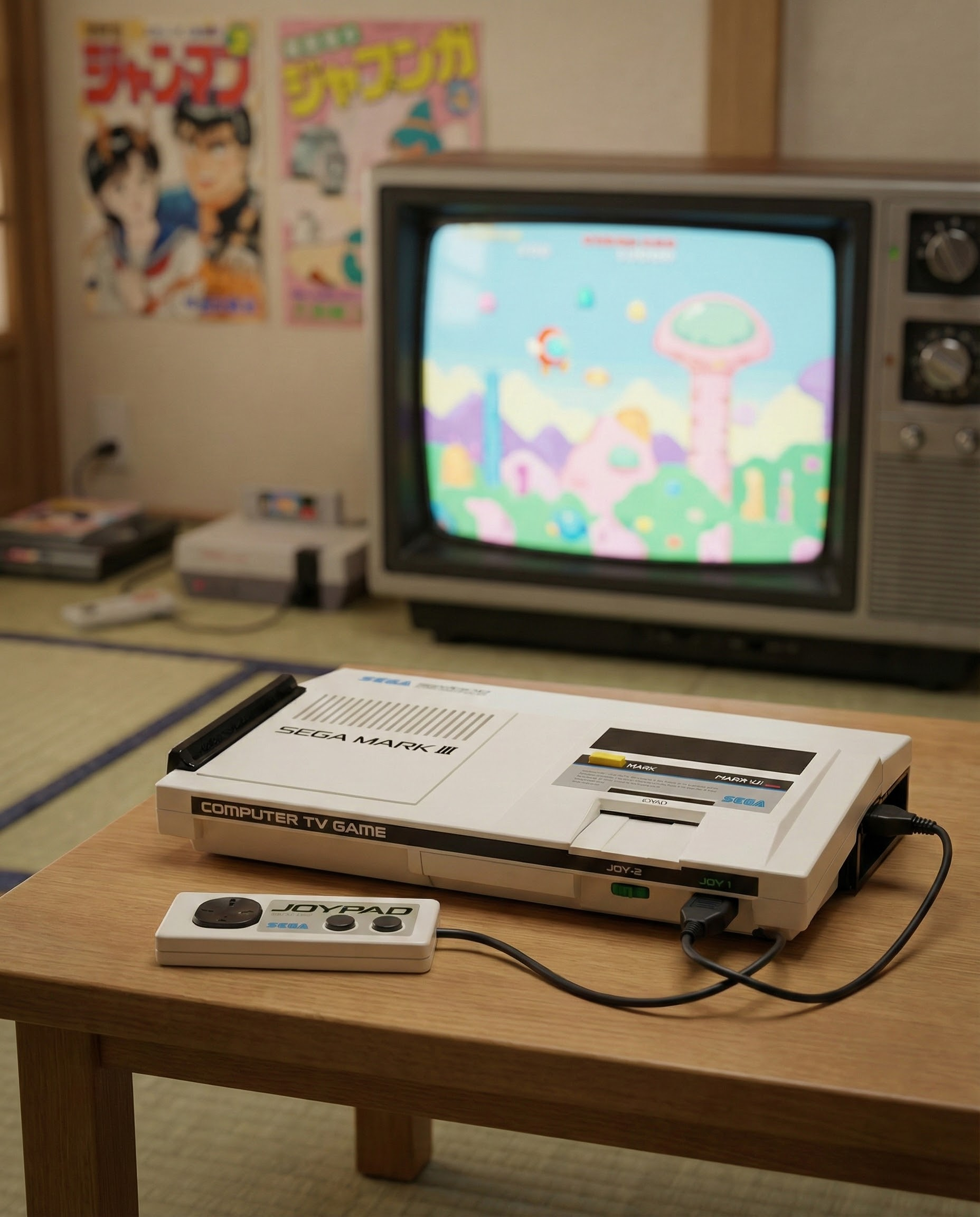
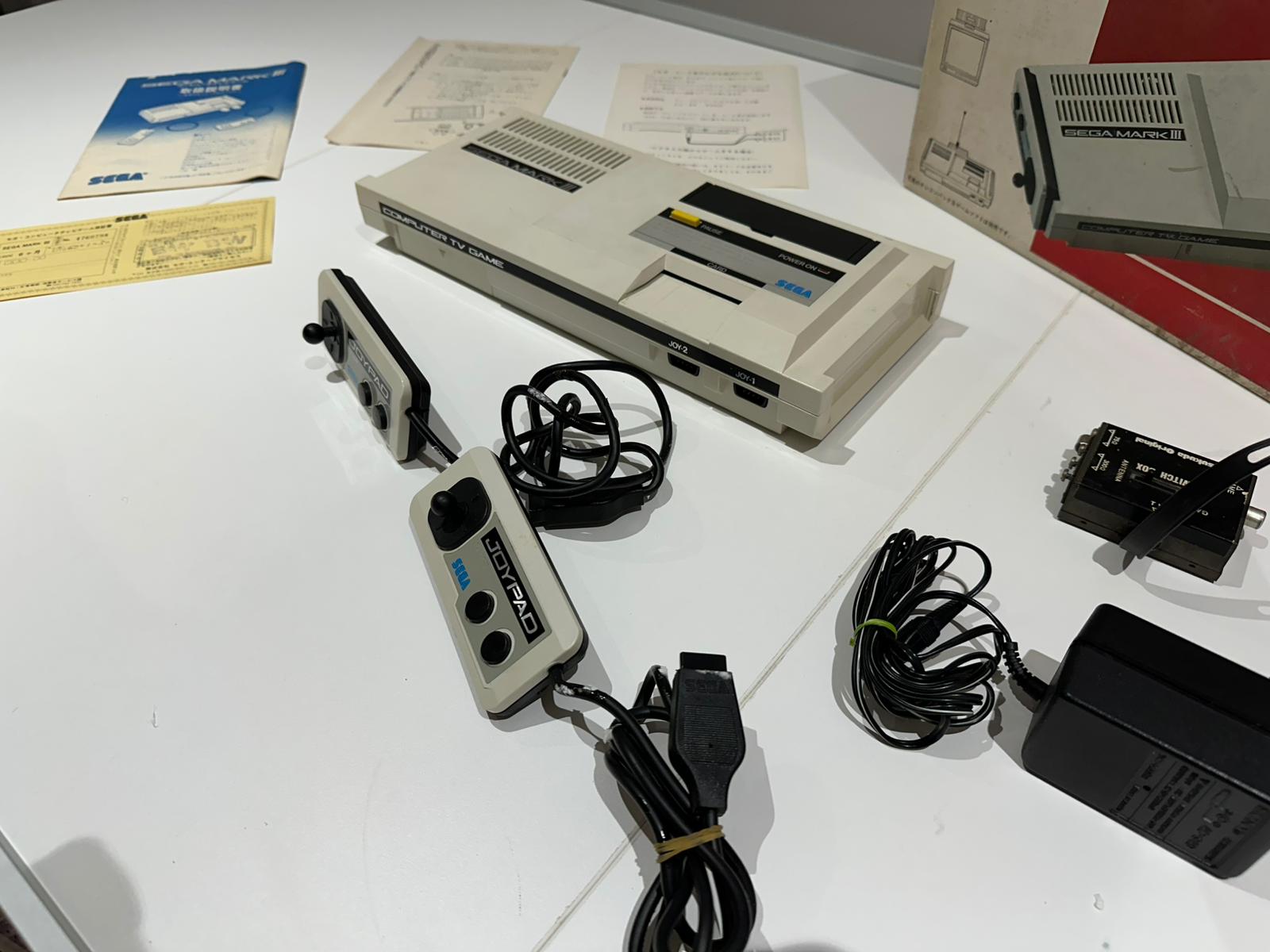
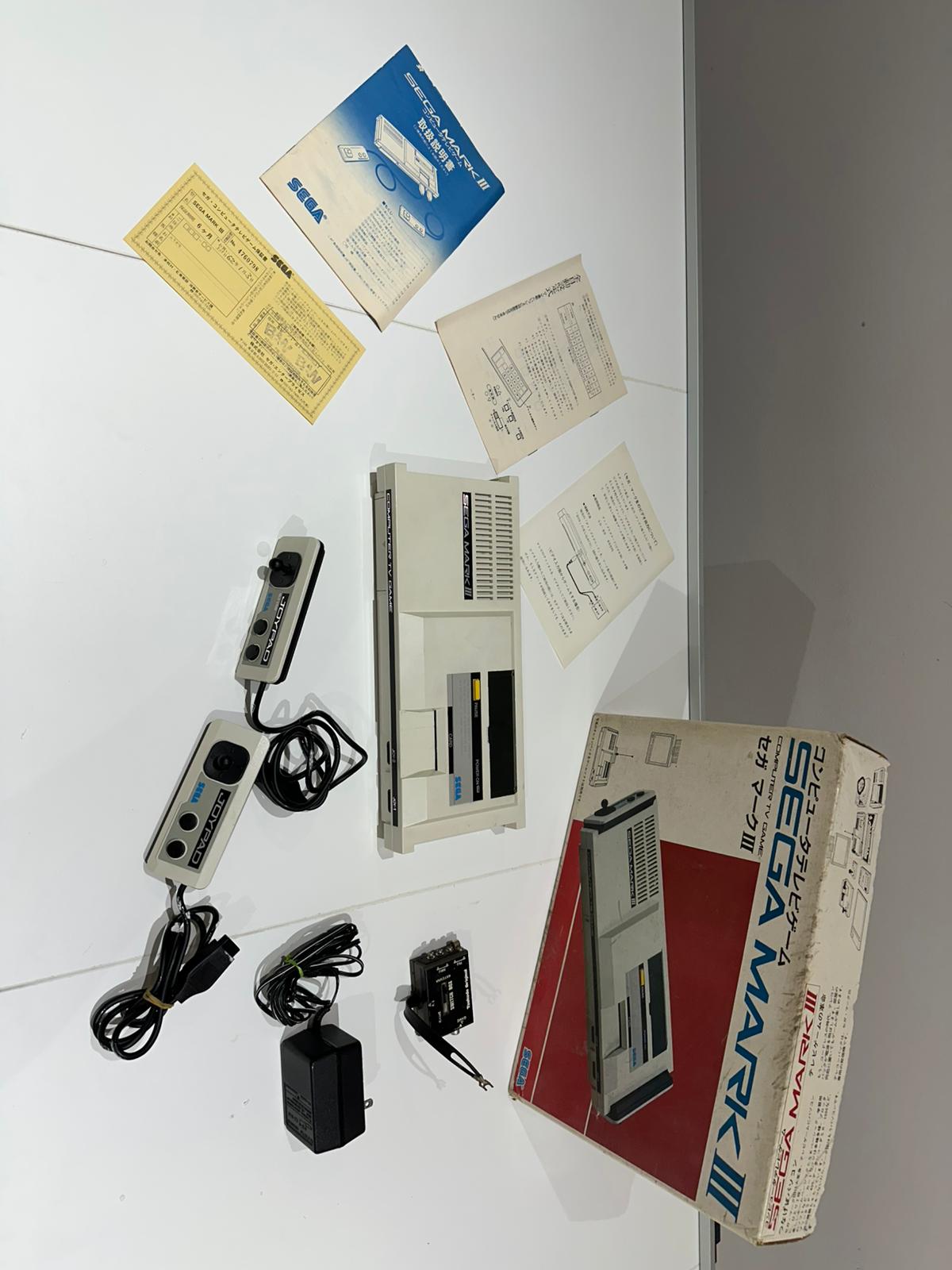
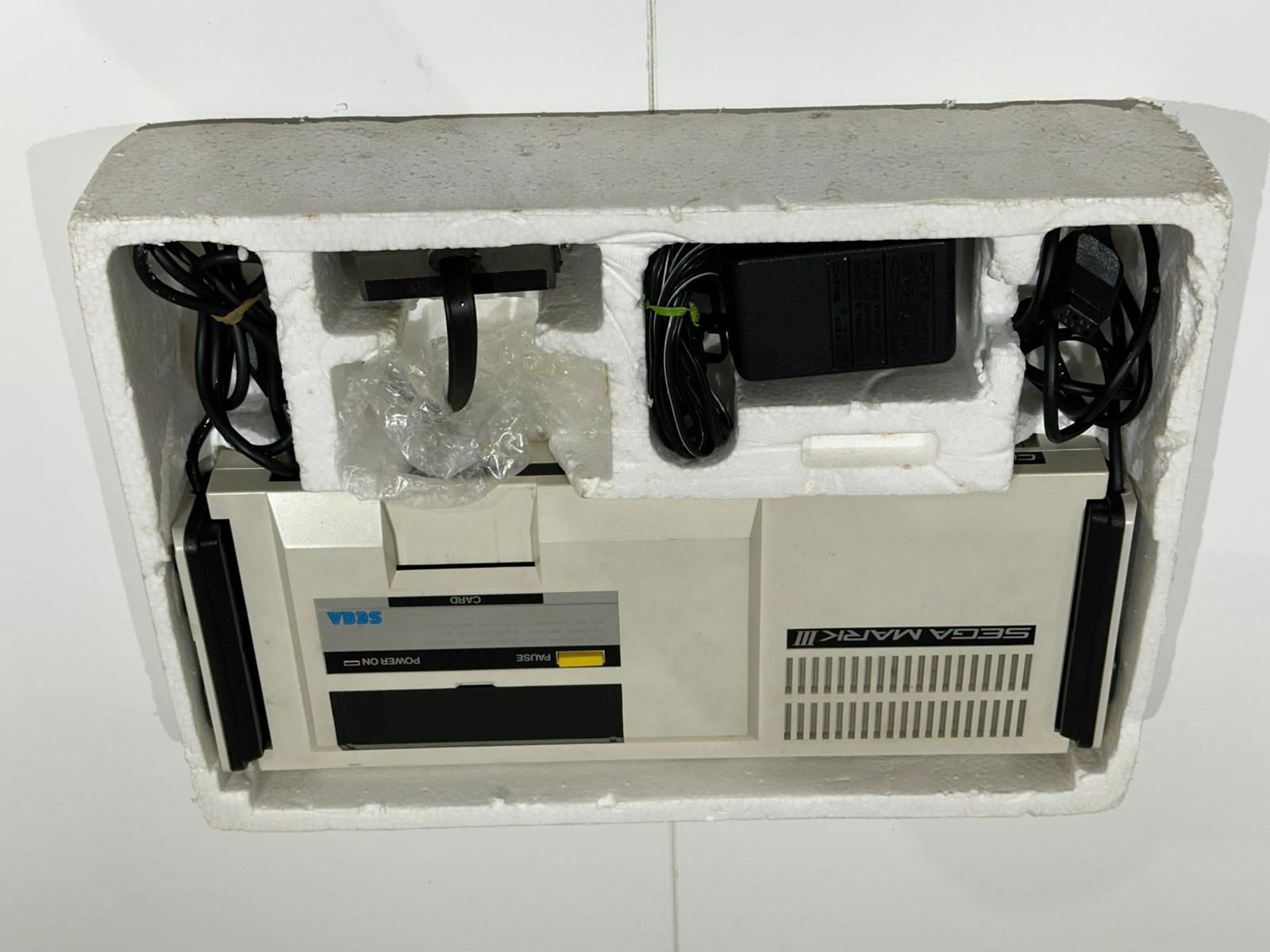
The SG-1000 Mark III, released by SEGA in 1985, represented a significant upgrade over its predecessor, the SG-1000. This console aimed to compete more effectively with the Nintendo Famicom and offered enhanced graphics and sound capabilities. While it didn't achieve widespread success in all markets, the Mark III laid crucial groundwork for SEGA's future dominance in the console industry. It demonstrated SEGA's commitment to innovation and their willingness to iterate rapidly on their hardware designs.
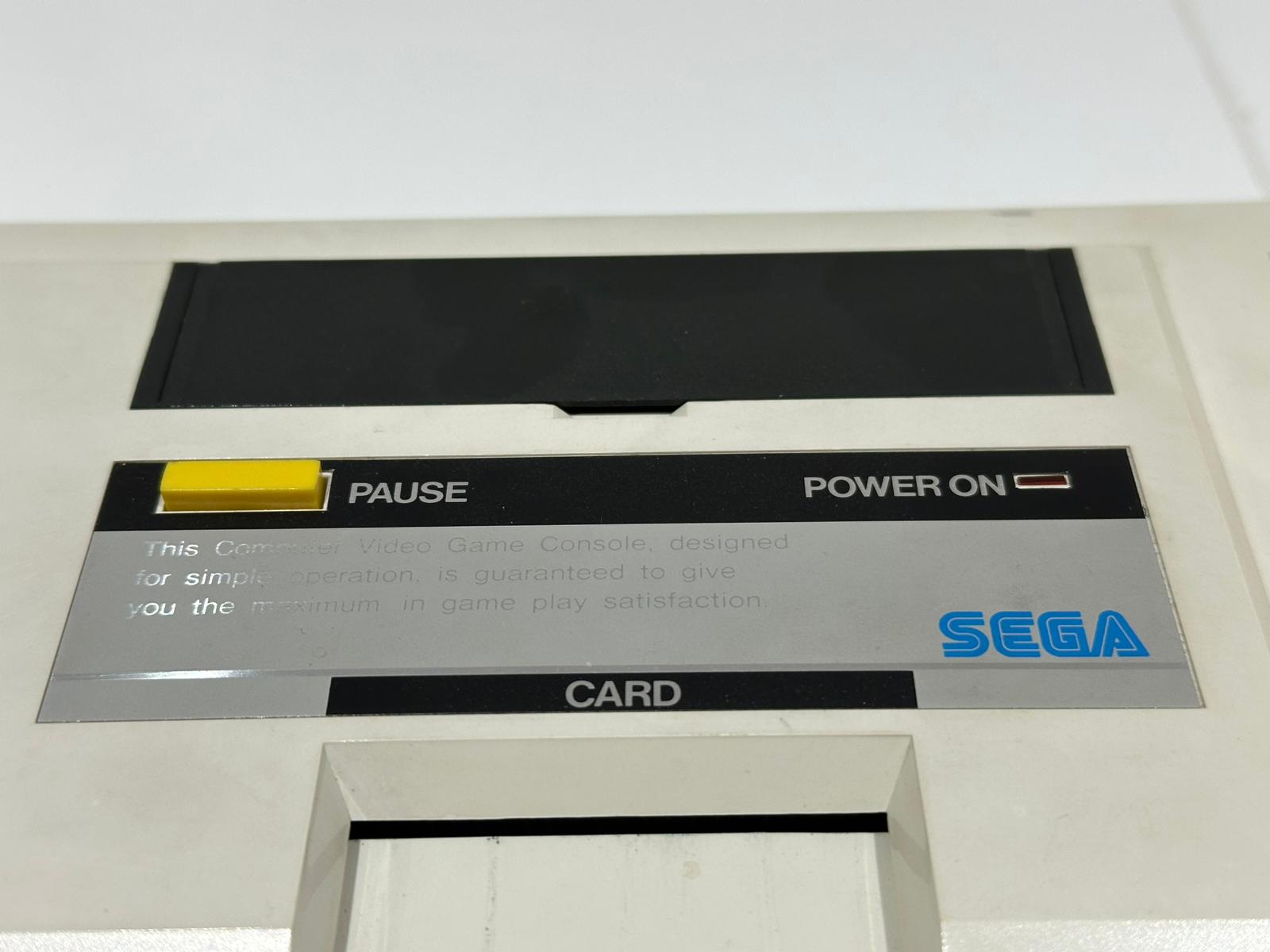
The SG-1000 Mark III featured improved hardware, allowing for more complex and visually appealing games. Crucially, it had compatibility with the SEGA Card format as well as cartridges. This offered a wider range of software options and enabled SEGA to experiment with different game distribution models. The console's lifespan was relatively short, as it was soon superseded by the SEGA Master System, but the Mark III is still regarded as an important stepping stone in SEGA's console history, showcasing their dedication to entering the home console market and challenging the established players.
1985
SEGA
SG-1000 MARK III
📜 History & Legacy
⚙️ Specifications
- ❖ CPU: Zilog Z80A @ 3.58 MHz
- ❖ GPU: Texas Instruments TMS9918A
- ❖ RAM: 16 KB
- ❖ Video RAM: 16 KB
- ❖ Storage: Cartridge, SEGA Card
- ❖ Sound: Texas Instruments SN76489
- ❖ Resolution: 256 x 192 pixels
- ❖ Colors: 16 colors
🎮 Top 10 Games
- ★ Alex Kidd: The Lost Stars
- ★ Fantasy Zone II: The Tears of Opa-Opa
- ★ Flicky
- ★ Golvellius: Valley of Doom
- ★ Wonder Boy
- ★ Penguin Land
- ★ Out Run
- ★ Space Harrier
- ★ Teddy Boy Blues
- ★ TransBot
🎥 Video Review
💡 Curiosities
- ? Did you know? The SG-1000 Mark III was known as the **SEGA Master System** outside of Japan.
- ? The Mark III had improved graphical capabilities compared to the original SG-1000.
- ? The console could play both cartridges and **SEGA Cards**.
- ? The **Texas Instruments TMS9918A** GPU was also used in other systems like the ColecoVision.
- ? The console's design was slightly different depending on the region.
- ? The SG-1000 Mark III's successor, the **SEGA Master System**, retained compatibility with many of its games.
- ? The console was released in 1985, the same year as the **Nintendo Entertainment System** in North America.
- ? The SG-1000 Mark III had a built-in RF modulator for connecting to older televisions.
- ? The **Zilog Z80** CPU was a popular choice for many 8-bit computers and consoles of the era.
- ? The console's relatively short lifespan made it a rare and sought-after item for collectors.
📸 Gallery
.jpeg)
.jpeg)
.jpeg)
.jpeg)
.jpeg)
.jpeg)
.jpeg)
.jpeg)
.jpeg)
.jpeg)
.jpeg)
.jpeg)
.jpeg)
.jpeg)
.jpeg)
.jpeg)
.jpeg)
.jpeg)
.jpeg)
.jpeg)
.jpeg)
.jpeg)
.jpeg)
.jpeg)
.jpeg)
.jpeg)
.jpeg)
.jpeg)
.jpeg)