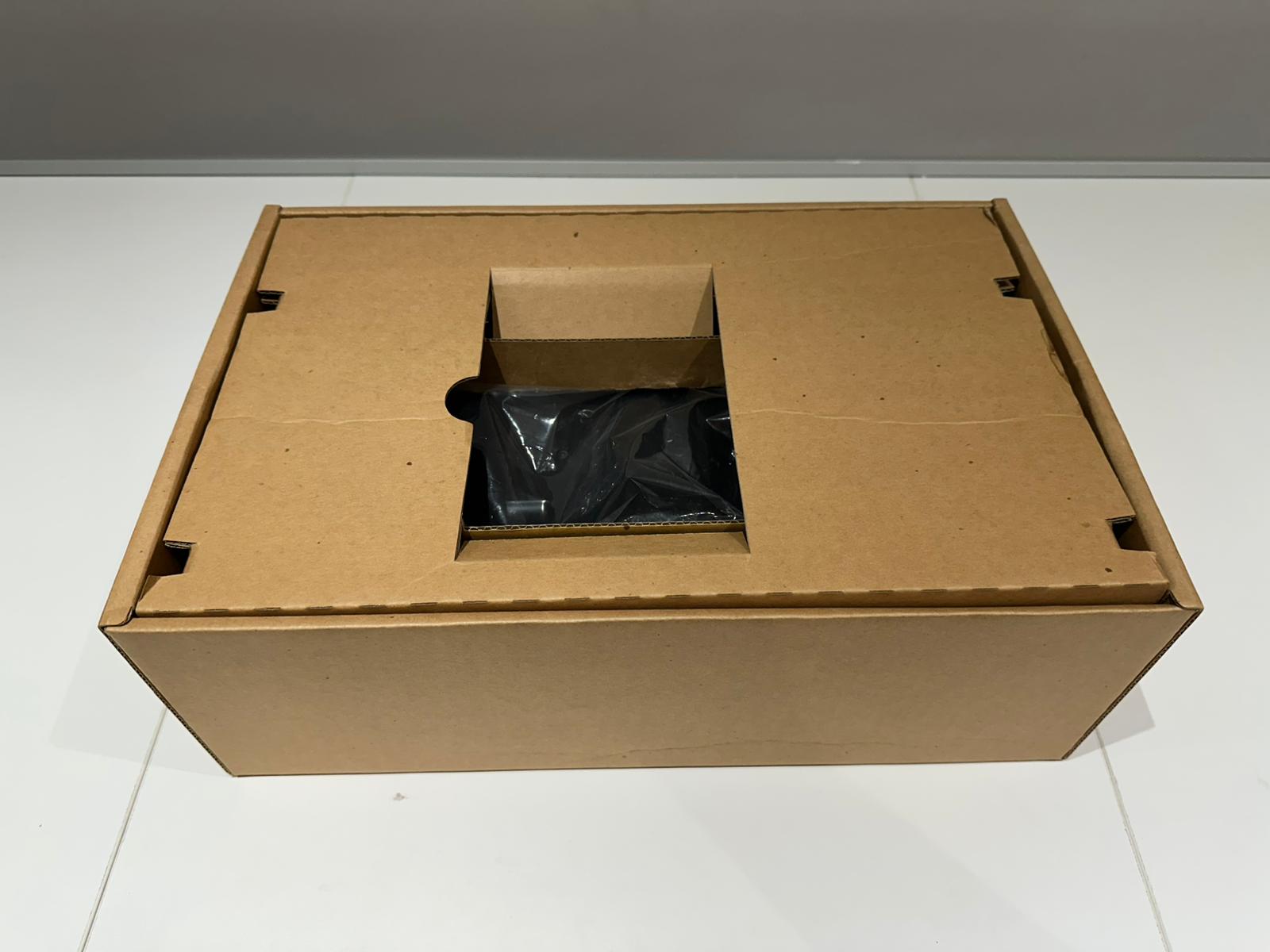
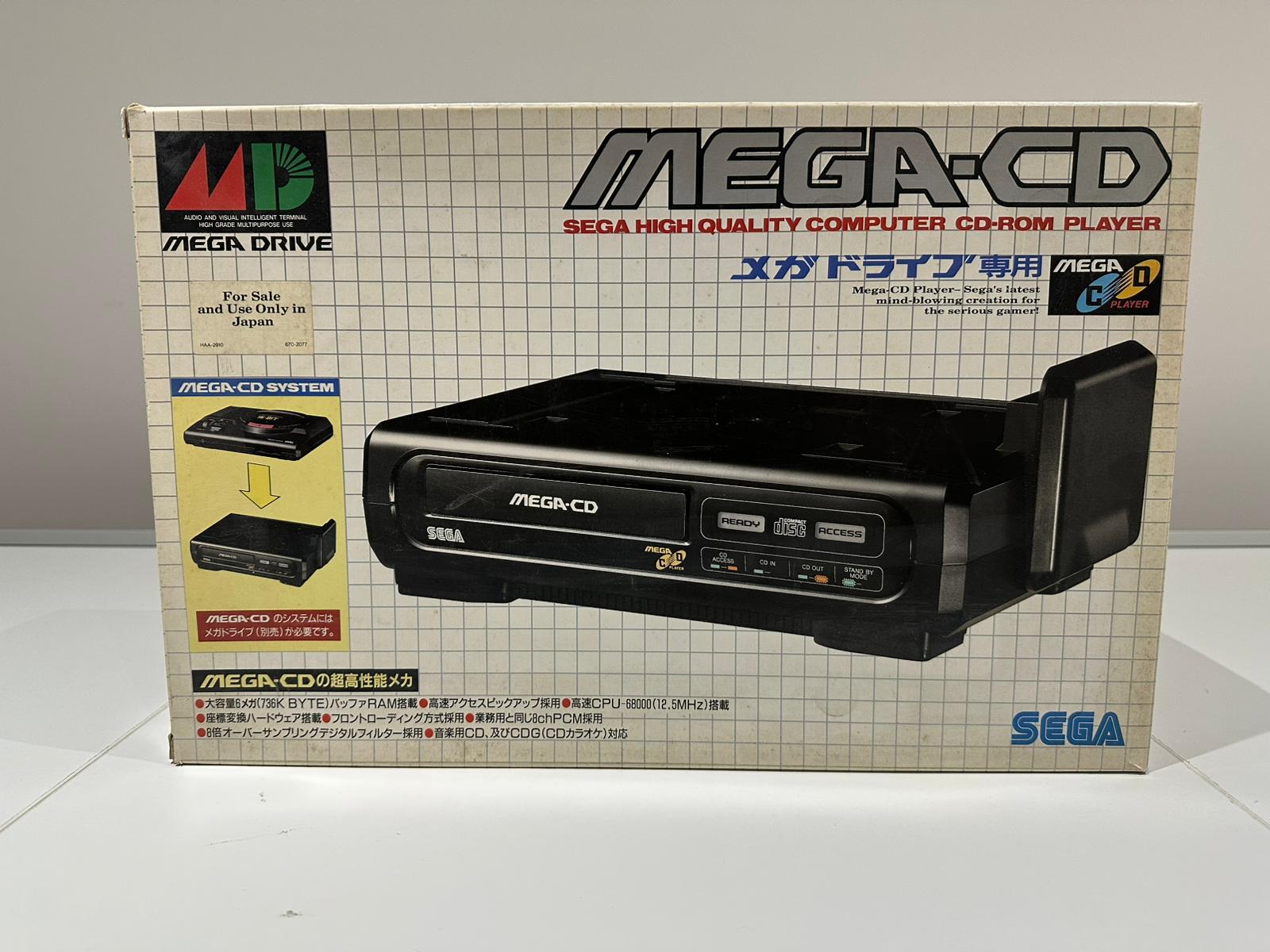
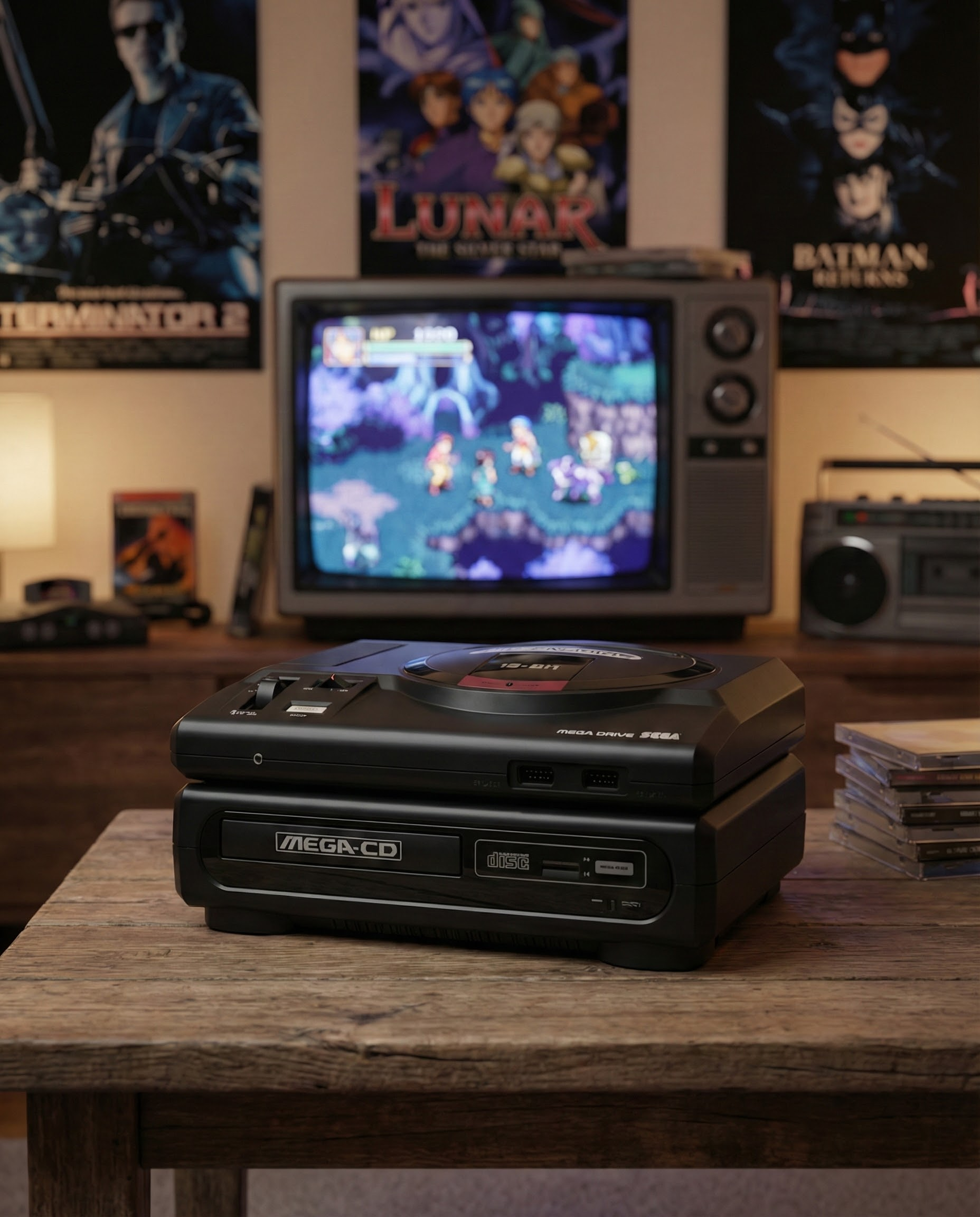
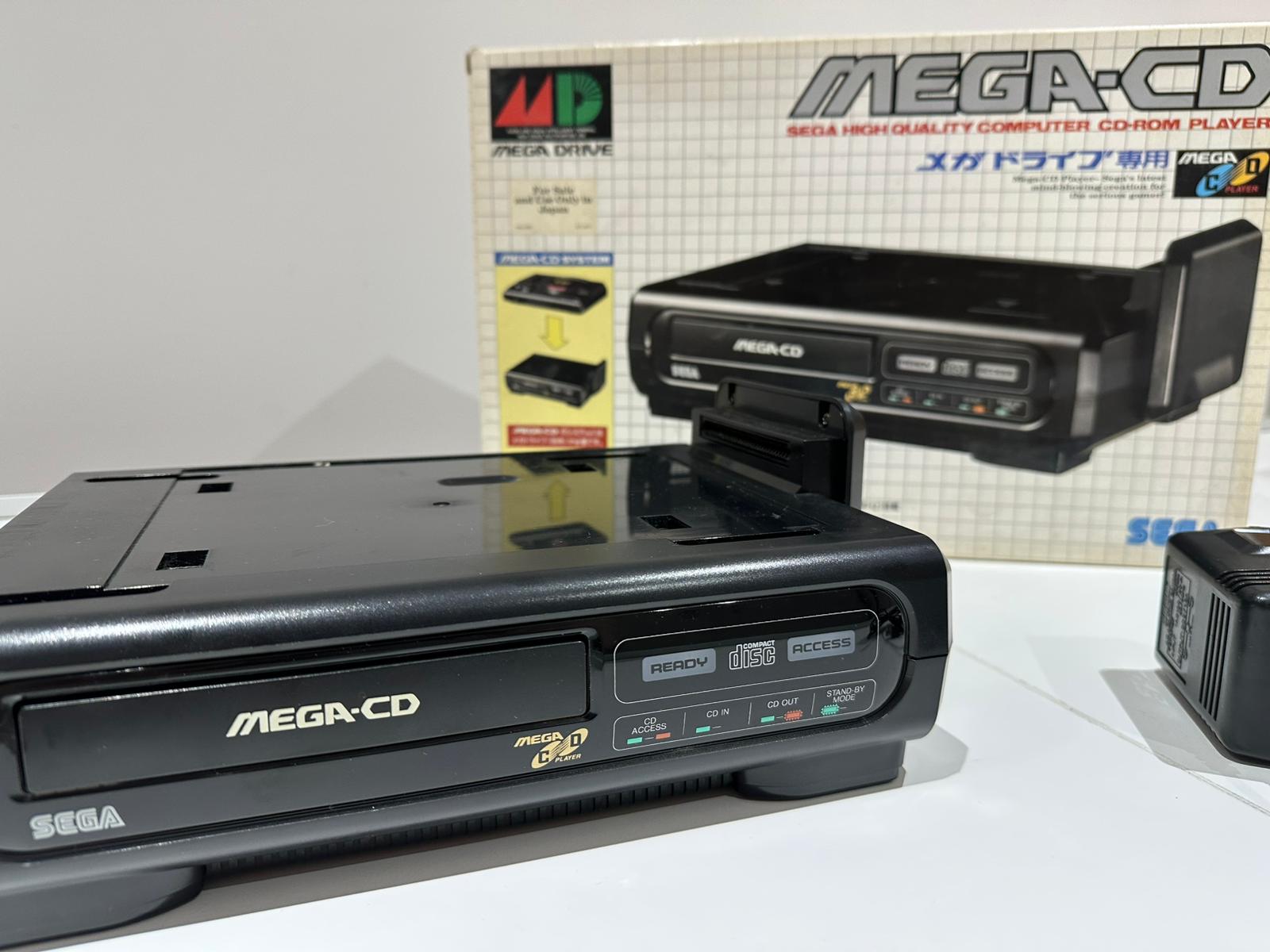
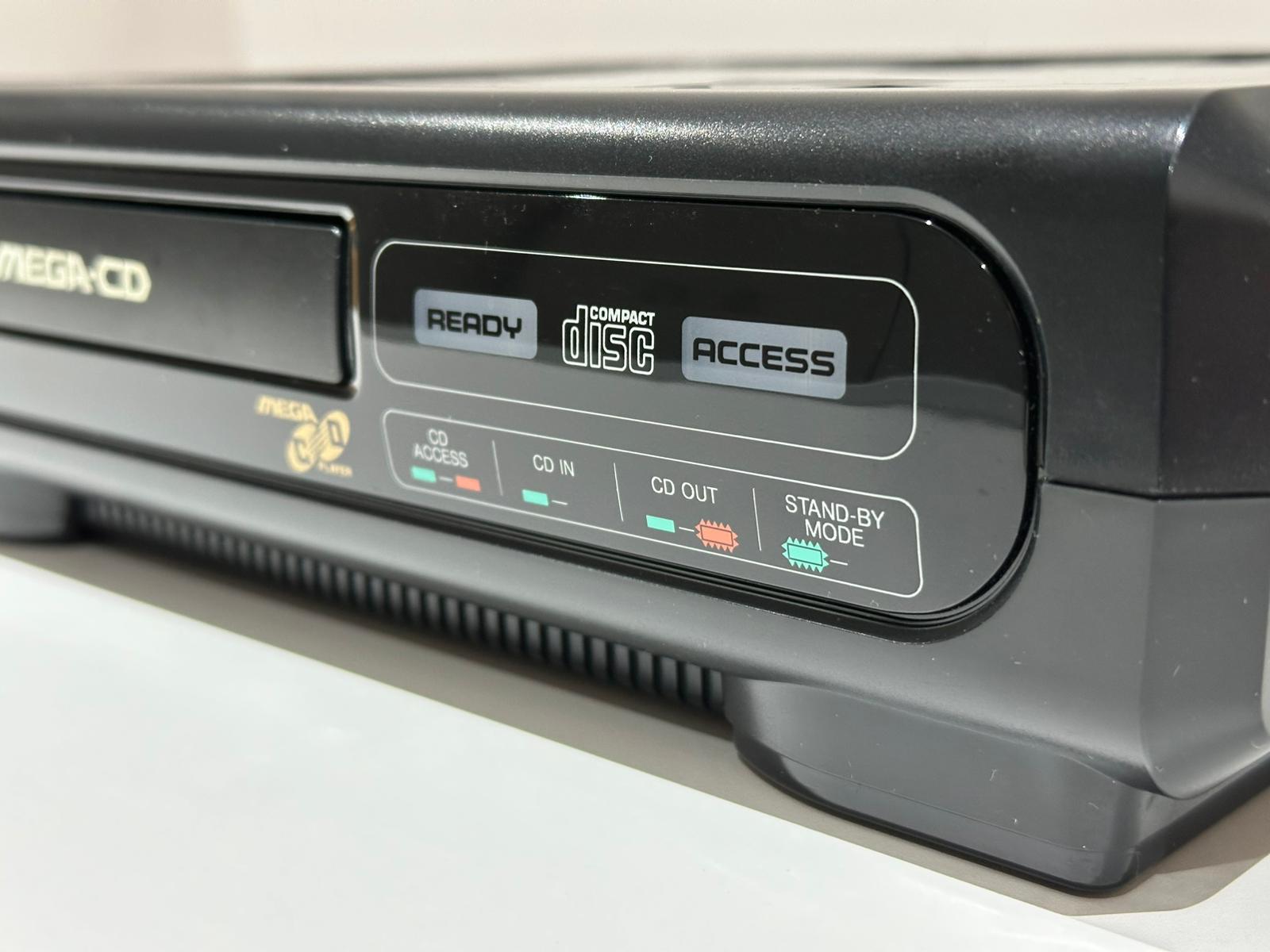
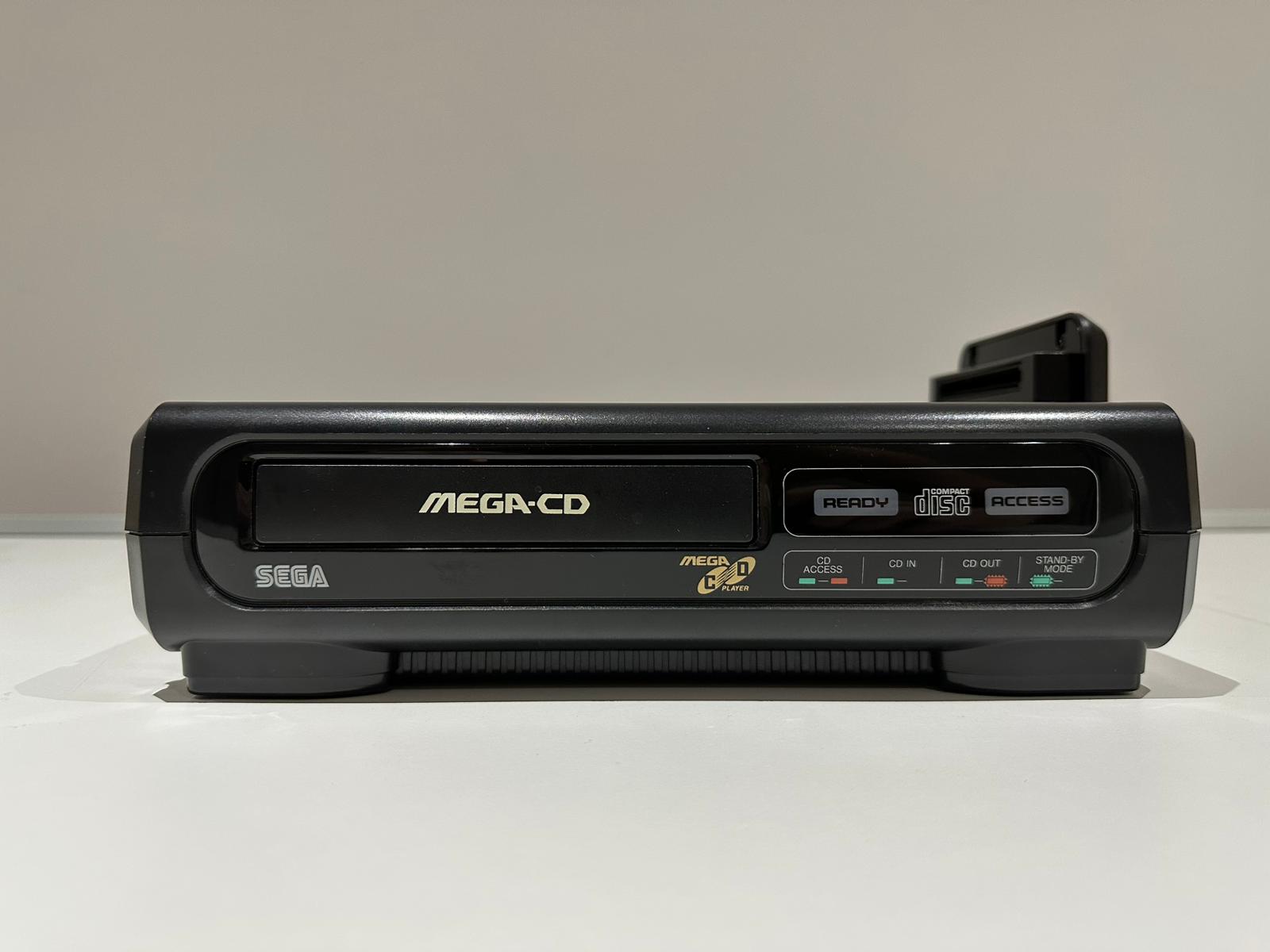
The Sega Mega-CD, known as the Sega CD in North America, was a CD-ROM add-on for the Sega Mega Drive/Genesis console, released in Japan in 1991 and in North America and Europe in 1992 and 1993, respectively. It aimed to enhance the capabilities of the existing 16-bit system by adding full-motion video, CD-quality audio, and increased storage capacity. Sega positioned the Mega-CD as a way to extend the lifespan of the Mega Drive/Genesis and offer experiences that were not possible with cartridge-based games alone. Despite its innovative features, the Mega-CD faced several challenges, including a high price point, a limited library of compelling games, and competition from other consoles entering the market.
While the Mega-CD did introduce some memorable titles and technical advancements, it ultimately failed to achieve widespread success. Its complex integration with the Mega Drive/Genesis, combined with relatively slow CD-ROM loading times and mixed reception to its game library, contributed to its short lifespan. The system is now remembered as an interesting experiment in console add-ons and a stepping stone towards the next generation of gaming. Its legacy lives on through the emulation scene and the enduring interest of retro gaming enthusiasts who appreciate its unique approach to gaming technology.
1991
SEGA
MEGA CD
📜 History & Legacy
⚙️ Specifications
- ❖ CPU: Motorola 68000 @ 12.5 MHz
- ❖ RAM: 6 Mbit (768 KB) total (512 KB program RAM, 128 KB sound RAM, 128 KB CD-ROM cache)
- ❖ Sound Chip: Ricoh RF5C164 PCM sound chip + Yamaha YM2612 FM synthesizer (inherited from Mega Drive/Genesis)
- ❖ CD-ROM Drive: Single-speed CD-ROM drive
- ❖ Resolution: 320x224 pixels
- ❖ Colors: 512 colors (from a palette of 65,536)
- ❖ Media: CD-ROM
🎮 Top 10 Games
- ★ Sonic CD
- ★ Snatcher
- ★ Lunar: The Silver Star
- ★ Lunar: Eternal Blue
- ★ Shining Force CD
- ★ Popful Mail
- ★ Final Fight CD
- ★ Road Avenger
- ★ Eternal Champions: Challenge from the Dark Side
- ★ Keio Flying Squadron
🎥 Video Review
💡 Curiosities
- ? The North American version was called the Sega CD, while in Japan and Europe, it was known as the Mega-CD.
- ? The Mega-CD could be stacked with the Sega 32X, creating a rather unwieldy tower of gaming hardware.
- ? Some games used full-motion video (FMV) extensively, often resulting in gameplay that felt more like an interactive movie than a traditional game.
- ? The Mega-CD's launch price was relatively high, contributing to its slow adoption rate.
- ? The system utilized a custom ASIC (Application-Specific Integrated Circuit) to handle CD-ROM data and audio processing.
- ? Sega produced a second model of the Mega-CD, known as the Mega-CD 2, which was smaller and more streamlined in design.
- ? The Mega-CD offered enhanced audio capabilities compared to the Mega Drive/Genesis, allowing for CD-quality music and voice acting.
- ? Some games, like *Sonic CD*, featured different soundtracks depending on the region.
- ? The system was region-locked, meaning that games from one region would not work on consoles from another region without modification.
- ? Despite its commercial failure, the Mega-CD is considered a cult classic by many retro gaming enthusiasts.
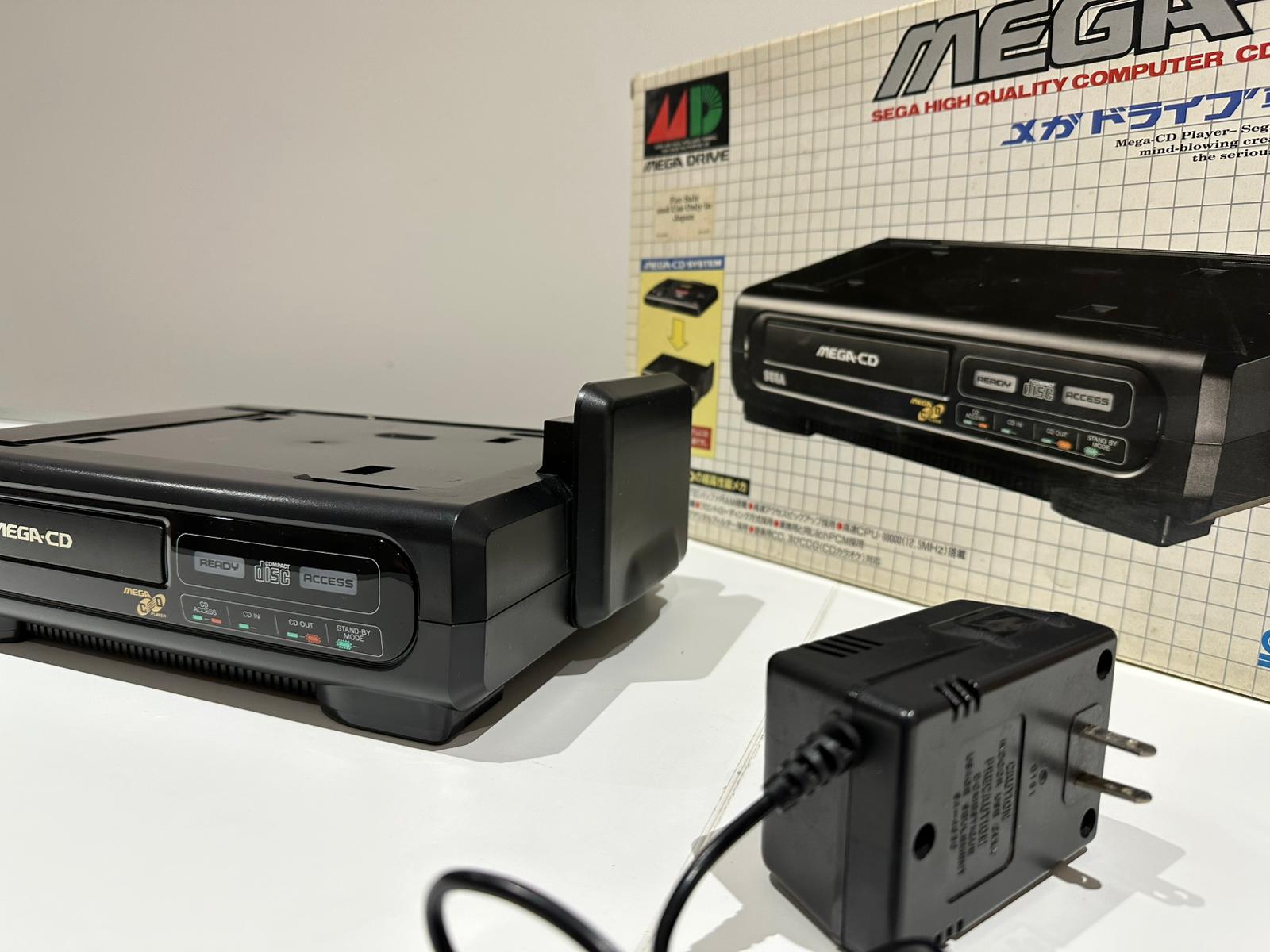
📸 Gallery
.jpeg)
.jpeg)
.jpeg)
.jpeg)
.jpeg)
.jpeg)
.jpeg)
.jpeg)
.jpeg)
.jpeg)
.jpeg)
.jpeg)
.jpeg)
.jpeg)
.jpeg)
.jpeg)
.jpeg)
.jpeg)