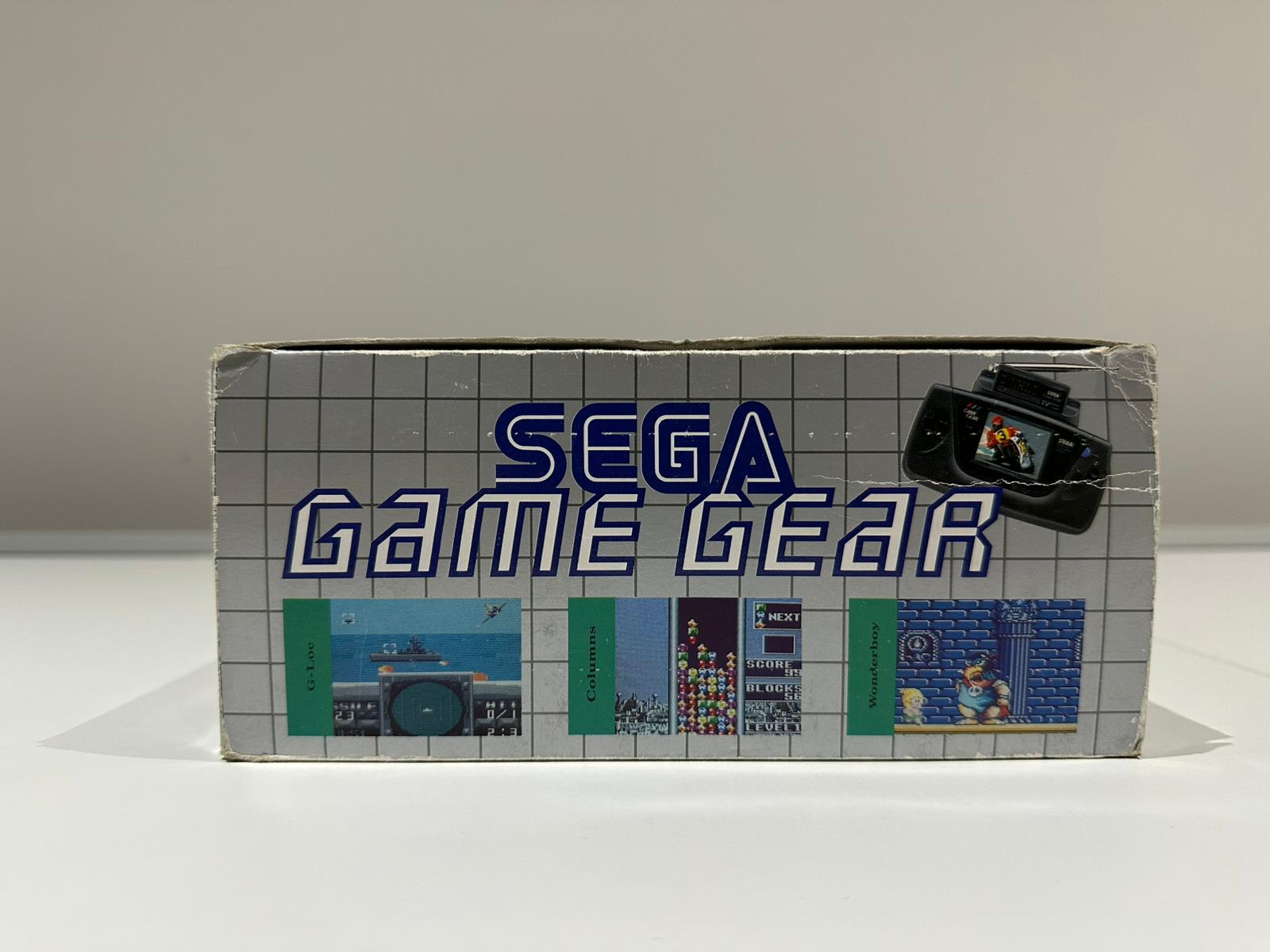
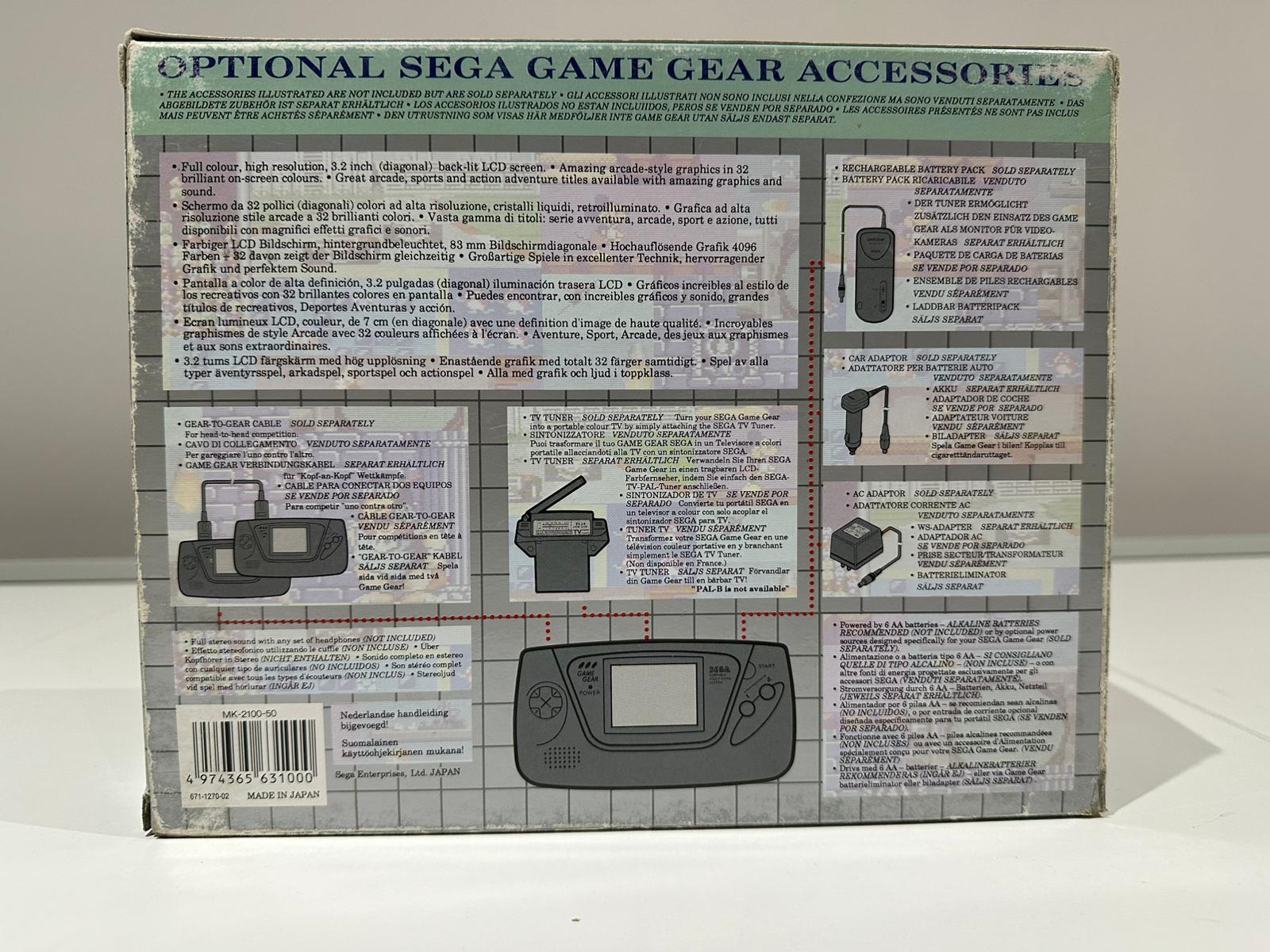
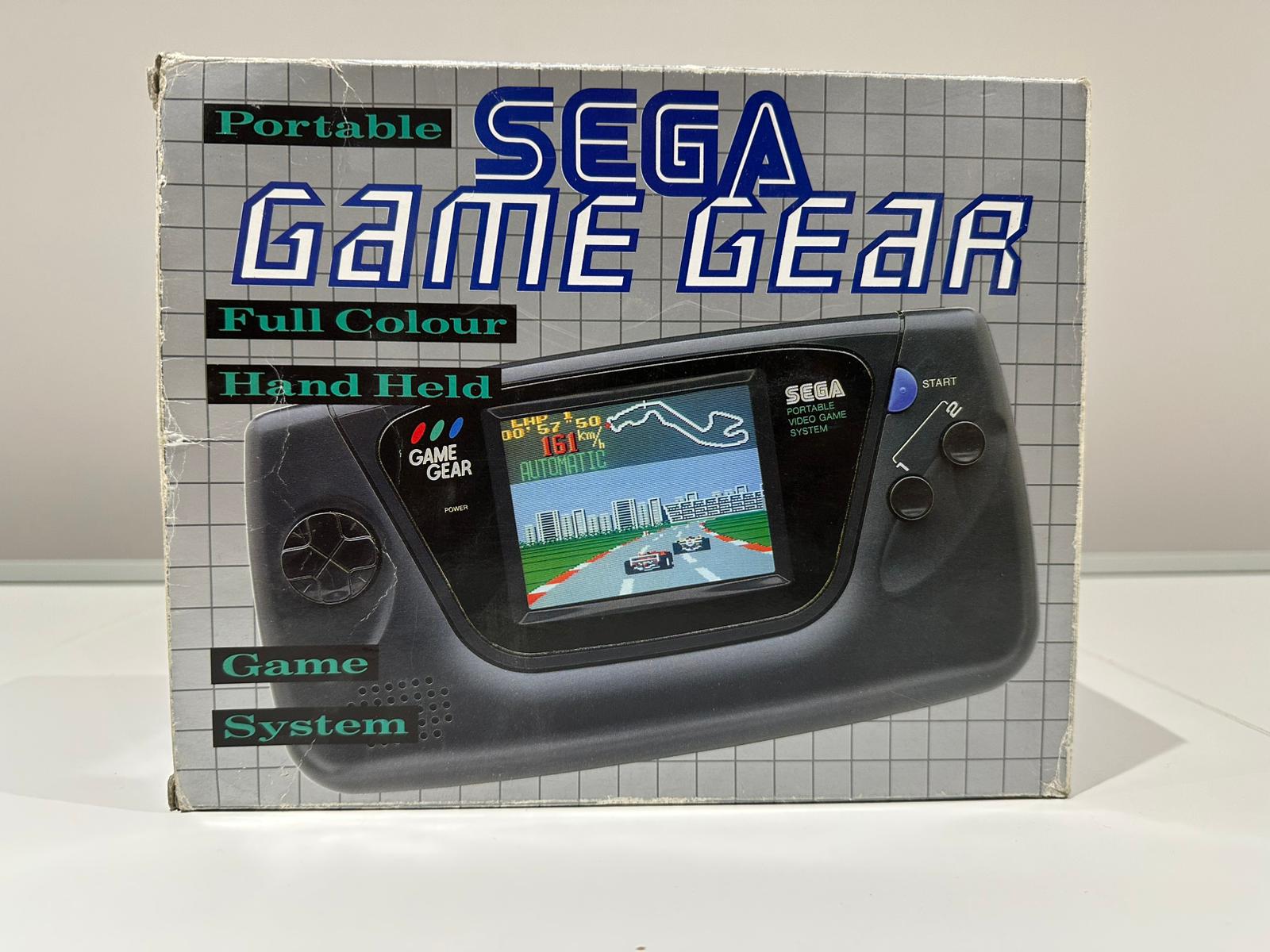
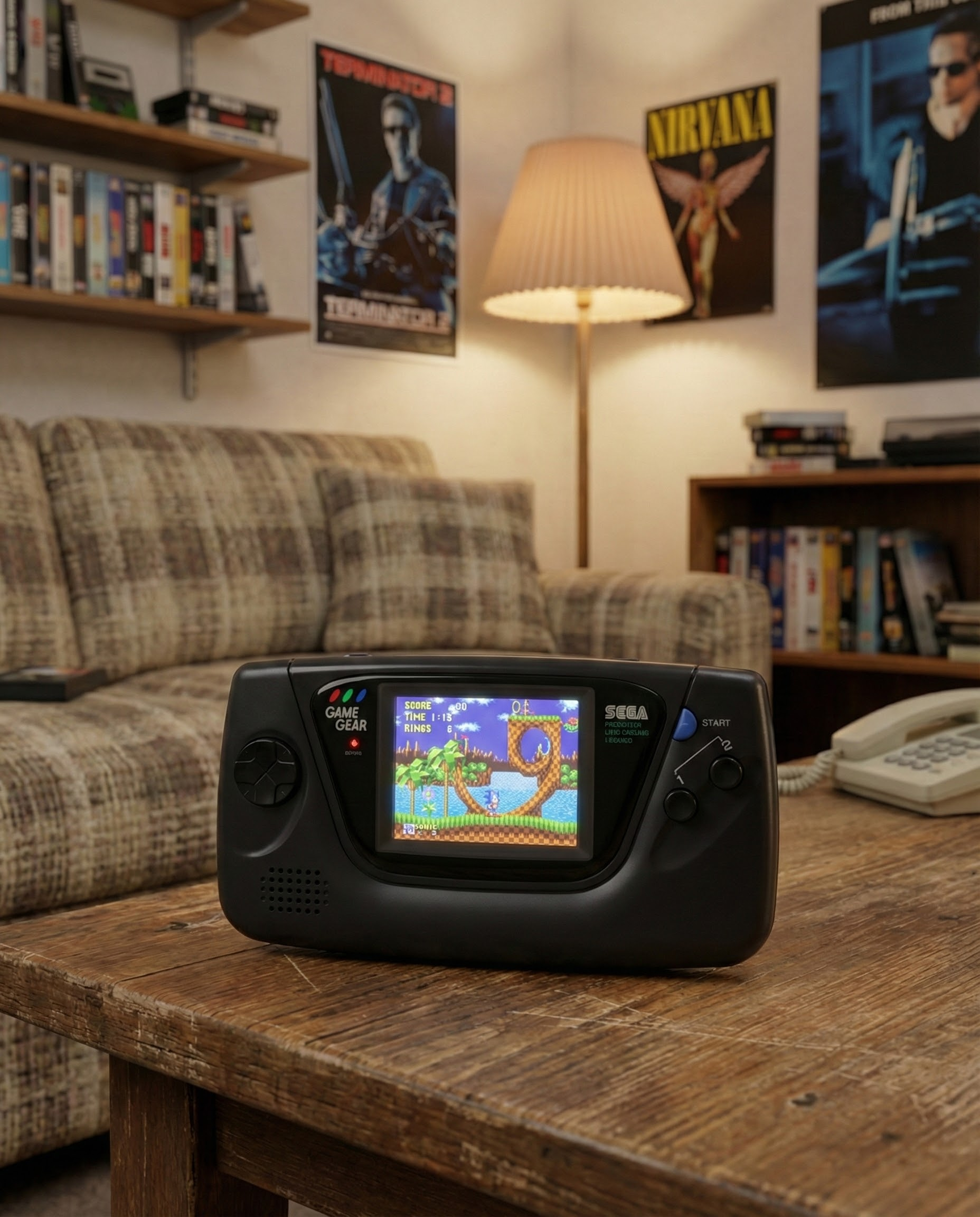
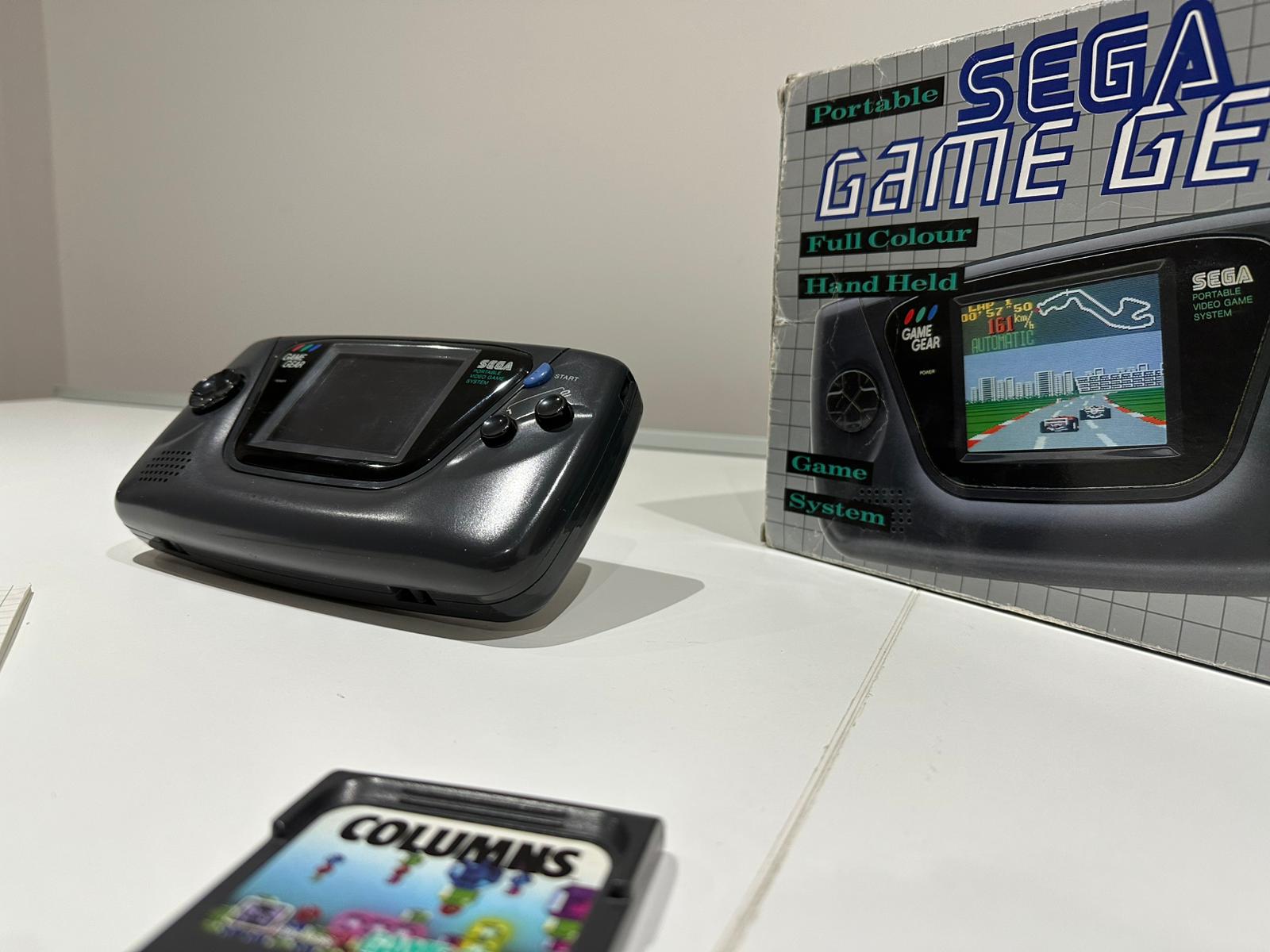
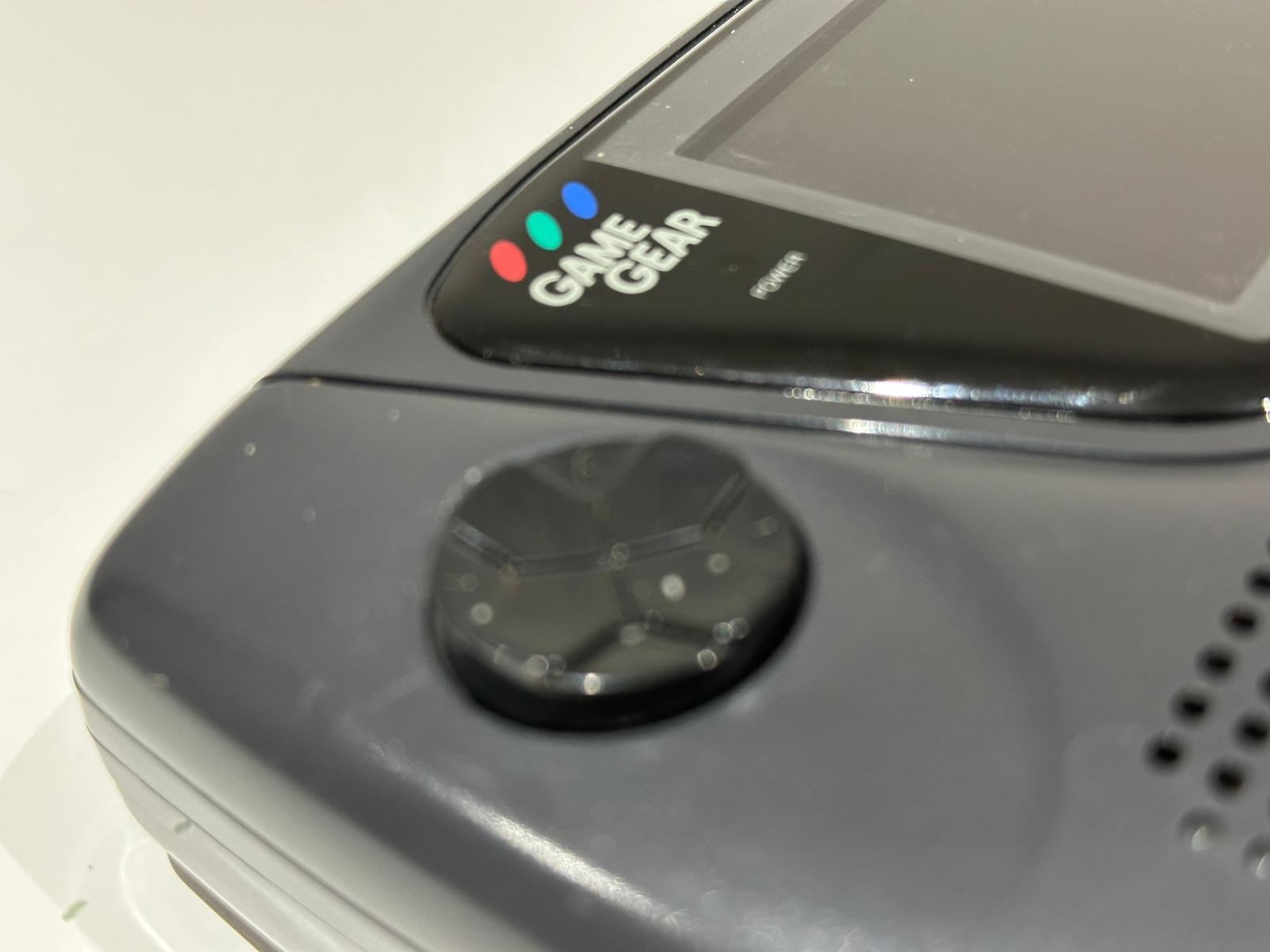
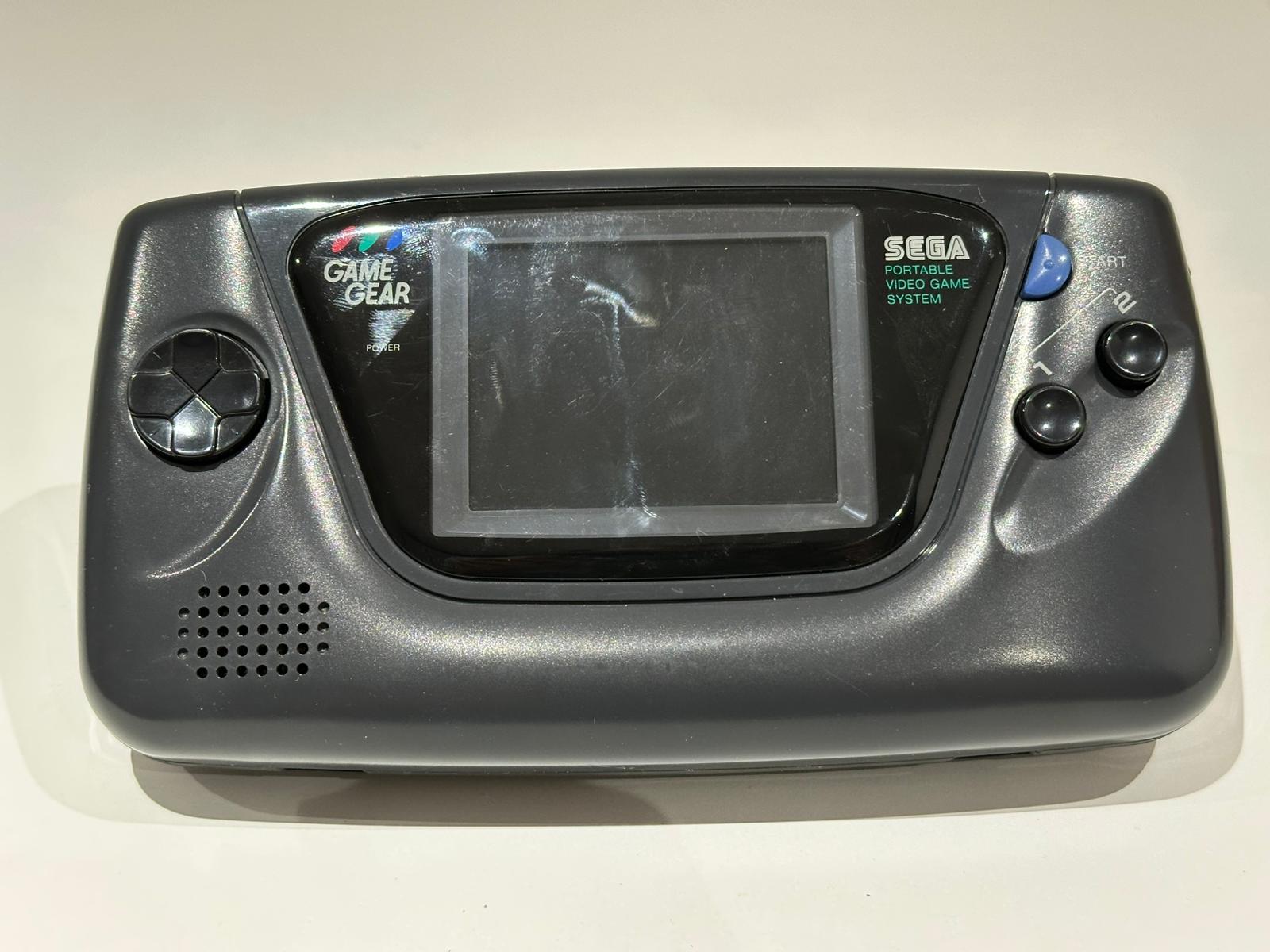
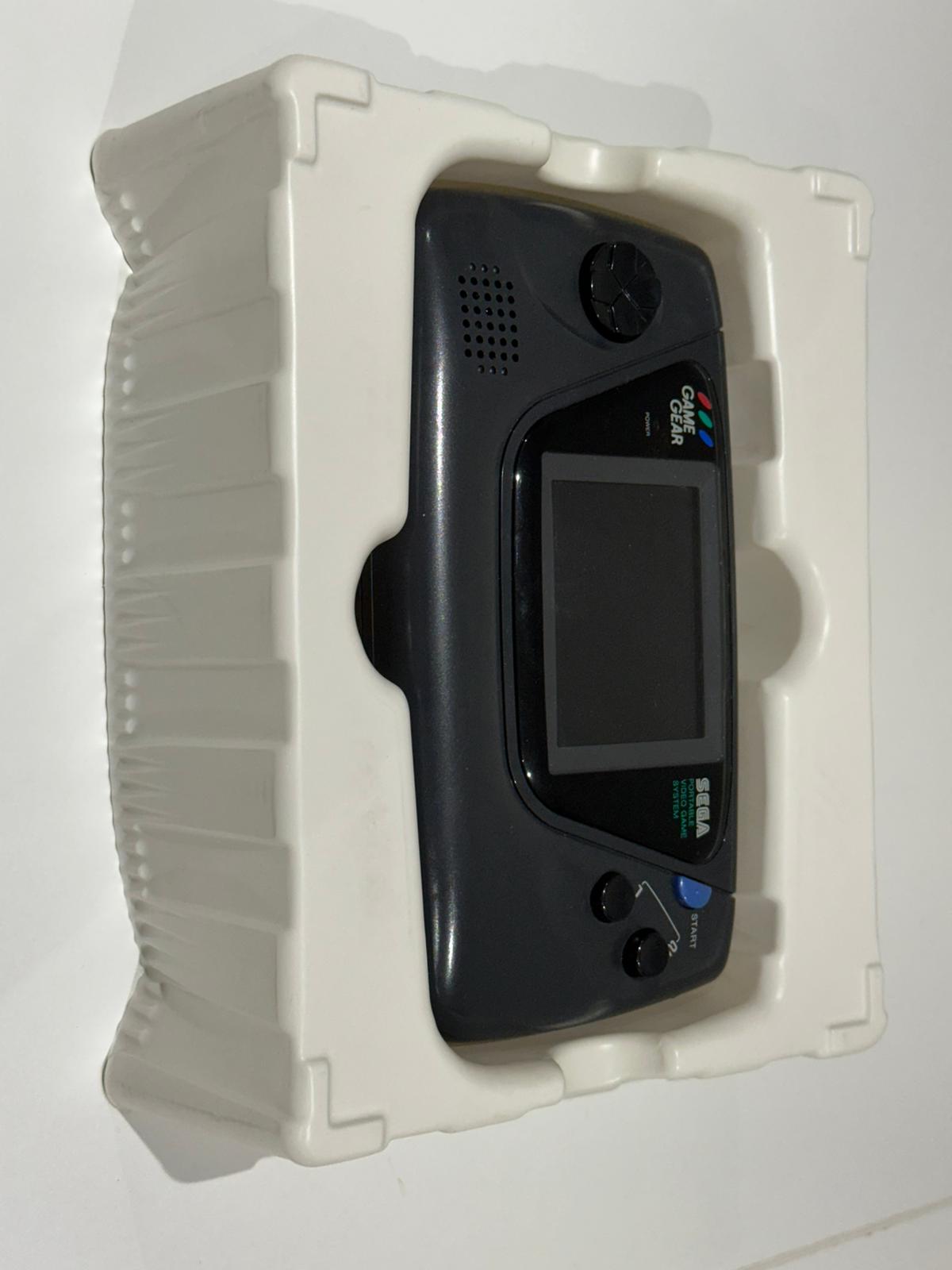
The Game Gear, released by Sega in 1990 in Japan and 1991 in North America and Europe, was Sega's ambitious attempt to dethrone Nintendo's Game Boy in the handheld gaming market. While ultimately unsuccessful in achieving complete market dominance, the Game Gear carved out its own significant niche and left a lasting impact on handheld gaming. It was marketed as a color alternative to the monochrome Game Boy, boasting a full-color screen and the ability to play Sega Master System games via an adapter, immediately giving it a massive library of available titles. Its vibrant display and ergonomic design (for the time) were significant selling points.
Despite its technical advantages, the Game Gear faced challenges. Its battery life was significantly shorter than the Game Boy's, requiring six AA batteries compared to the Game Boy's four, and it was also more expensive. Nevertheless, the Game Gear attracted a loyal following thanks to its impressive library of games, including portable versions of popular arcade and console titles. The console's legacy lives on through its influence on subsequent handheld gaming devices and the enduring appeal of its classic games. It helped push the boundaries of what players expected from portable entertainment and is fondly remembered as a key part of the early handheld gaming landscape. The Game Gear is a reminder of Sega's innovation and willingness to compete in a challenging market.
1990
SEGA
GAME GEAR
📜 History & Legacy
⚙️ Specifications
- ❖ CPU: Zilog Z80 8-bit processor running at 3.58 MHz
- ❖ GPU: Custom Sega ASIC
- ❖ RAM: 8 KB of RAM (main) + 16 KB of video RAM
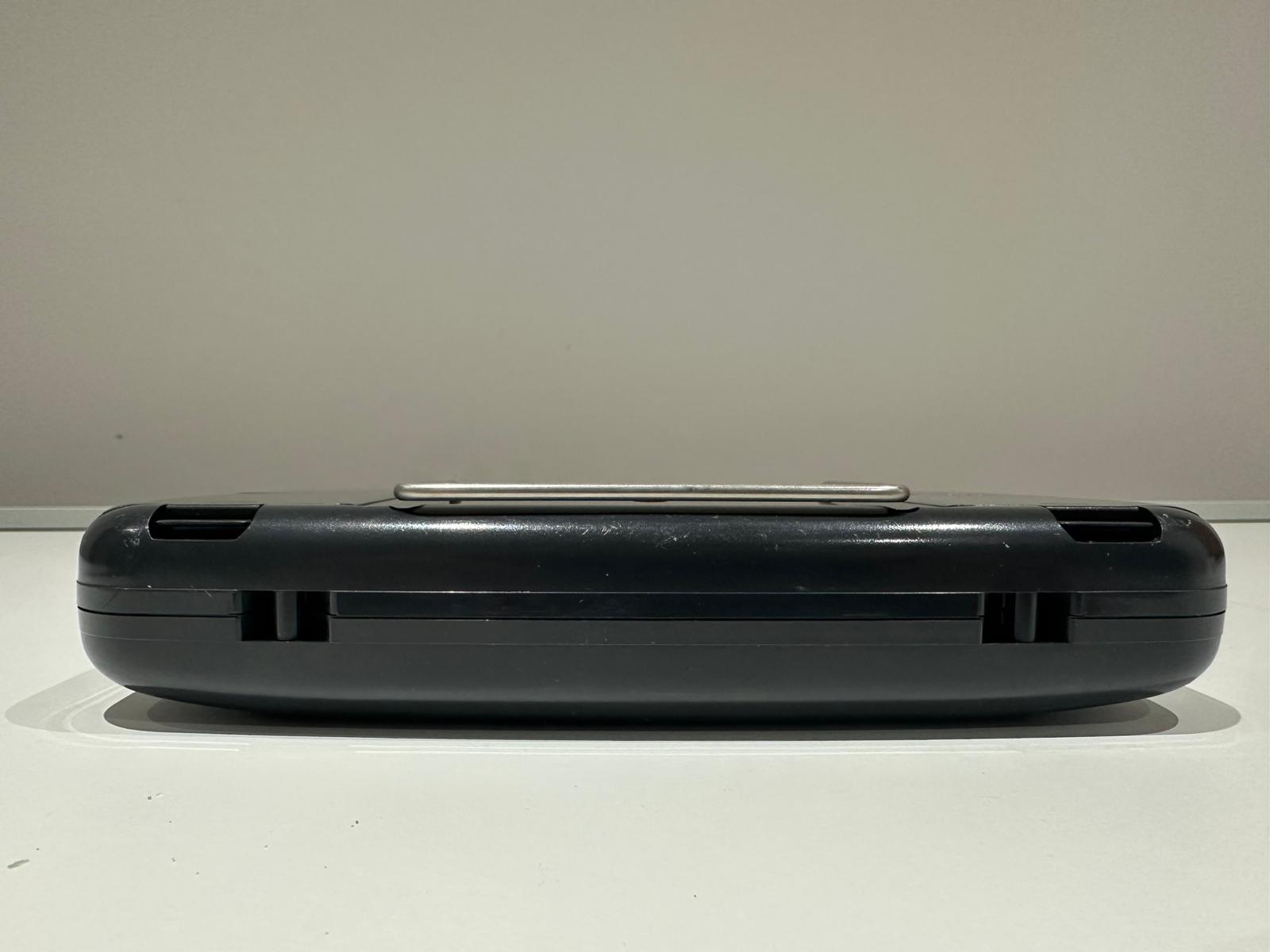
- ❖ Storage: Cartridge based ROM
- ❖ Media: Game Gear cartridges
🎮 Top 10 Games
- ★ Sonic the Hedgehog Triple Trouble
- ★ Shinobi
- ★ Streets of Rage 2
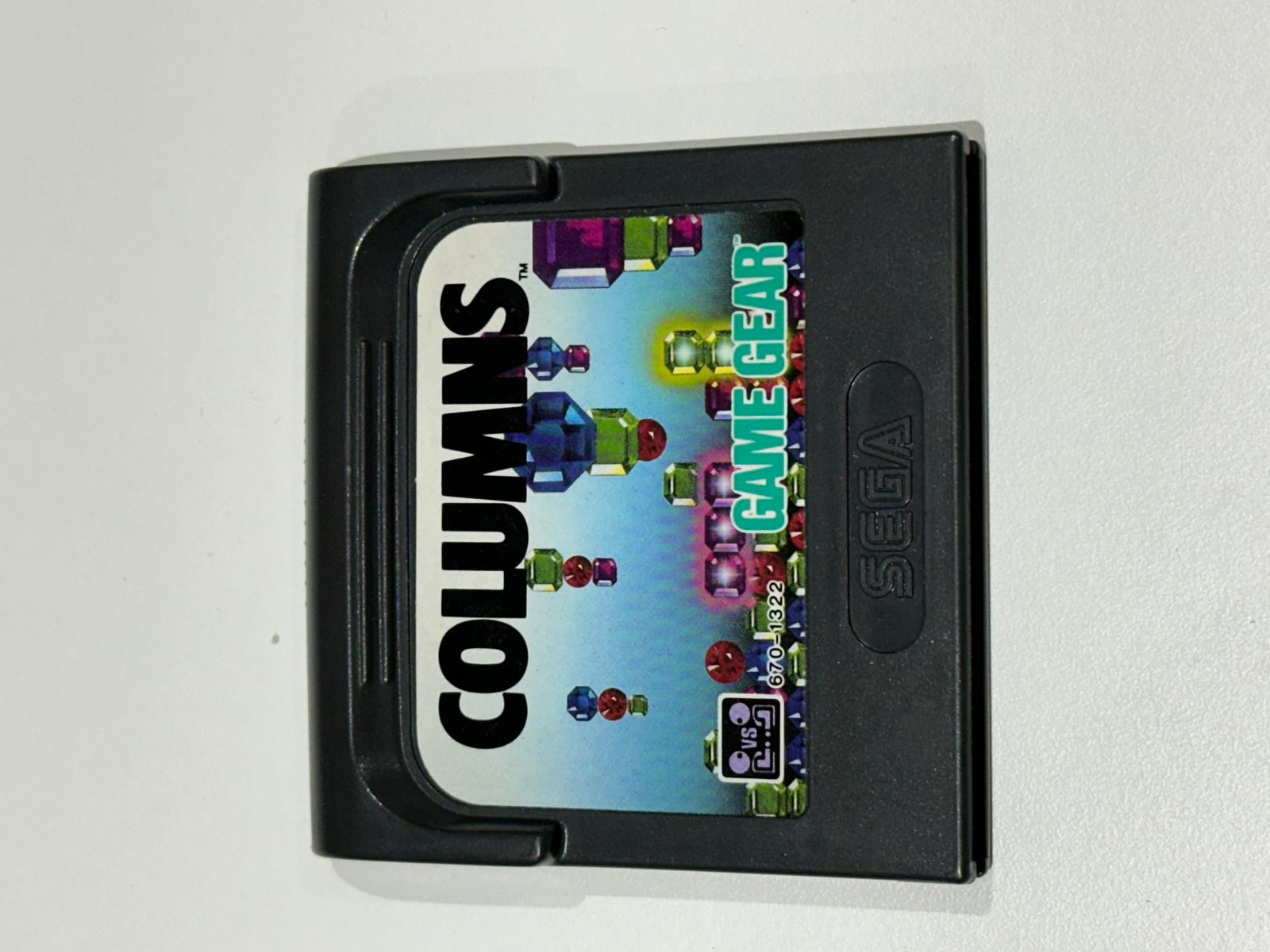
- ★ Columns
- ★ The GG Shinobi II: The Silent Fury
- ★ Land of Illusion Starring Mickey Mouse
- ★ Castle of Illusion Starring Mickey Mouse
- ★ Mega Man
- ★ Gunstar Heroes
- ★ Ecco the Dolphin
🎥 Video Review
💡 Curiosities
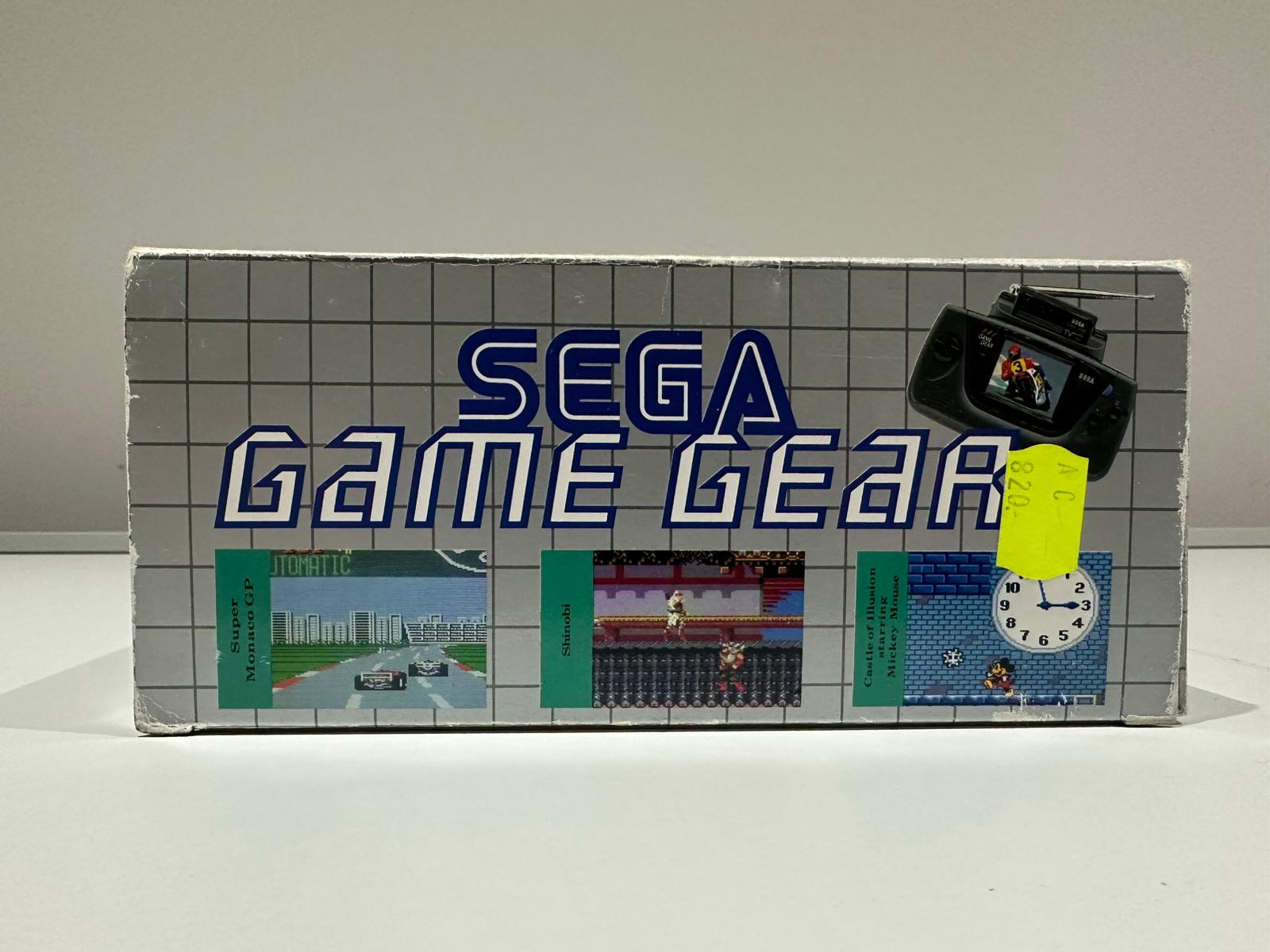
- ? Curiosity 1: Did you know that the Game Gear could be turned into a portable television with the addition of the TV Tuner accessory?
- ? Curiosity 2: The Game Gear was originally codenamed 'Project Mercury'.
- ? Curiosity 3: The Game Gear had a larger color palette than the Sega Master System, despite being able to play Master System games.
- ? Curiosity 4: There was a rare version of the Game Gear released in Japan called the Kid's Gear, which was designed for younger children.
- ? Curiosity 5: The Game Gear's screen was prone to 'screen burn-in' due to its LCD technology.
- ? Curiosity 6: Sega released a rechargeable battery pack for the Game Gear in an attempt to address the console's poor battery life.
- ? Curiosity 7: The Game Gear was the first handheld console to feature a full-color backlight.
- ? Curiosity 8: Several arcade ports on the Game Gear were considered superior to their NES counterparts due to the Game Gear's better color display.
- ? Curiosity 9: While the Game Boy outsold the Game Gear, Sega's handheld did manage to outsell the Atari Lynx.
- ? Curiosity 10: There was a Game Gear camera accessory planned, but it was ultimately canceled.
📸 Gallery
.jpeg)
.jpeg)
.jpeg)
.jpeg)
.jpeg)
.jpeg)
.jpeg)
.jpeg)
.jpeg)
.jpeg)