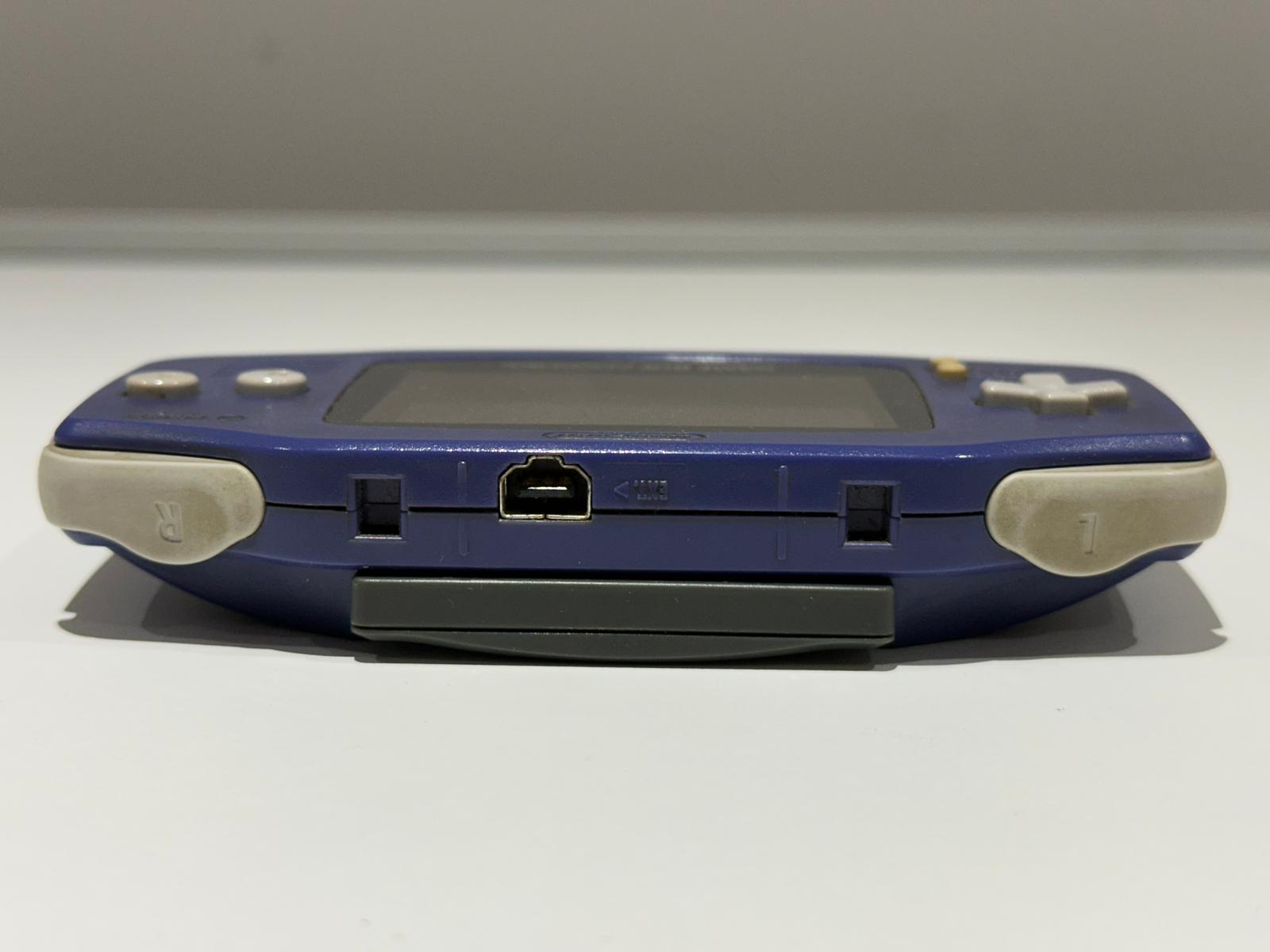
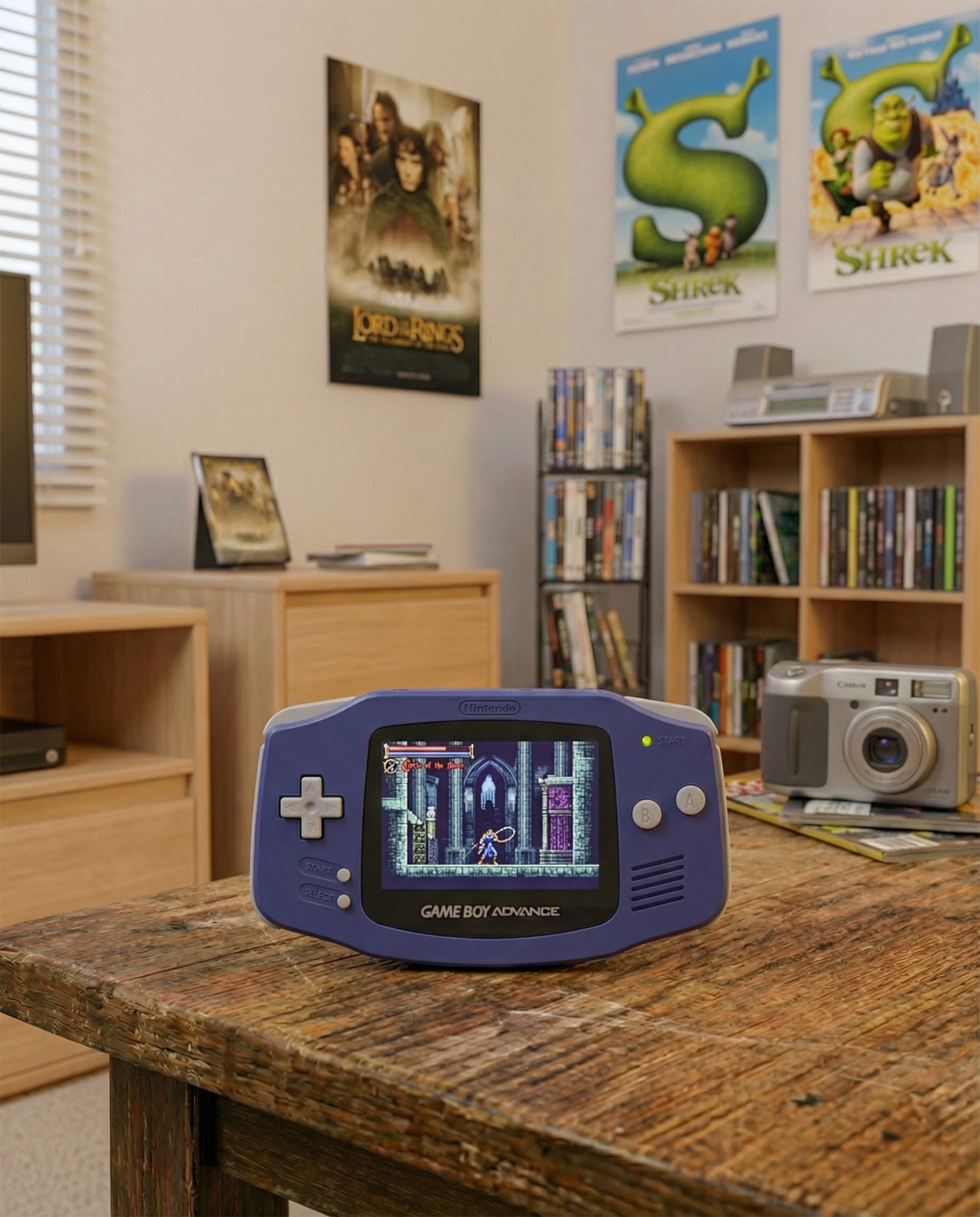
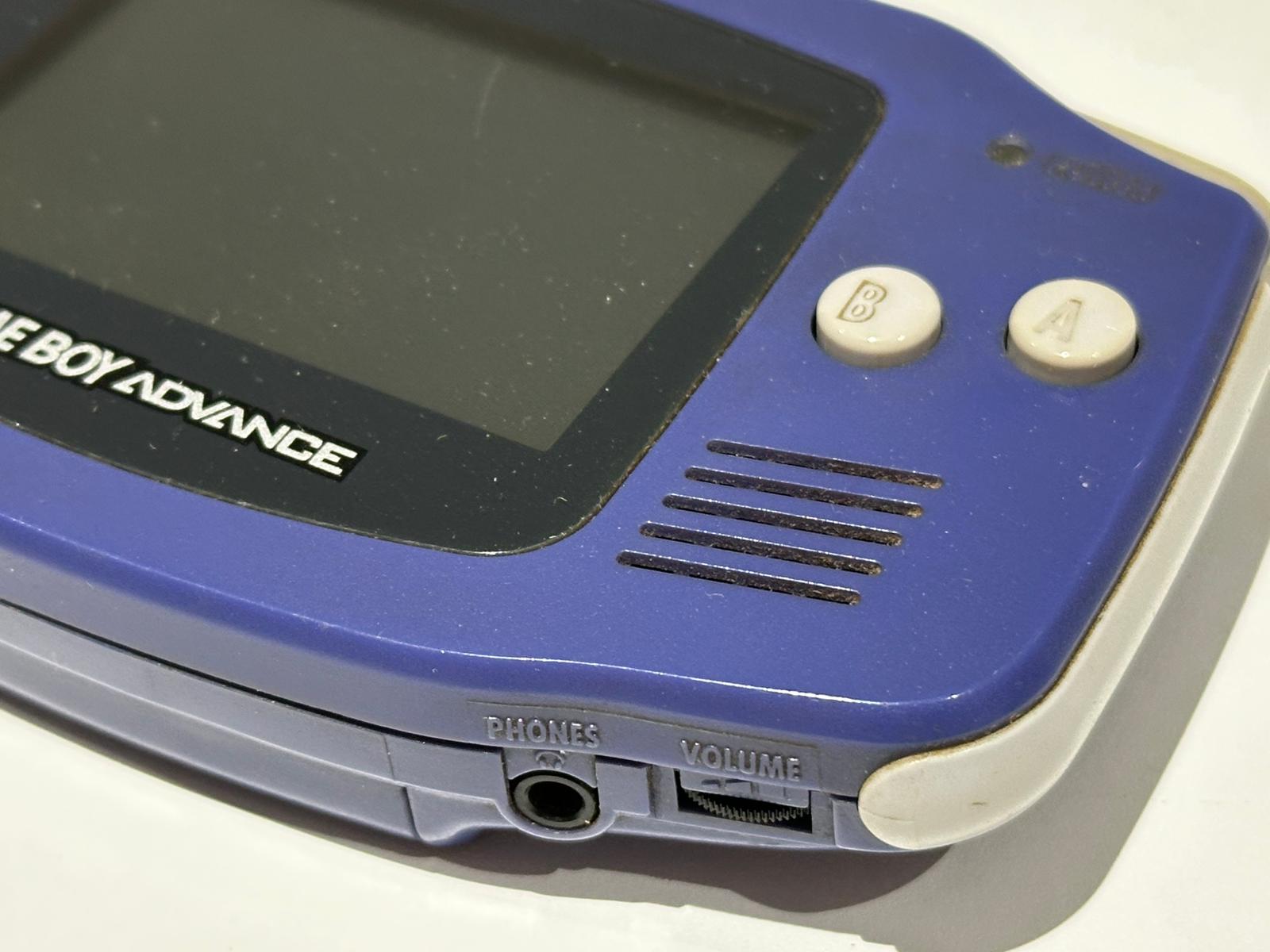
The Game Boy Advance (GBA), released by Nintendo in 2001, marked a significant leap forward in handheld gaming. Building upon the legacy of the Game Boy and Game Boy Color, the GBA introduced a 32-bit processor and a landscape form factor, providing a vastly improved gaming experience. Its vibrant color screen and enhanced processing power allowed for near-Super Nintendo quality graphics and gameplay on the go. The GBA was not just a technical upgrade; it was a cultural phenomenon that captivated a new generation of gamers and revitalized classic franchises.
The GBA's success can be attributed to its strong library of games, which included both original titles and remakes of beloved classics. Games like _Pokémon Ruby and Sapphire_, _Metroid Fusion_, and _The Legend of Zelda: Minish Cap_ pushed the system's capabilities and demonstrated its versatility. The GBA also saw a surge in popularity for tactical RPGs and innovative platformers, cementing its place as a powerhouse in the handheld market. Its ability to play Game Boy and Game Boy Color games, through backwards compatibility, further expanded its appeal and solidified its status as a must-have device for gamers of all ages. The Game Boy Advance SP, a clamshell redesign released in 2003, addressed screen visibility issues and added a rechargeable battery, further extending the console's lifespan and popularity. The Game Boy Micro, released in 2005, was a smaller, sleeker version, but its late release and limited appeal couldn't match the success of its predecessors.
The Game Boy Advance's legacy extends beyond its impressive sales figures. It played a crucial role in shaping the landscape of handheld gaming, paving the way for future generations of portable consoles. Its impact can still be felt today, with many of its classic titles being re-released on modern platforms and its design influencing contemporary handheld devices. The GBA remains a beloved console for gamers worldwide, fondly remembered for its innovative features, diverse game library, and significant contribution to the history of video games.
2001
NINTENDO
GAME BOY ADVANCE
📜 History & Legacy
⚙️ Specifications
- ❖ CPU: 16.8 MHz 32-bit ARM7TDMI
- ❖ GPU: Custom chipset with tile-based rendering
- ❖ RAM: 32 KB + 96 KB VRAM
- ❖ Storage: Game Pak cartridges (ROM)
- ❖ Media: Game Boy Advance Game Pak
🎮 Top 10 Games
- ★ Pokémon Ruby and Sapphire
- ★ Metroid Fusion
- ★ The Legend of Zelda: Minish Cap
- ★ Fire Emblem
- ★ Advance Wars
- ★ Castlevania: Aria of Sorrow
- ★ Golden Sun
- ★ Mario & Luigi: Superstar Saga
- ★ WarioWare, Inc.: Mega Microgames!
- ★ Final Fantasy VI Advance
🎥 Video Review
💡 Curiosities
- ? Did you know that the GBA was originally codenamed "Atlantis"?
- ? The GBA could connect with the GameCube for certain games, unlocking special features.
- ? The Game Boy Advance SP featured a front-lit screen, a significant improvement over the original GBA's unlit display.
- ? The Game Boy Micro was the smallest Game Boy ever produced.
- ? The GBA's processor had a 16-bit mode for backwards compatibility with older Game Boy games.
- ? Some GBA games used a built-in rumble feature powered by a separate battery.
- ? The GBA could be used as a controller for certain GameCube games.
- ? The GBA was Nintendo's last handheld console to use cartridges.
- ? The GBA was released in multiple colors, including a limited edition "Pokémon Center" edition.
- ? Several accessories were released for the GBA, including a wireless adapter and a camera.
📸 Gallery
.jpeg)
.jpeg)
.jpeg)
.jpeg)
.jpeg)
.jpeg)
.jpeg)
.jpeg)
.jpeg)
.jpeg)
.jpeg)
.jpeg)
.jpeg)
.jpeg)
.jpeg)
.jpeg)
.jpeg)
.jpeg)
.jpeg)