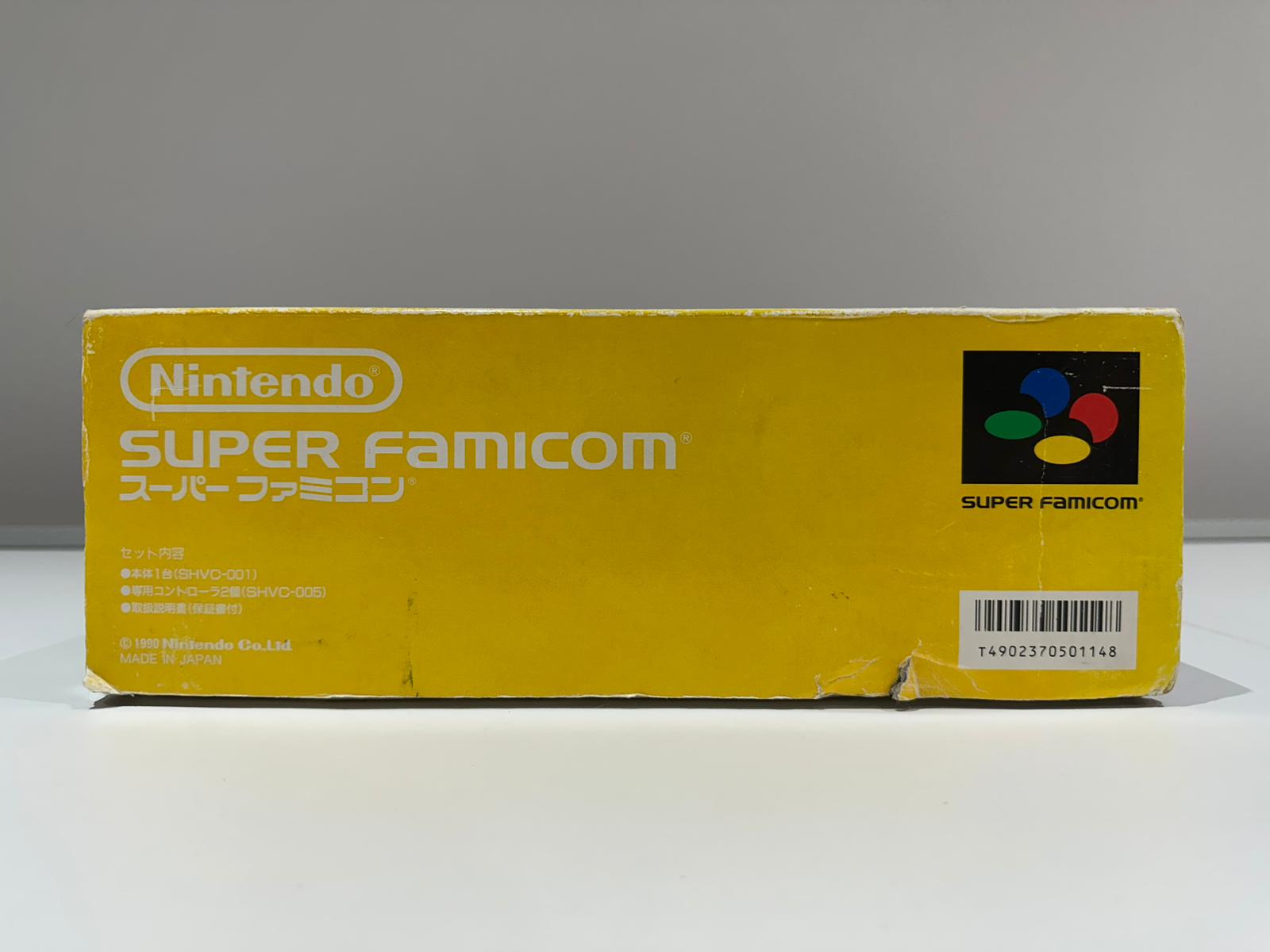
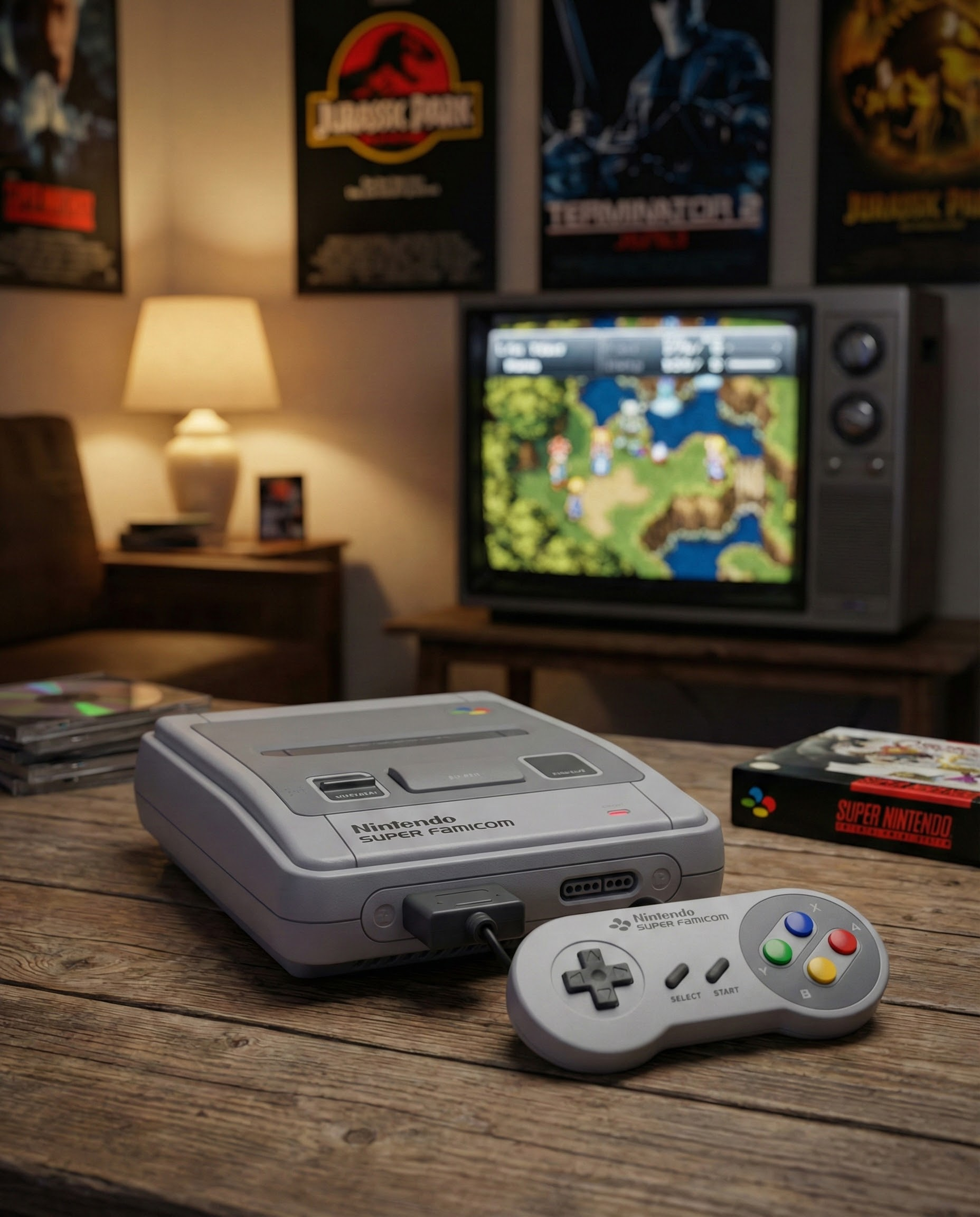
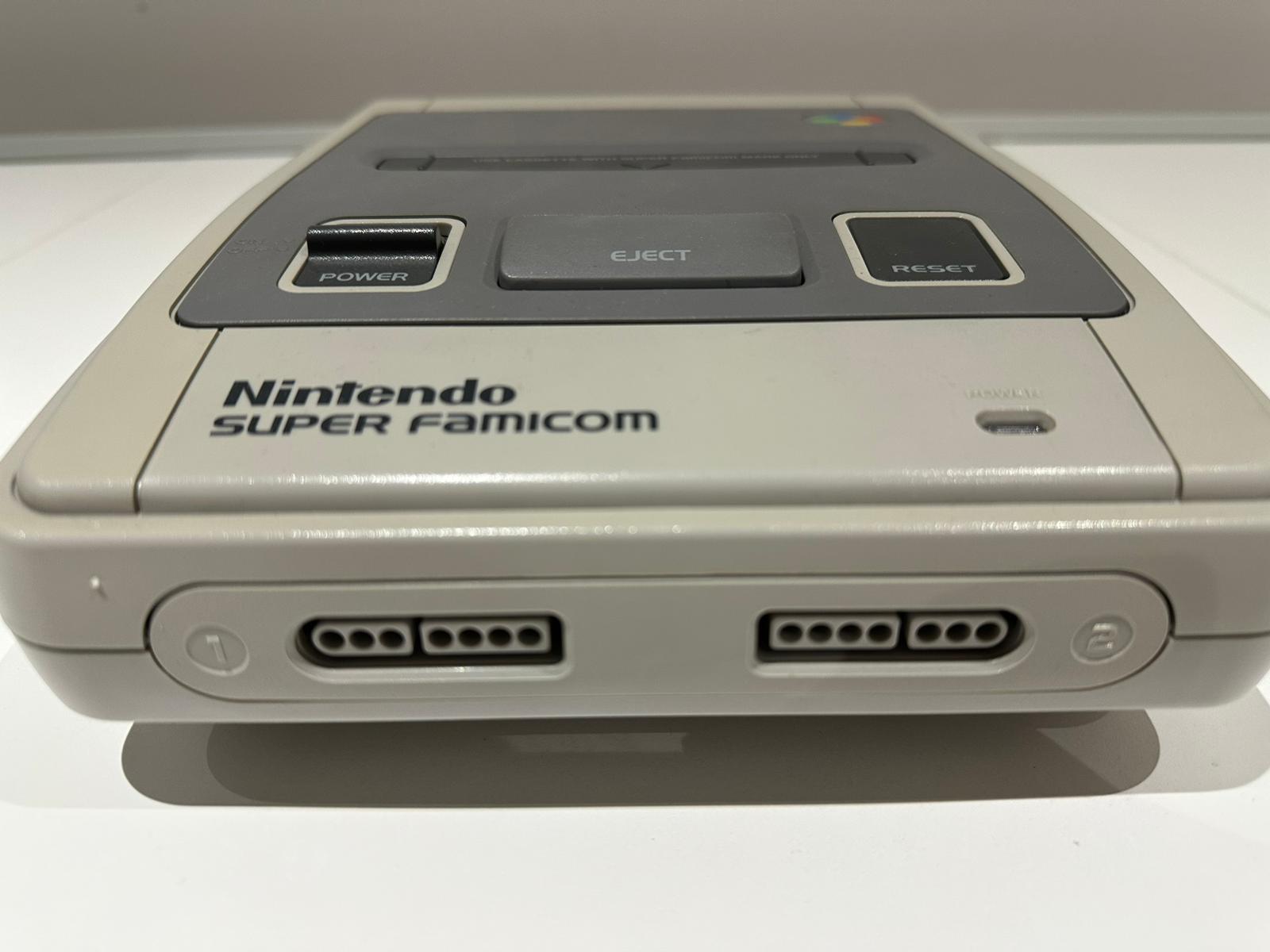
The Super Famicom, released by Nintendo in Japan in 1990, marked a significant leap forward in console gaming. Known as the Super Nintendo Entertainment System (SNES) in North America and other regions, it ushered in the 16-bit era, boasting enhanced graphics, sound capabilities, and a wider array of colors compared to its 8-bit predecessor, the Nintendo Entertainment System (NES). The Super Famicom quickly became a cultural phenomenon, captivating players with its innovative gameplay and iconic titles.
The console's impact extended beyond its technical prowess. It fostered a golden age of role-playing games (RPGs), platformers, and action games, setting new standards for game design and storytelling. The Super Famicom's influence is still felt today, with many of its classic games regularly cited as some of the best ever created. It cemented Nintendo's position as a leader in the video game industry and laid the groundwork for future console generations. Its legacy lives on through emulators, re-releases, and the enduring love of its passionate fanbase. The Super Famicom is remembered not just as a console but as a pivotal moment in gaming history, embodying a spirit of innovation and creativity that continues to inspire developers and players alike. The console's impact on gaming culture is undeniable, influencing game design, storytelling, and the overall gaming experience for generations to come. The Super FX chip allowed for early 3D Polygon rendering, pushing the boundaries of what was thought possible.
The Super Famicom faced stiff competition from the Sega Genesis/Mega Drive, creating a defining rivalry that shaped the console market. This competition drove innovation and resulted in a diverse library of games, further solidifying the Super Famicom's place in gaming history. Its enduring popularity and cultural significance ensure that the Super Famicom will continue to be celebrated as one of the greatest video game consoles of all time.
1990
NINTENDO
SUPER FAMICOM
📜 History & Legacy
⚙️ Specifications
- ❖ CPU: 16-bit Ricoh 5A22 processor @ 3.58 MHz
- ❖ GPU: Custom video display processor (VDP) supporting 256x224 to 512x448 resolution
- ❖ RAM: 128 KB of DRAM
- ❖ Storage: Game cartridges (ROM)
- ❖ Media: Cartridge
🎮 Top 10 Games
- ★ The Legend of Zelda: A Link to the Past
- ★ Super Metroid
- ★ Super Mario World
- ★ Street Fighter II Turbo
- ★ Chrono Trigger
- ★ Final Fantasy VI
- ★ EarthBound
- ★ Super Mario Kart
- ★ Donkey Kong Country
- ★ Secret of Mana
🎥 Video Review
💡 Curiosities
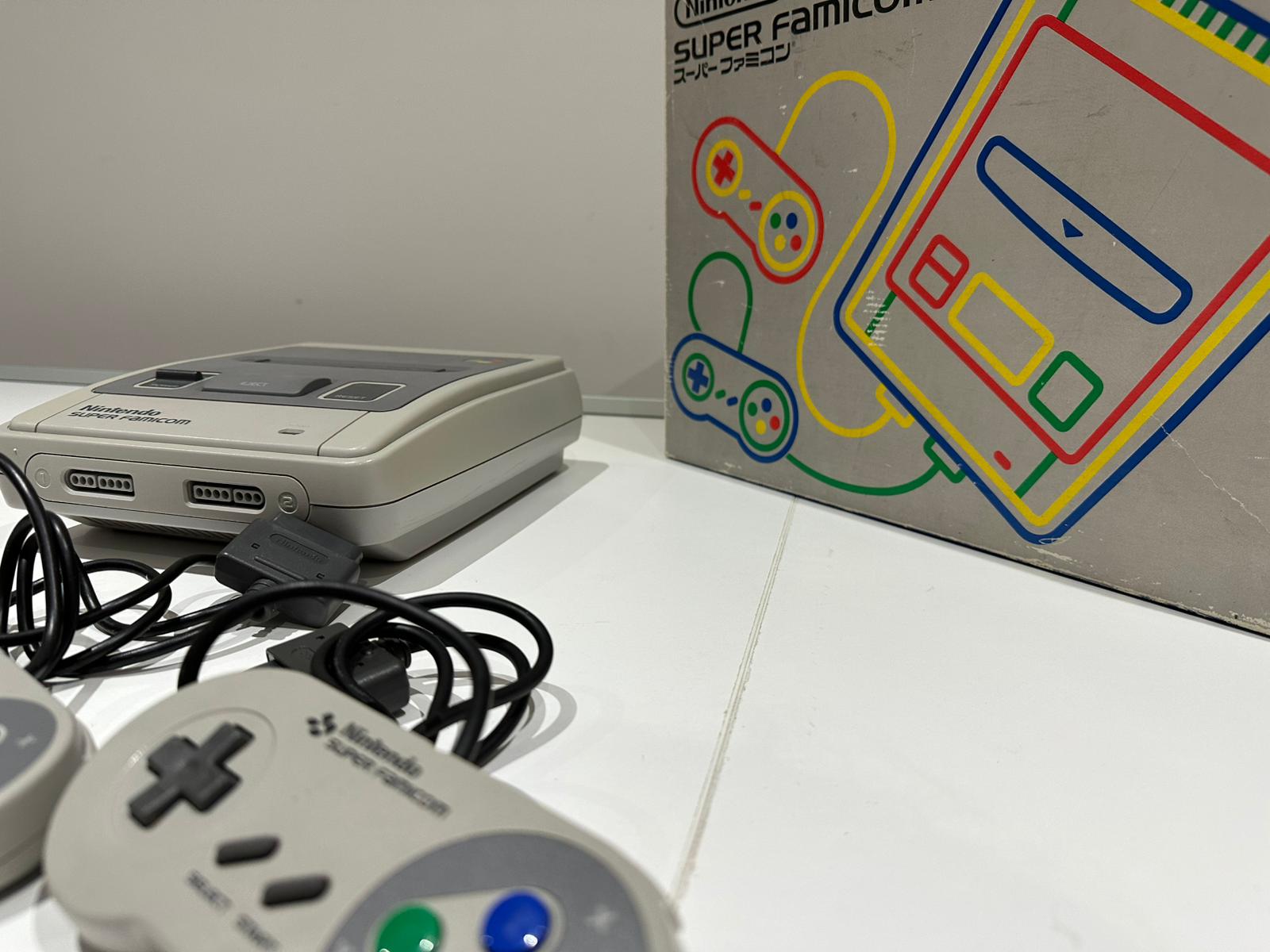
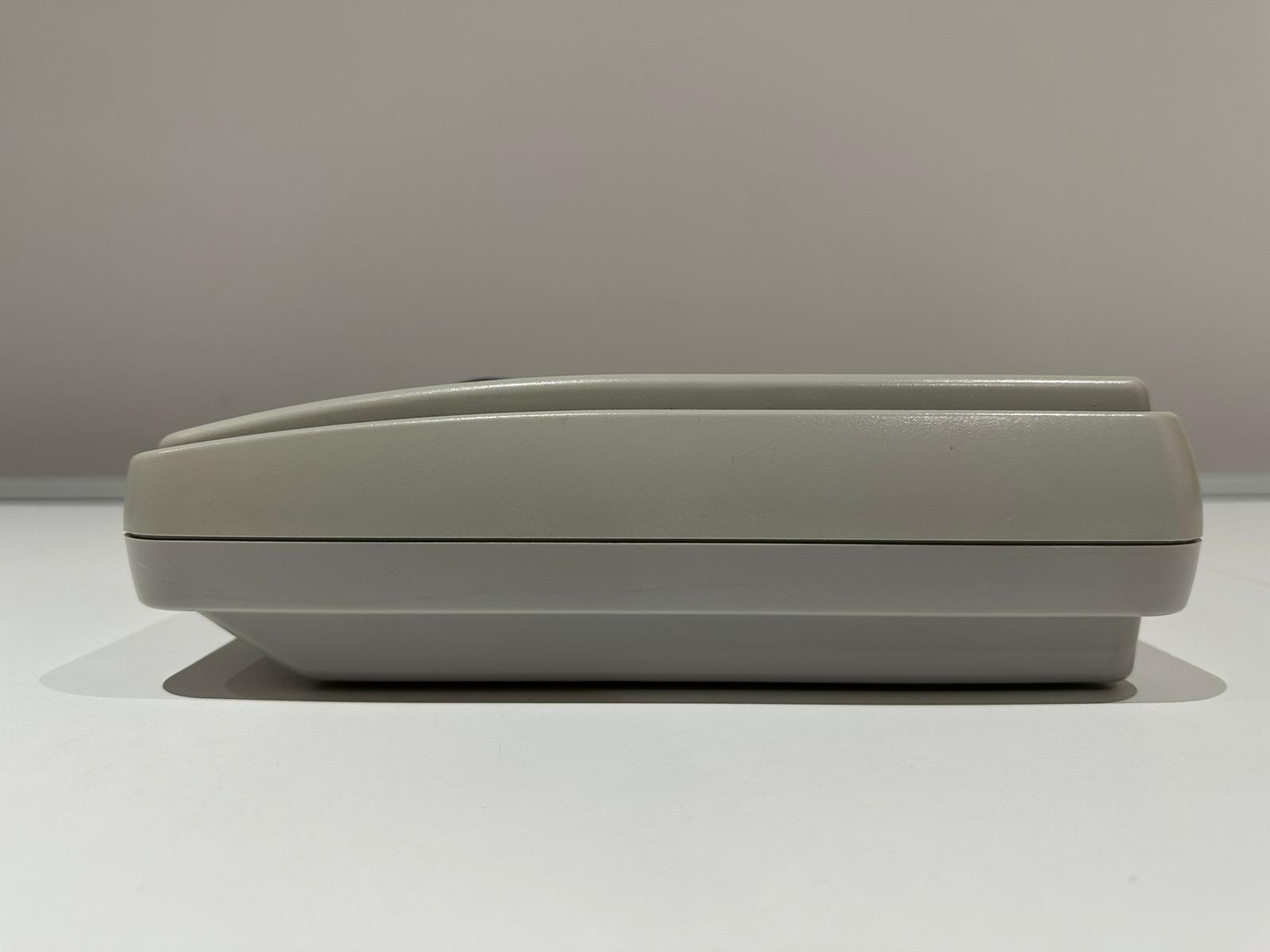
- ? Curiosity 1 (Did you know...?) The Super Famicom's design was inspired by rounded edges to make it appear more friendly and approachable.
- ? Curiosity 2 The North American SNES design was different from the Super Famicom's, featuring a boxier aesthetic.
- ? Curiosity 3 The Super Famicom was originally planned to be released in 1988, but delays pushed its launch to 1990.
- ? Curiosity 4 The 'Super' in Super Famicom and SNES was meant to signify a significant upgrade over the original Famicom/NES.
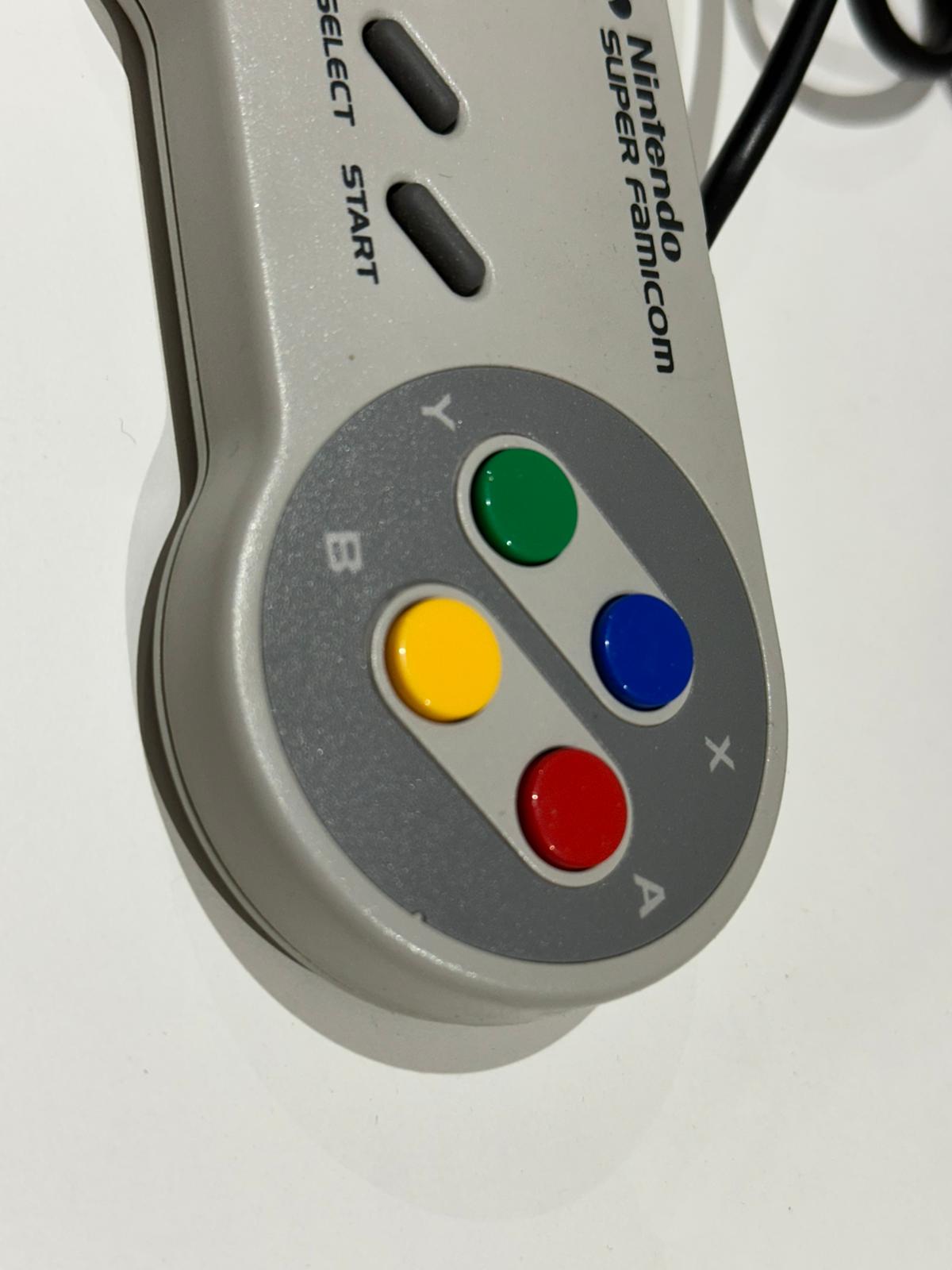
- ? Curiosity 5 The Super Famicom's controller featured four face buttons (A, B, X, Y) and two shoulder buttons (L, R), setting a new standard for console controllers.
- ? Curiosity 6 Several games utilized enhancement chips within the cartridges, such as the Super FX chip, to enhance graphics and performance.
- ? Curiosity 7 The Super Famicom was a commercial success, selling millions of units worldwide.
- ? Curiosity 8 The console's sound chip was capable of producing high-quality music and sound effects, contributing to the immersive gaming experience.
- ? Curiosity 9 The Super Famicom had a vibrant homebrew community that continues to develop new games and software for the console.
- ? Curiosity 10 The Super Famicom's library included a wide variety of genres, catering to different tastes and preferences.
📸 Gallery
.jpeg)
.jpeg)
.jpeg)
.jpeg)
.jpeg)
.jpeg)
.jpeg)
.jpeg)
.jpeg)
.jpeg)
.jpeg)
.jpeg)
.jpeg)
.jpeg)
.jpeg)
.jpeg)
.jpeg)
.jpeg)
.jpeg)
.jpeg)
.jpeg)
.jpeg)
.jpeg)