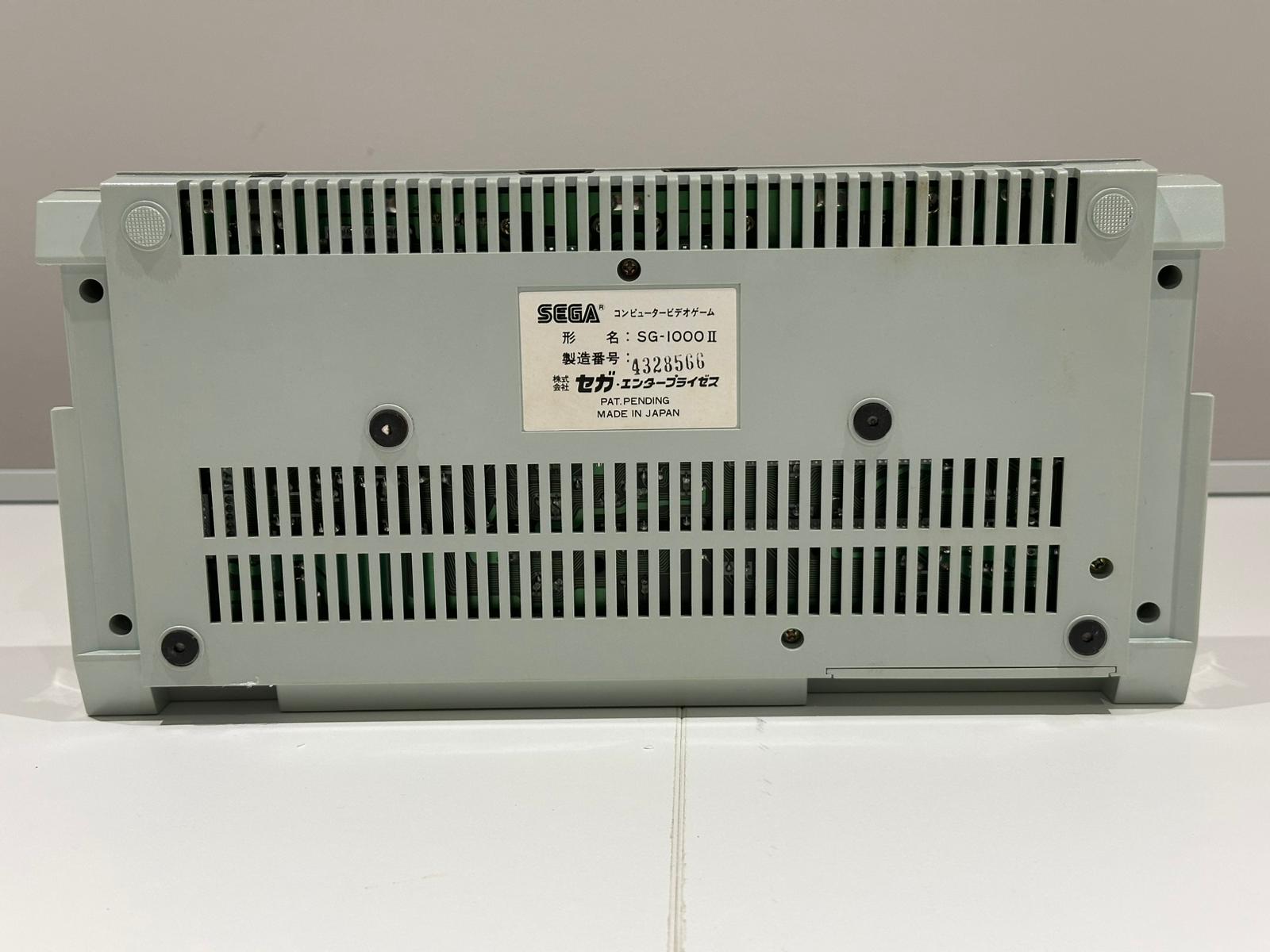
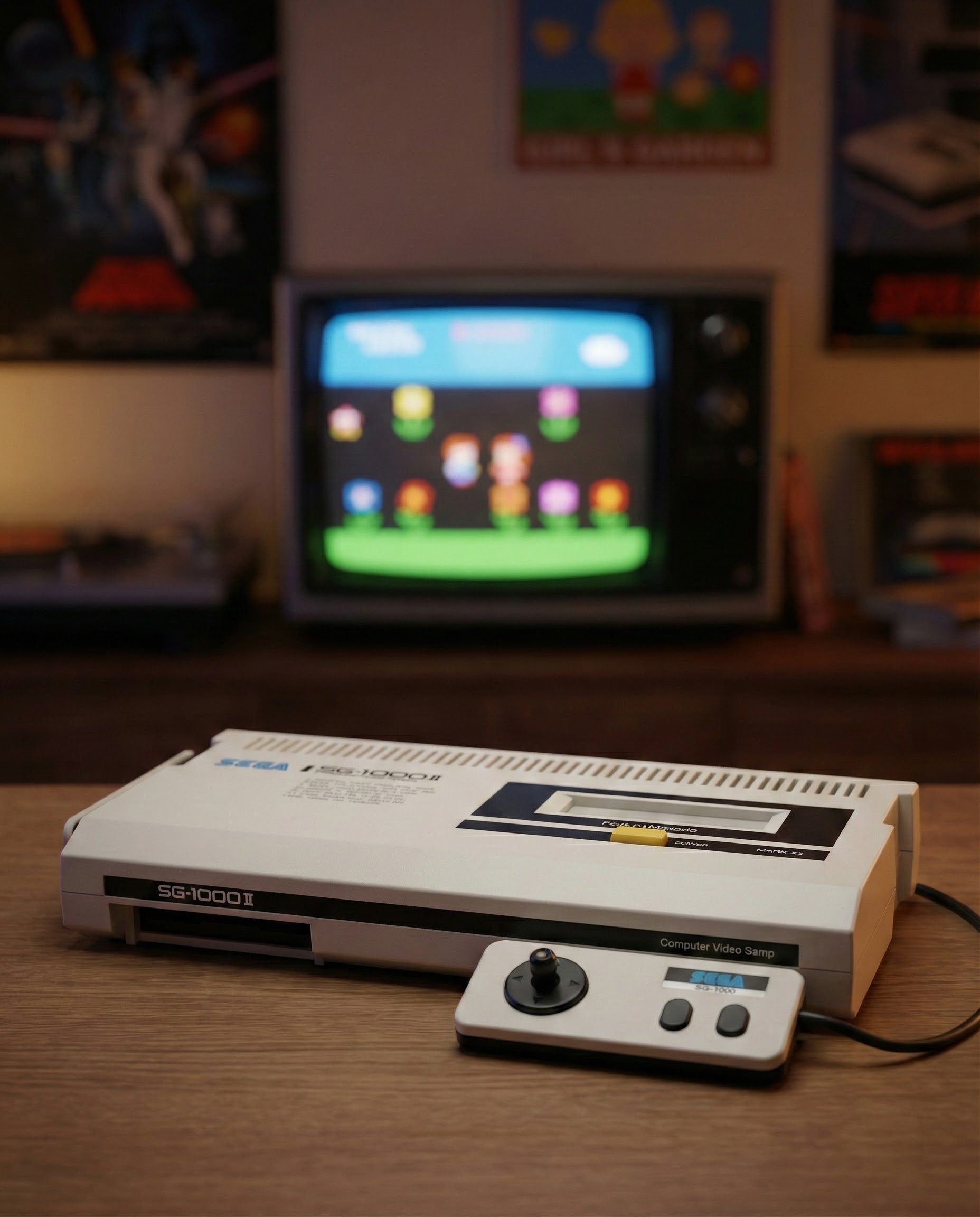
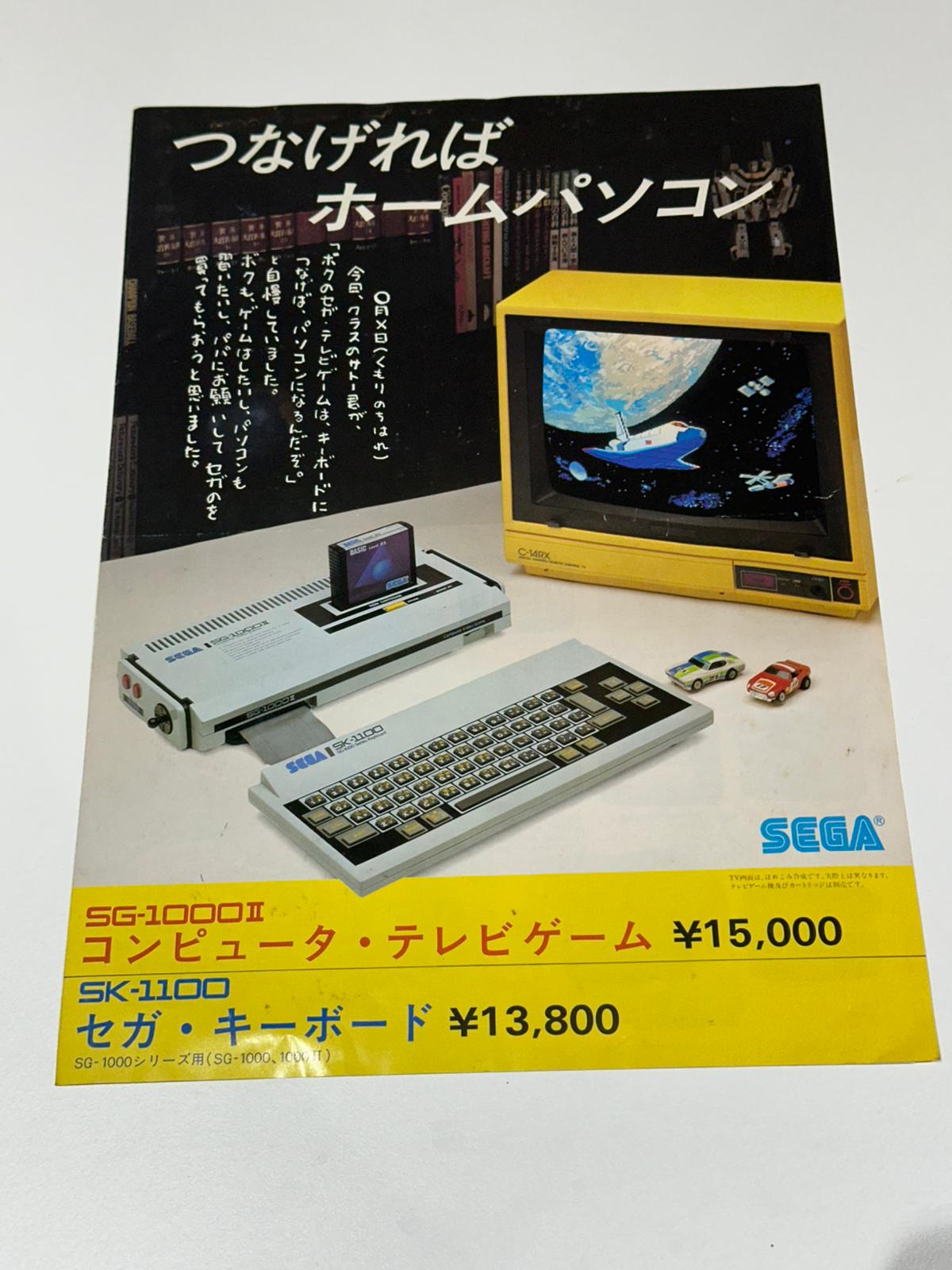
The SG-1000 Mark II, released by SEGA in 1984, represents a pivotal moment in the company's history and the broader video game industry. Building upon the foundation of the original SG-1000, the Mark II addressed several shortcomings of its predecessor, most notably by introducing a detachable keyboard. This seemingly minor change dramatically improved the console's versatility, allowing for more complex games and applications. While the SG-1000 and SG-1000 Mark II had limited success outside of Asia, they served as crucial stepping stones for SEGA, providing invaluable experience in hardware design and software development. This experience directly contributed to the creation of the vastly more successful SEGA Master System.
Despite its short lifespan, the SG-1000 Mark II played a significant role in shaping the video game landscape. It showcased SEGA's commitment to innovation and its willingness to experiment with new technologies. The console's library, while limited compared to competitors like the Nintendo Famicom, featured a diverse range of titles, including arcade ports and original games that demonstrated the system's capabilities. The SG-1000 Mark II is a fascinating piece of gaming history, representing an early chapter in SEGA's journey to becoming a major player in the industry. Its legacy lives on in the company's subsequent consoles and its enduring impact on video game development.
1984
SEGA
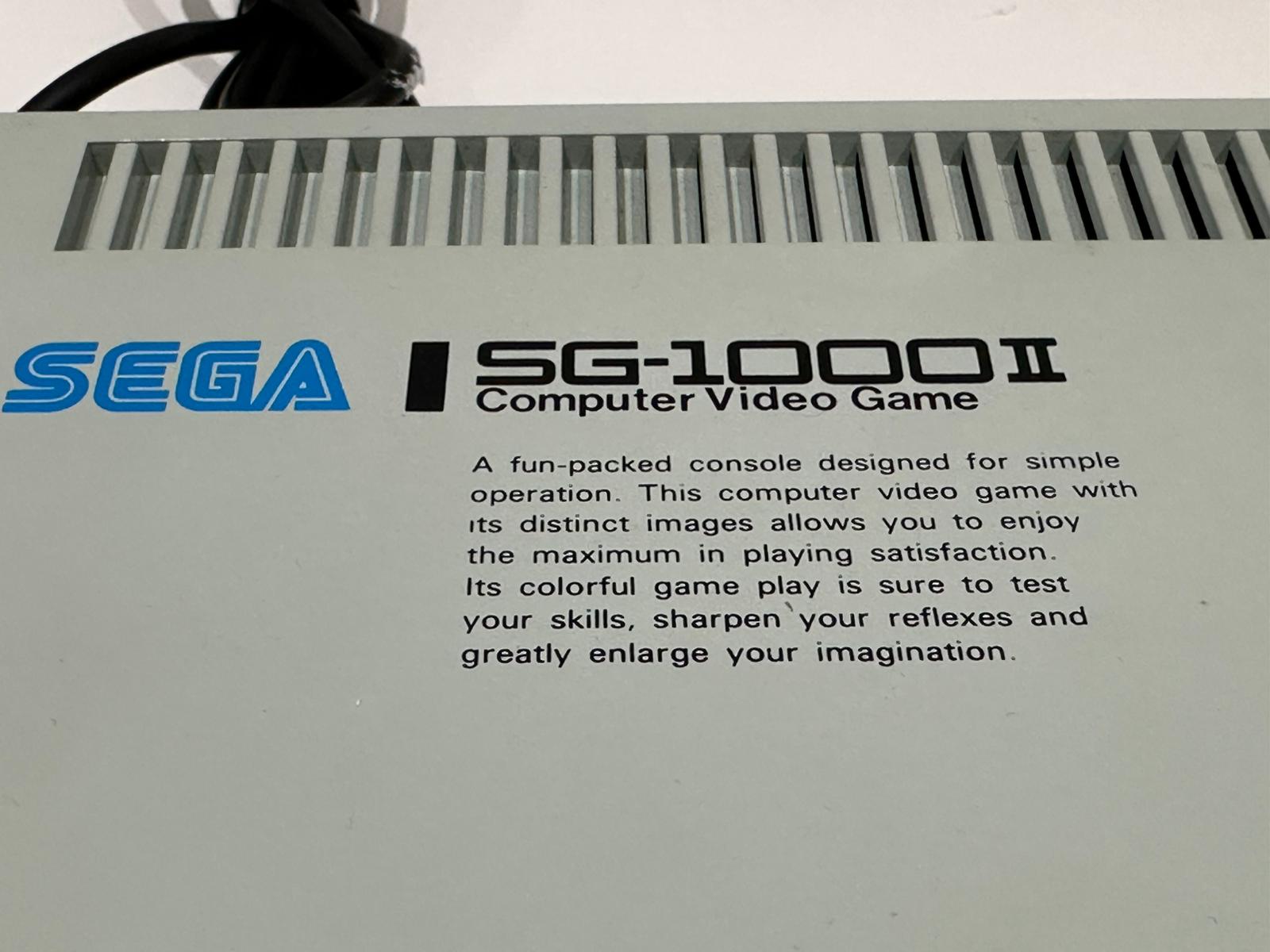
SG-1000 MARK II
📜 History & Legacy
⚙️ Specifications
- ❖ CPU: Zilog Z80 @ 3.58 MHz
- ❖ GPU: Texas Instruments TMS9918A
- ❖ RAM: 16 KB
- ❖ Storage: Cartridge
- ❖ Media: ROM Cartridge
🎮 Top 10 Games
- ★ Flicky
- ★ Girl's Garden
- ★ SEGA-Galaga
- ★ N-Sub
- ★ Champion Boxing
- ★ Othello
- ★ Monaco GP
- ★ Orguss
- ★ Safari Hunt
- ★ Pinball
💡 Curiosities
- ? Did you know? The SG-1000's name stands for 'Sega Game 1000'.
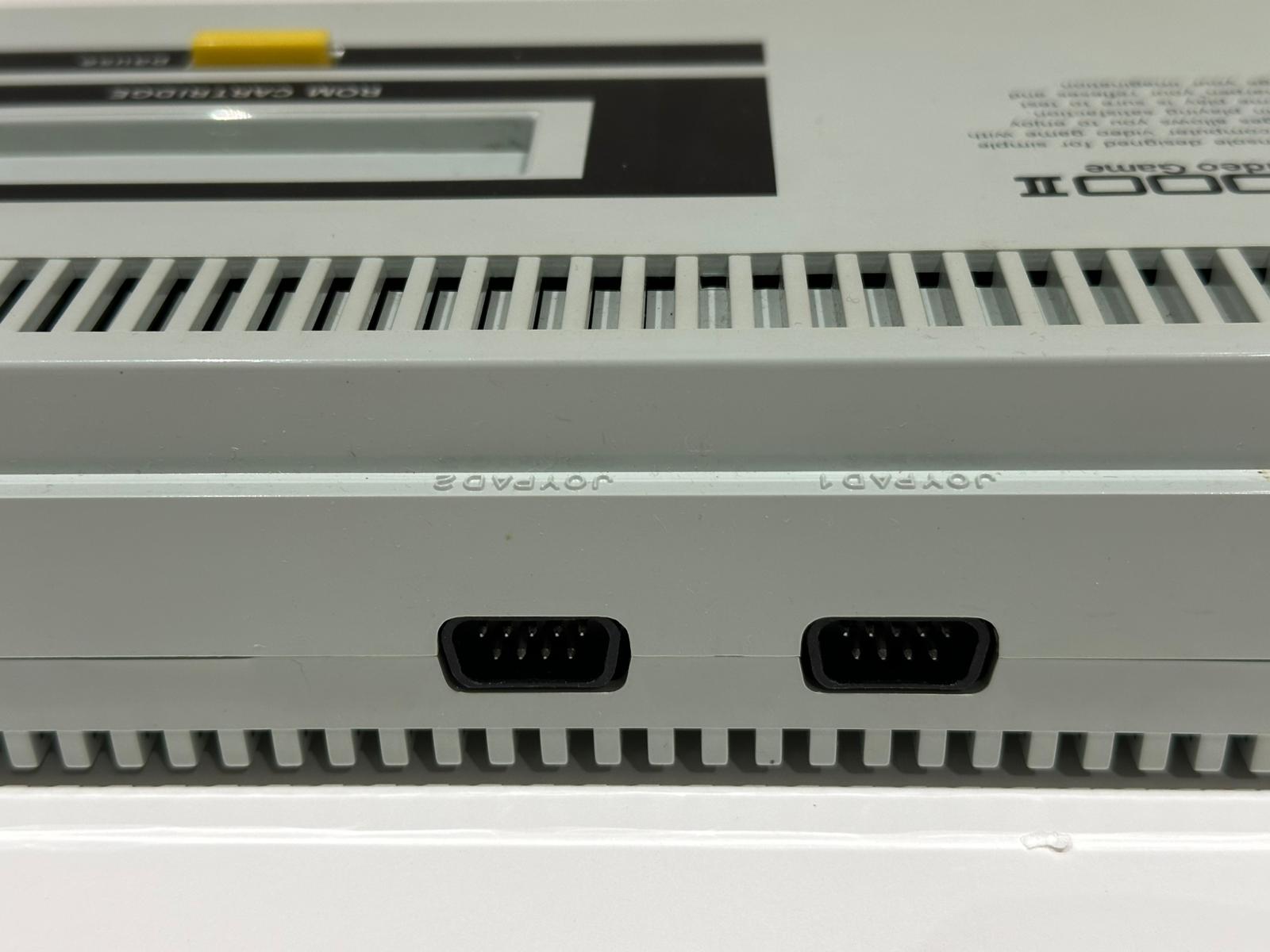
- ? Did you know? The SG-1000 Mark II featured a detachable keyboard port, an improvement over the original SG-1000.
- ? Did you know? The SG-1000 Mark II was released in Japan on July 31, 1984.
- ? Did you know? The console was also sold in some other markets, including Australia and New Zealand.
- ? Did you know? The SG-1000 was designed to compete with Nintendo's Famicom, but it was not as successful.
- ? Did you know? Some games released for the SG-1000 were later ported to the Master System.
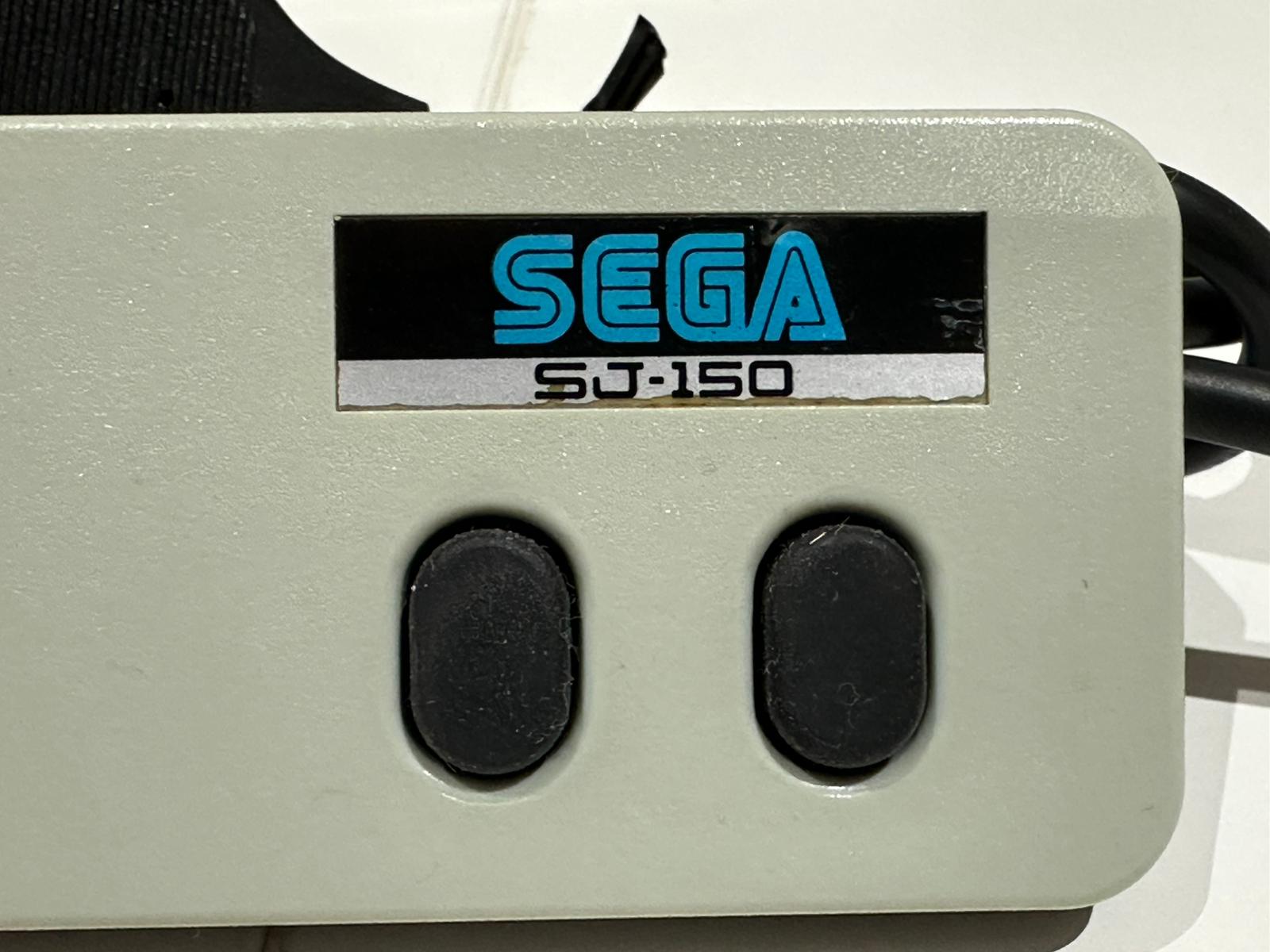
- ? Did you know? The SG-1000's controller had a small, rectangular shape with a single button.
- ? Did you know? The console had a limited color palette compared to later systems.
- ? Did you know? The SG-1000's successor, the Sega Master System, was a significantly more powerful and successful console.
- ? Did you know? The SG-1000 and SG-1000 Mark II are considered important milestones in SEGA's history, demonstrating their early efforts in the console market.
📸 Gallery
.jpeg)
.jpeg)
.jpeg)
.jpeg)
.jpeg)
.jpeg)
.jpeg)
.jpeg)
.jpeg)
.jpeg)
.jpeg)
.jpeg)
.jpeg)
.jpeg)
.jpeg)
.jpeg)
.jpeg)
.jpeg)
.jpeg)
.jpeg)
.jpeg)
.jpeg)
.jpeg)
.jpeg)
.jpeg)
.jpeg)
.jpeg)
.jpeg)
.jpeg)
.jpeg)
.jpeg)
.jpeg)