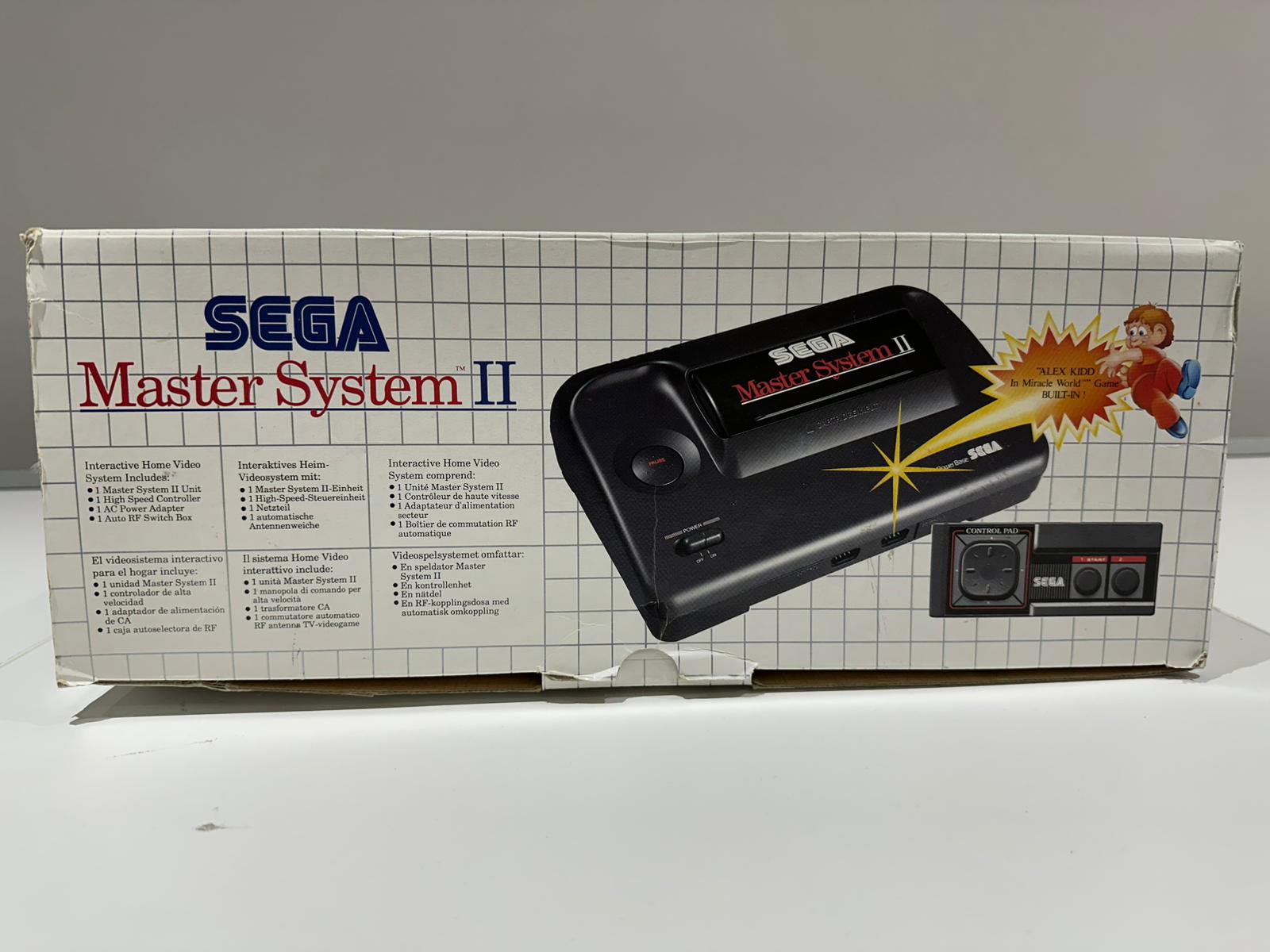
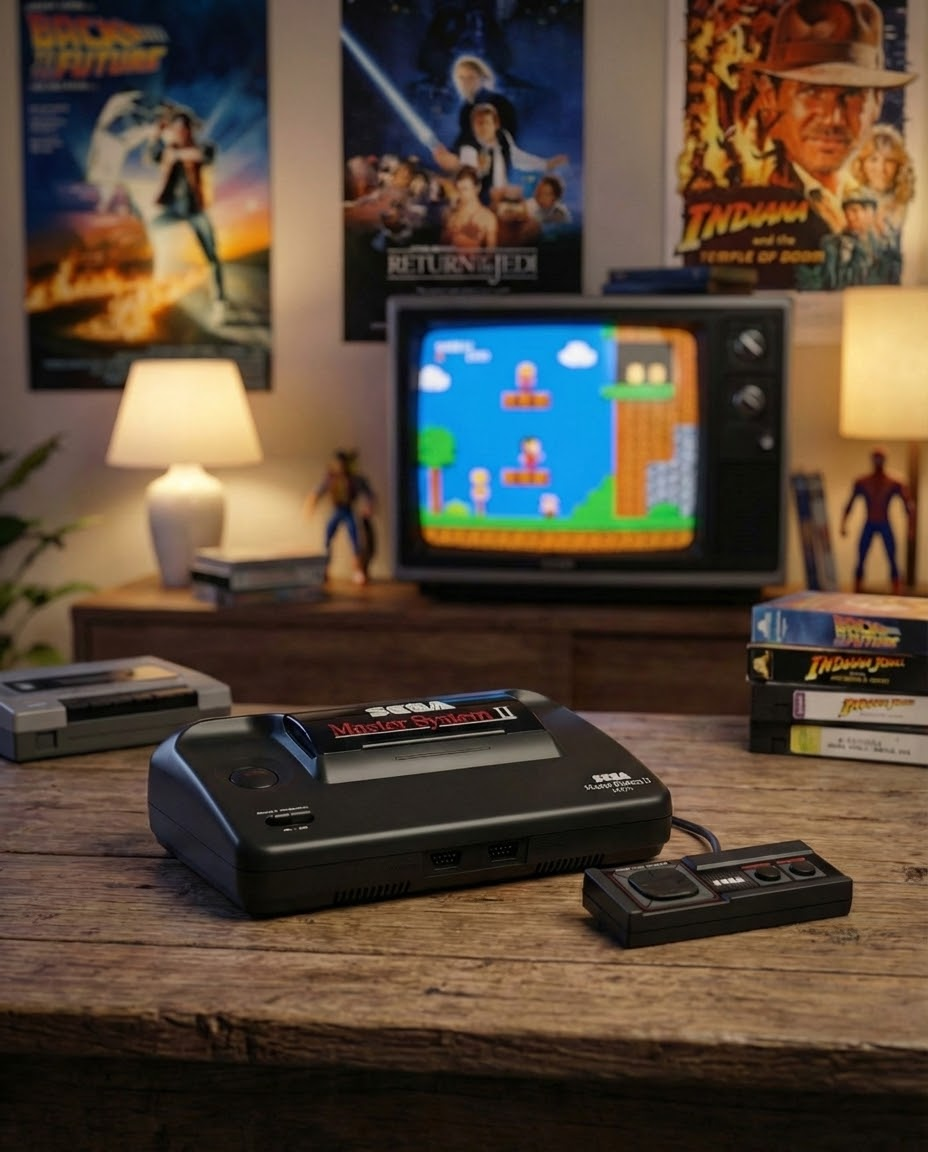
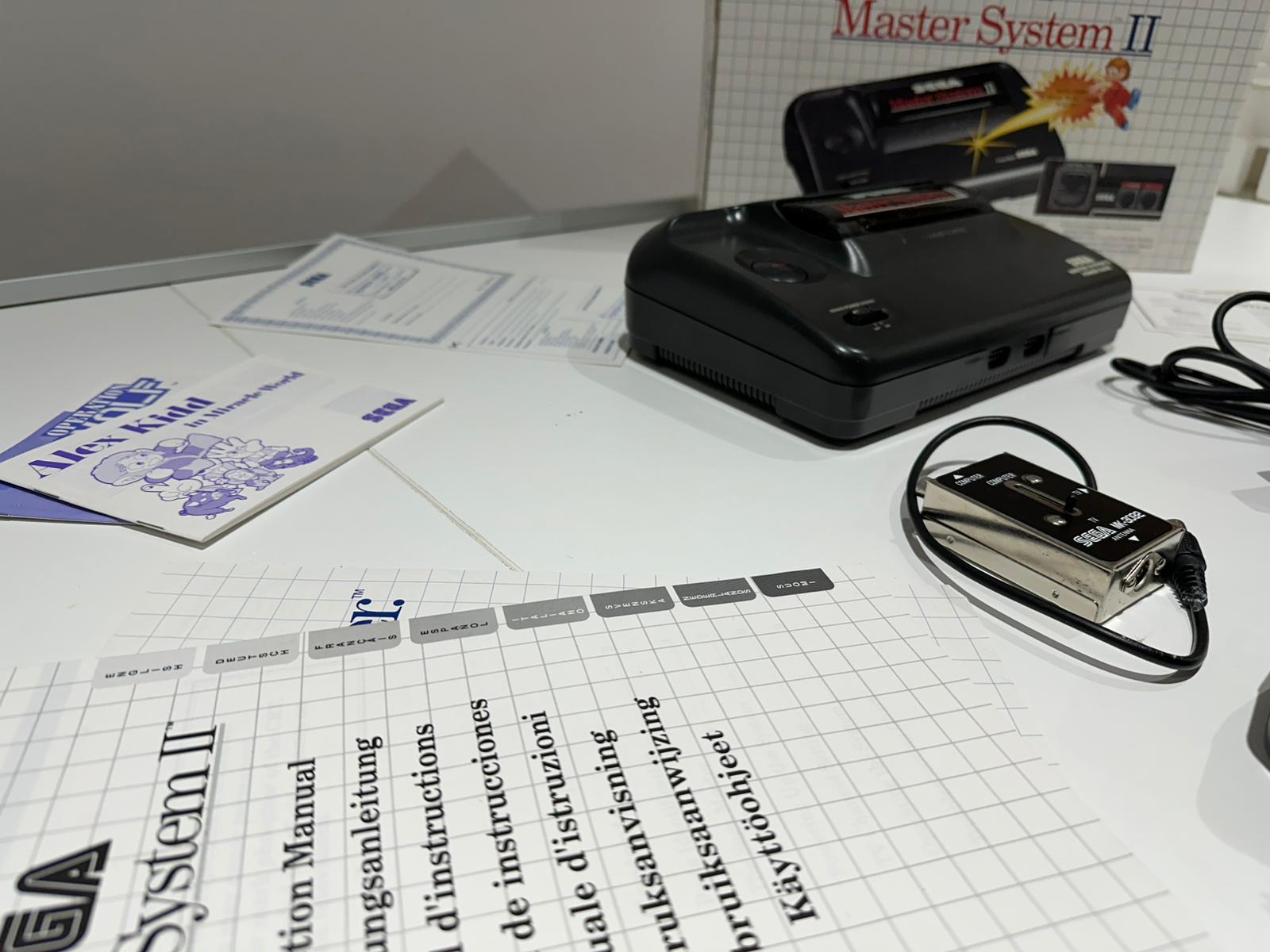
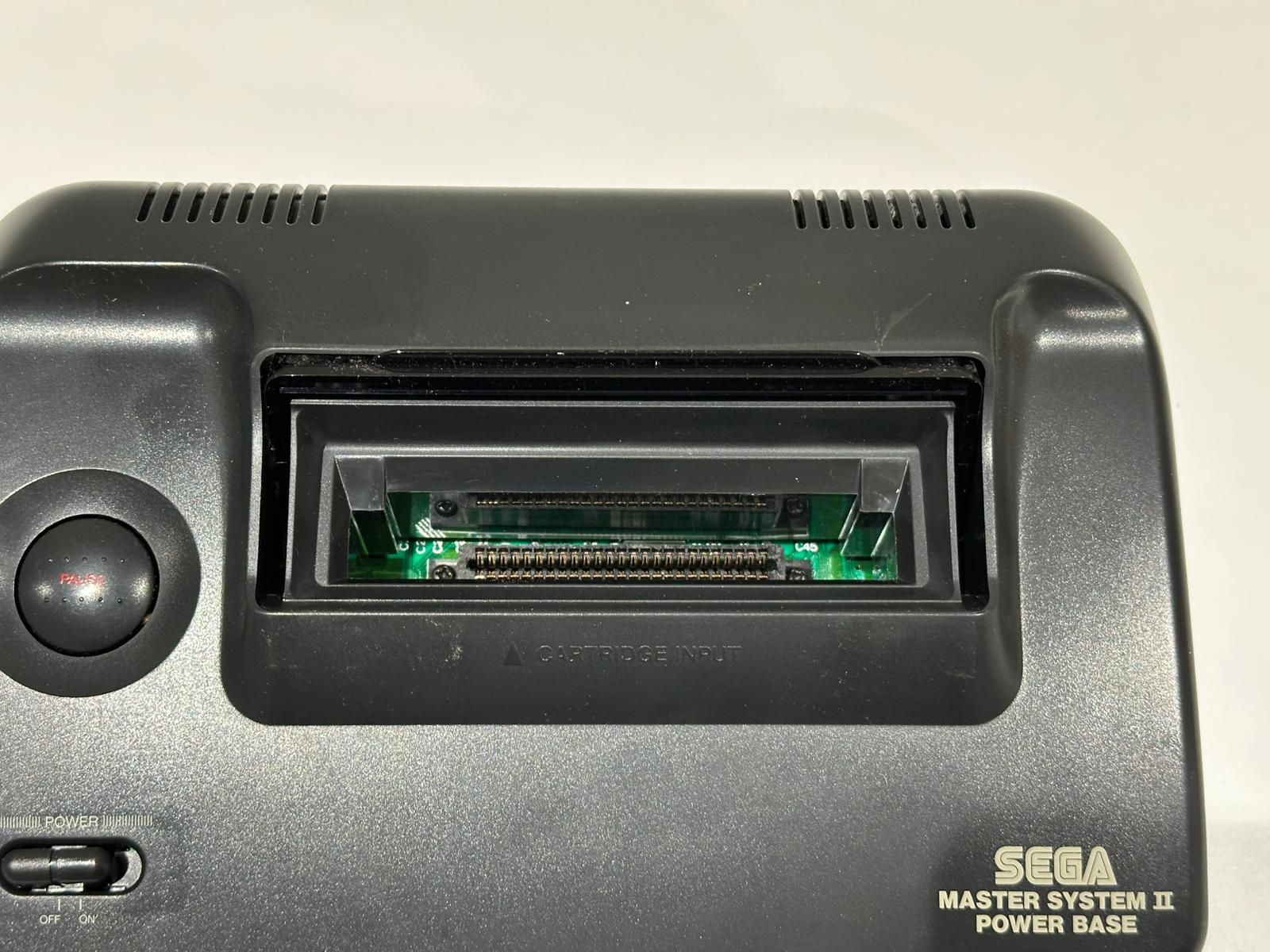
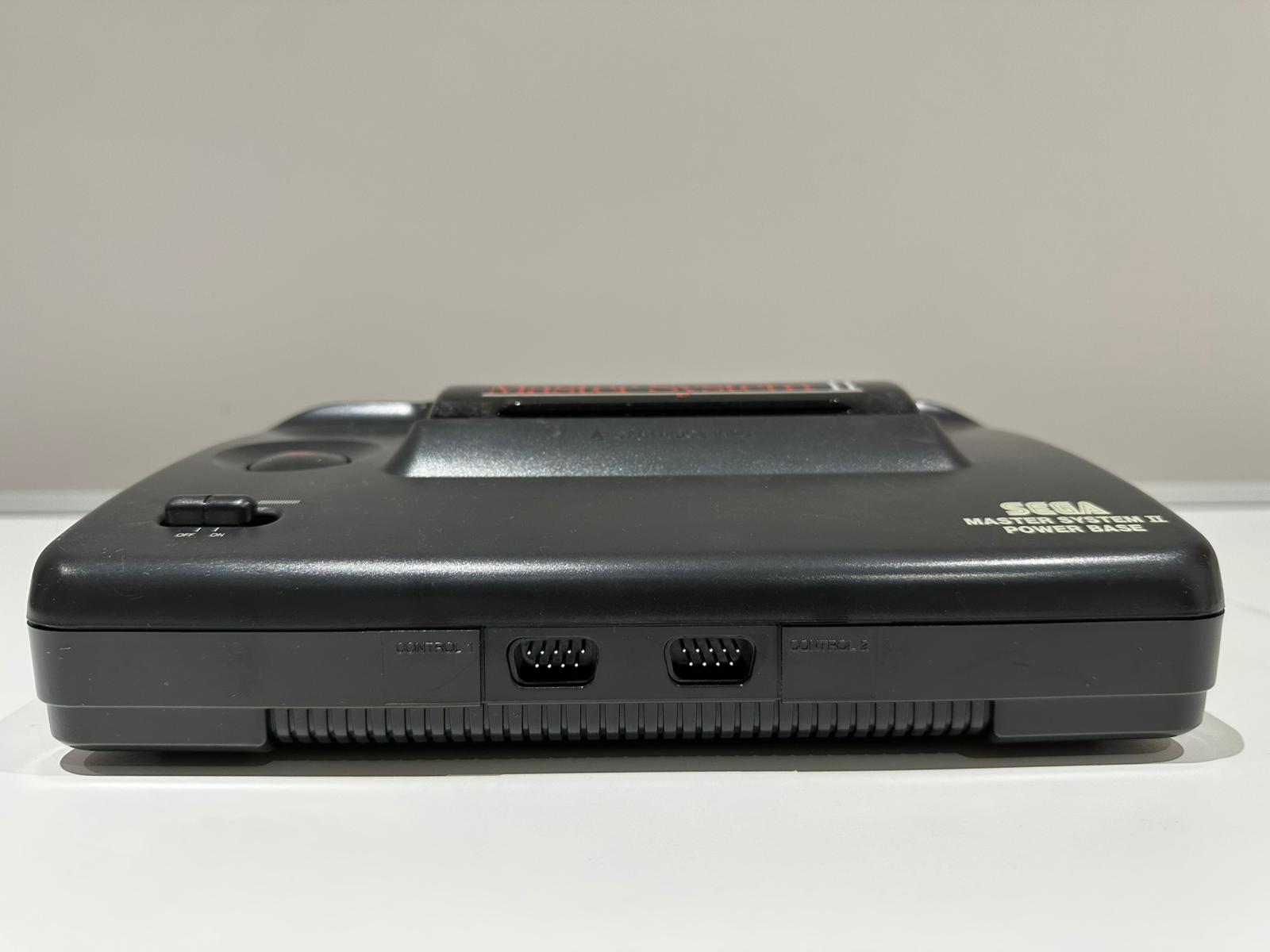
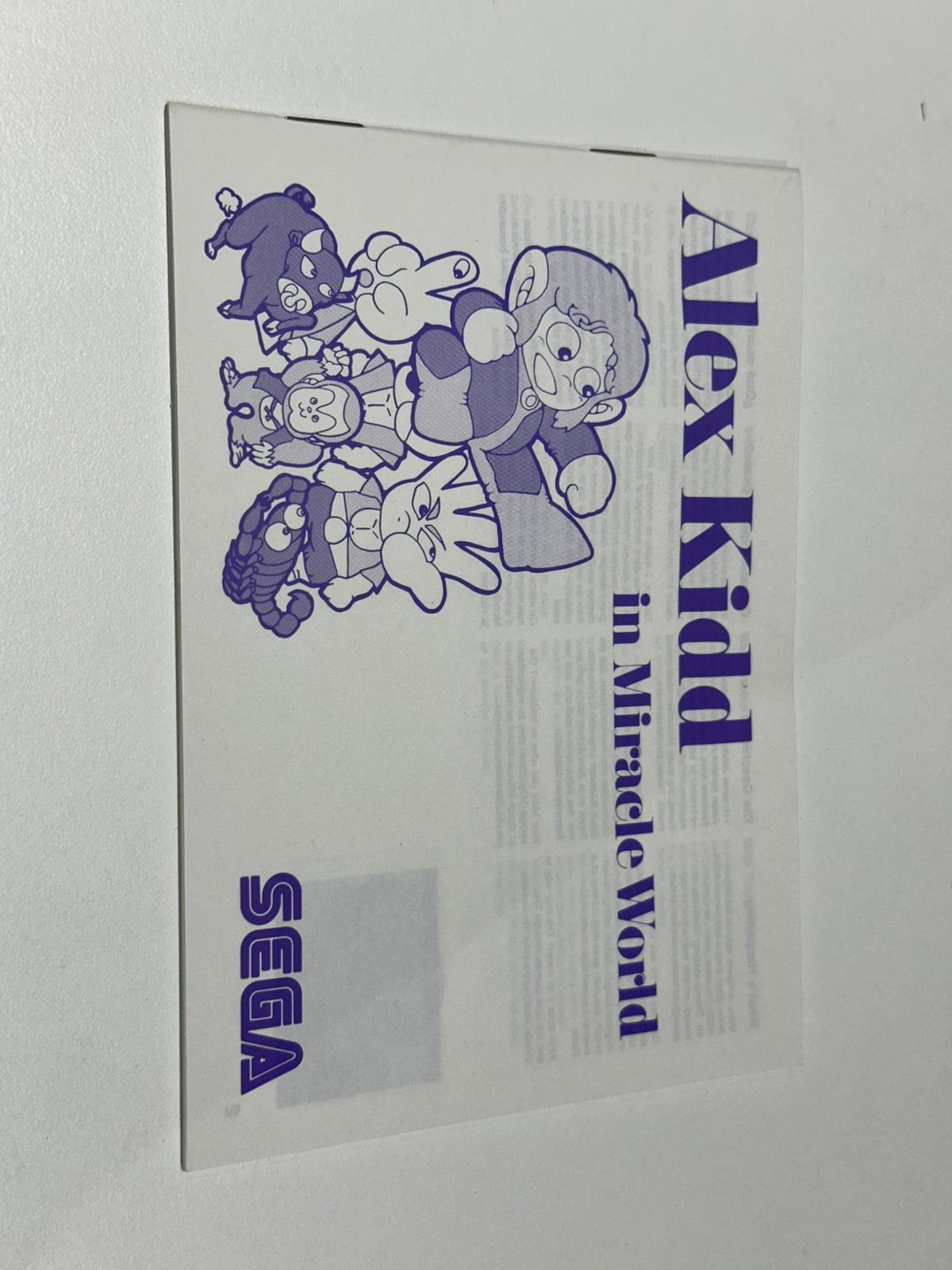
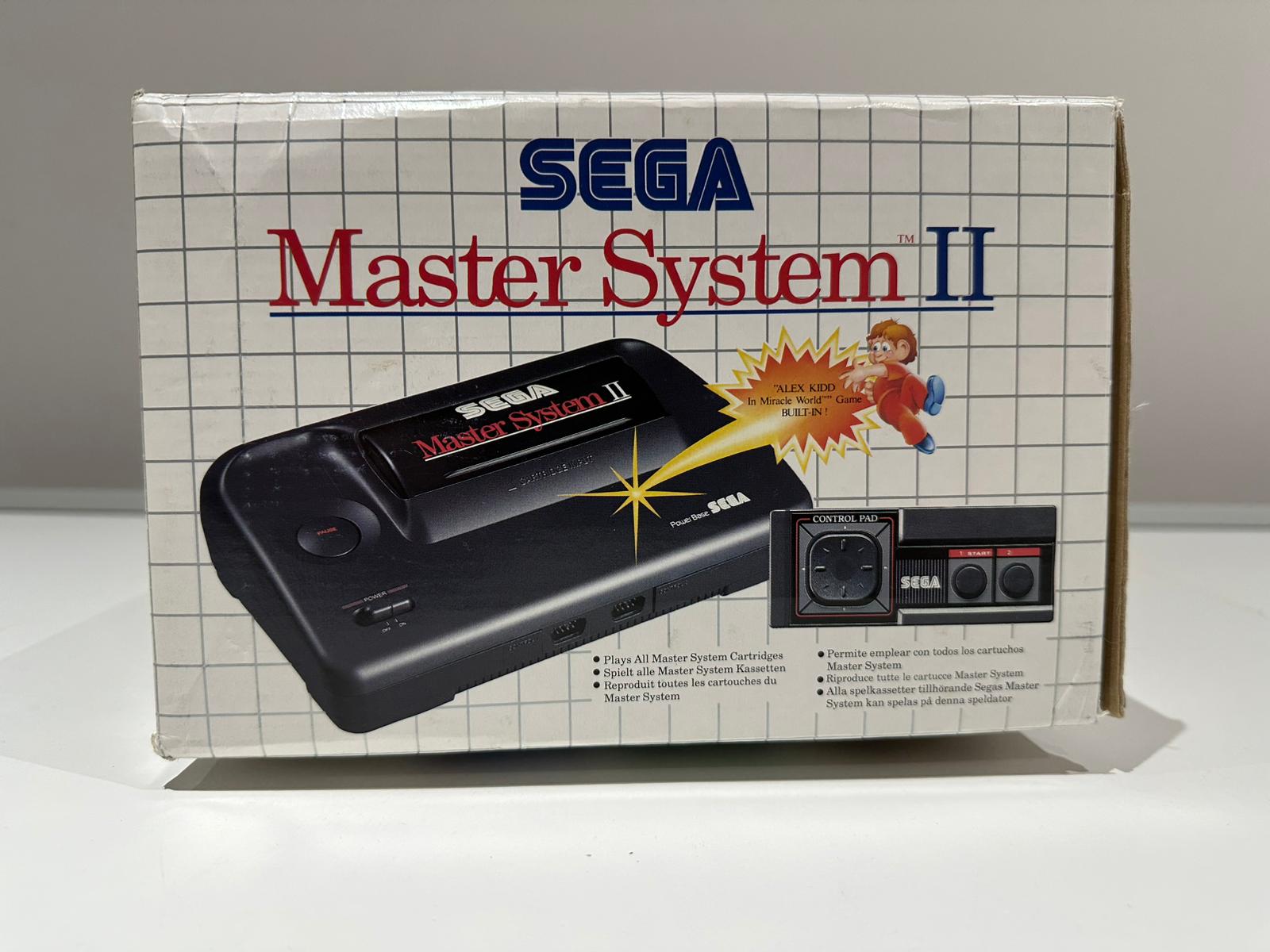
The Master System II was Sega's streamlined and cost-effective revision of its original Master System console, released in 1990. Designed to compete more aggressively with the Nintendo Entertainment System (NES), the Master System II aimed to provide a more affordable entry point into the 8-bit gaming market. This model eliminated the card slot found on the original, focusing solely on cartridge-based games. Notably, it came bundled with the popular game Alex Kidd in Miracle World built-in, a move that significantly boosted its appeal to consumers.
While the Master System II didn't dethrone Nintendo's dominance, it carved out a niche for itself, particularly in Europe and Brazil, where it enjoyed considerable success. Its simplified design and bundled game made it an attractive option for budget-conscious families. The console's library, although smaller than the NES, featured a diverse range of titles, including arcade ports and original games that are still fondly remembered. The Master System II played a crucial role in establishing Sega as a major player in the video game industry, paving the way for the Genesis/Mega Drive and subsequent consoles.
1990
SEGA
MASTER SYSTEM II
📜 History & Legacy
⚙️ Specifications
- ❖ CPU: Zilog Z80A @ 3.58 MHz
- ❖ GPU: Texas Instruments TMS9918A (modified)
- ❖ RAM: 8 KB
- ❖ VRAM: 16 KB
- ❖ Resolution: 256 x 192 pixels
- ❖ Sound: Texas Instruments SN76489 PSG
- ❖ Media: Cartridge
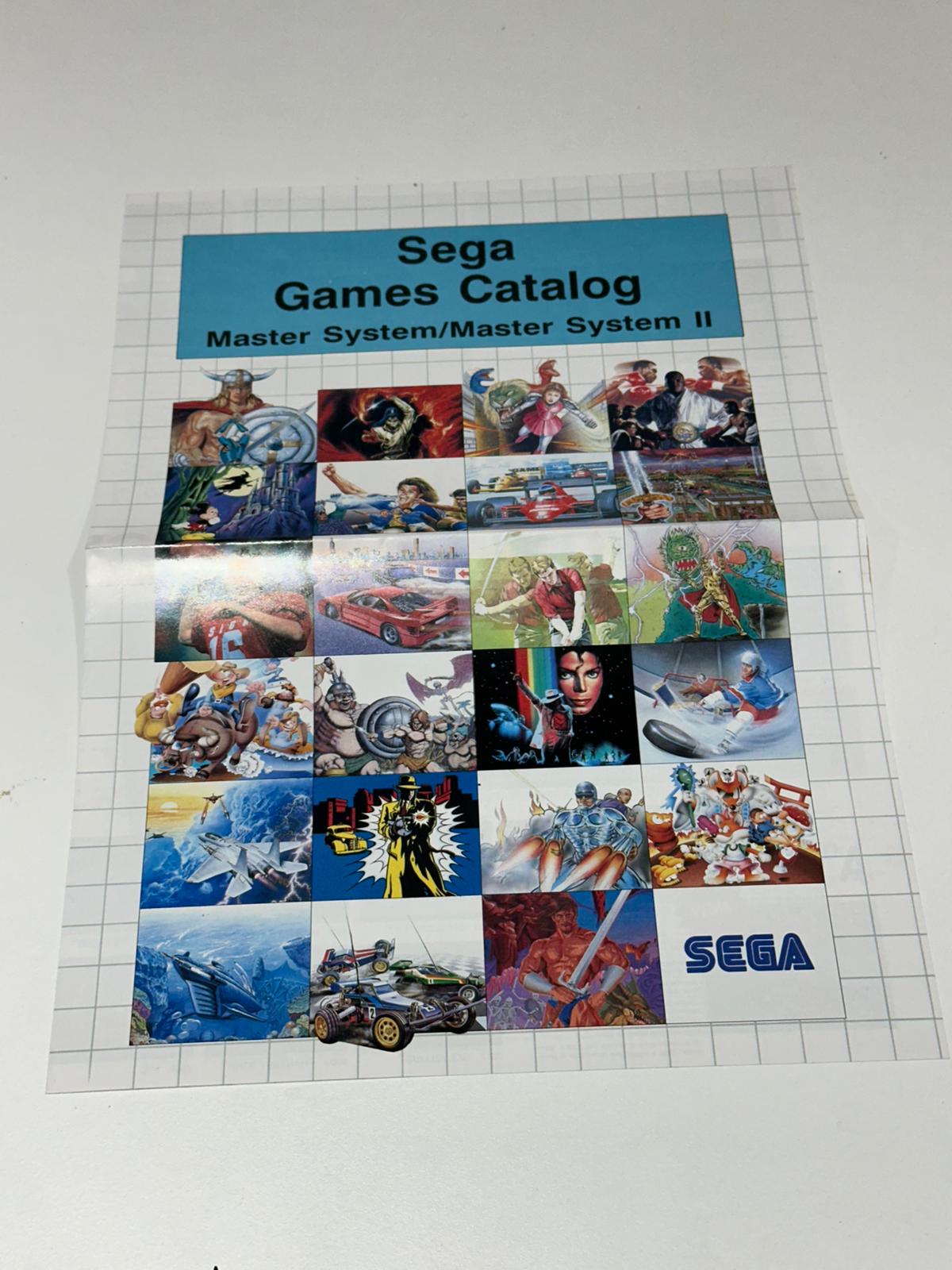
🎮 Top 10 Games
- ★ Alex Kidd in Miracle World
- ★ Sonic the Hedgehog
- ★ Phantasy Star
- ★ Wonder Boy III: The Dragon's Trap
- ★ Shinobi
- ★ Golden Axe Warrior
- ★ Land of Illusion Starring Mickey Mouse
- ★ Castle of Illusion Starring Mickey Mouse
- ★ Wonder Boy in Monster Land
- ★ R-Type
💡 Curiosities
- ? The Master System II was significantly smaller and lighter than the original Master System.
- ? The built-in **Alex Kidd in Miracle World** game could not be removed or replaced.
- ? The Master System II lacked the card slot, meaning games released on Sega Cards were not compatible without an adapter.
- ? The console was particularly popular in Brazil, where it continued to be produced and sold for many years after it was discontinued in other regions.
- ? Some Master System II models included a light gun port for use with games like **Shooting Gallery** and **Safari Hunt**.
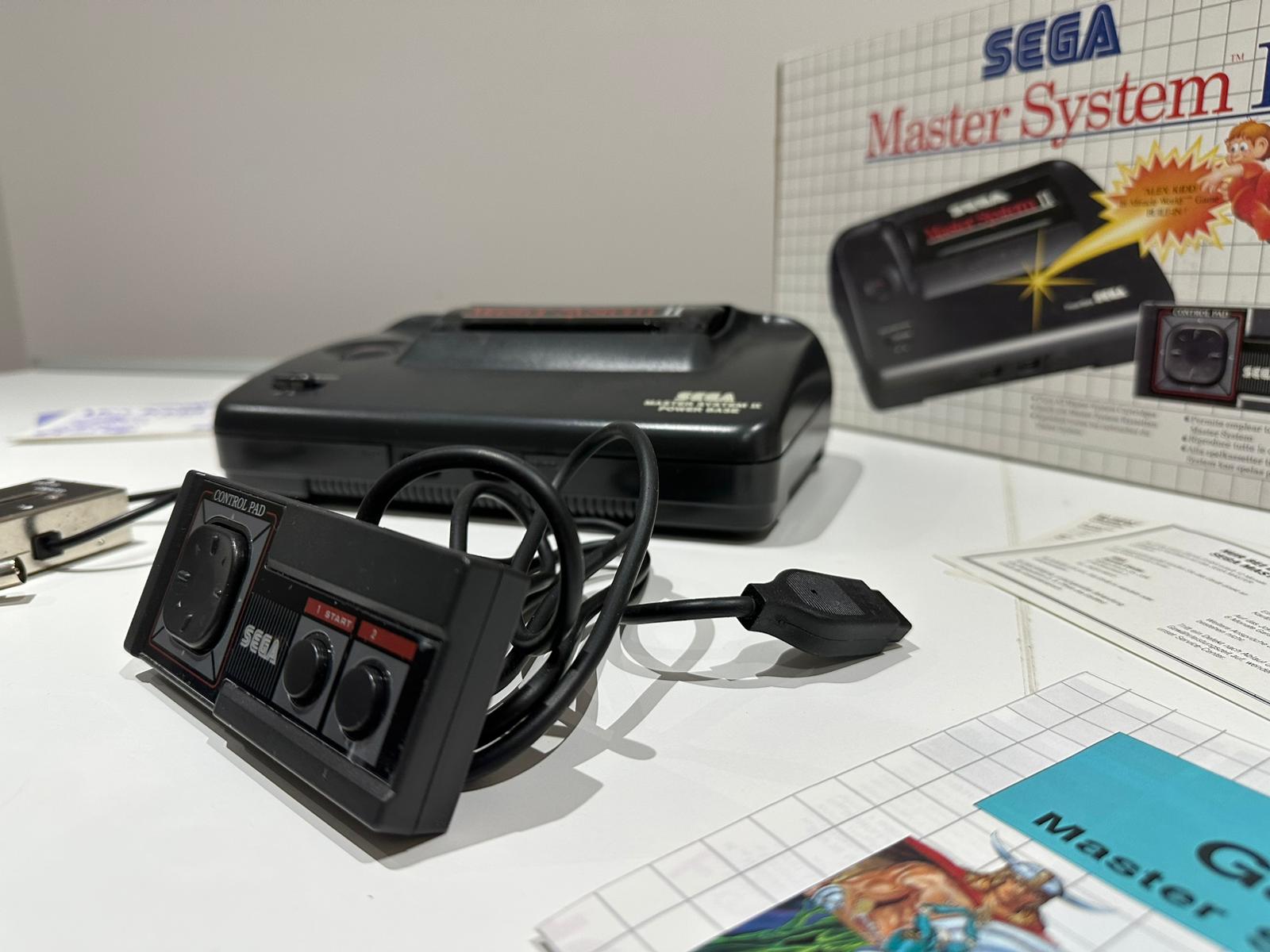
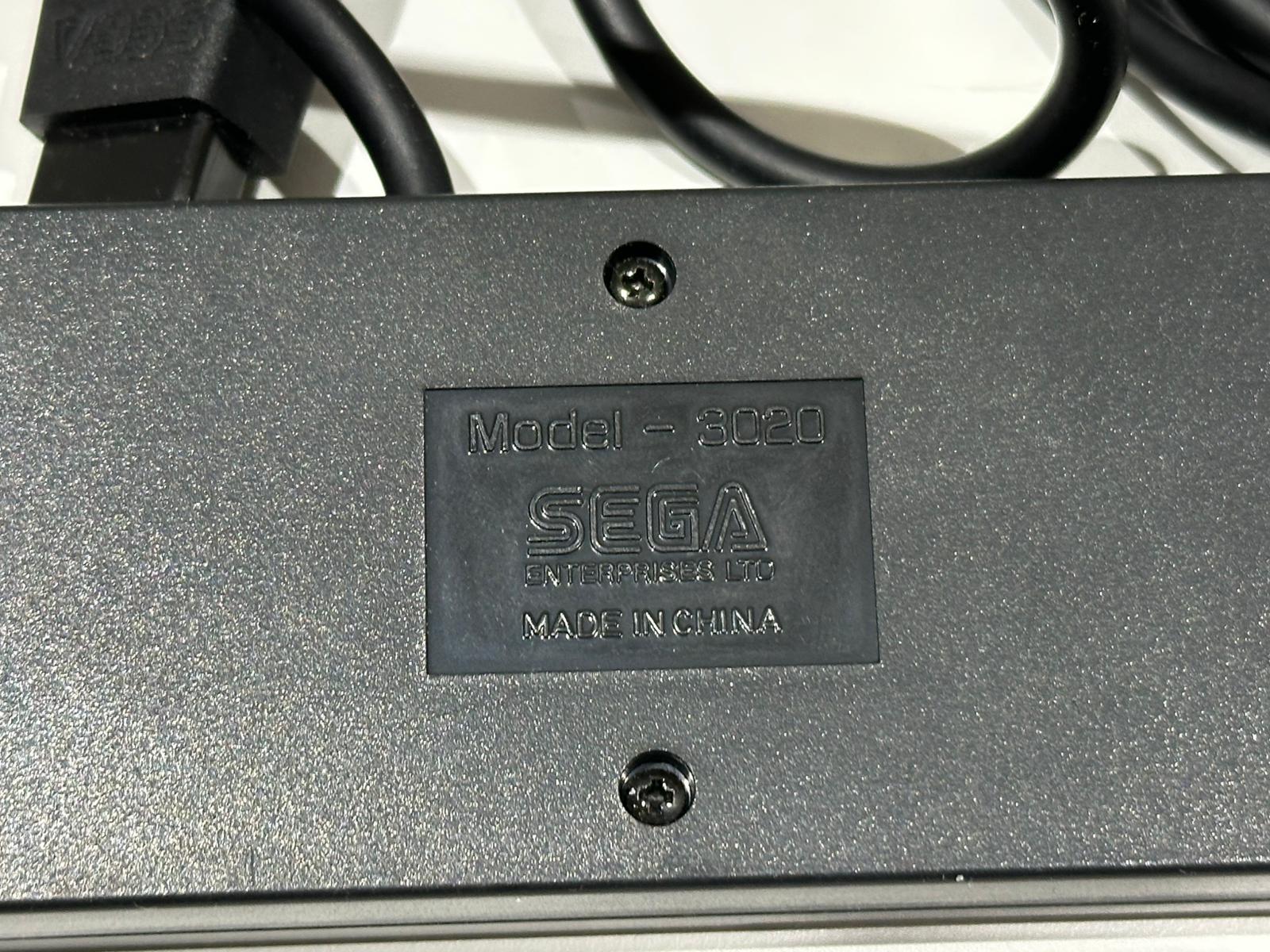
- ? The Master System II was often bundled with two controllers, making it ready for multiplayer gaming right out of the box.
- ? The design of the Master System II was intended to be more appealing to a younger audience, with rounded edges and a simpler overall aesthetic.
- ? The console's lower price point compared to the original Master System helped it gain traction in price-sensitive markets.
- ? The Master System II's success in Europe helped establish Sega's brand recognition and paved the way for the Mega Drive's success.
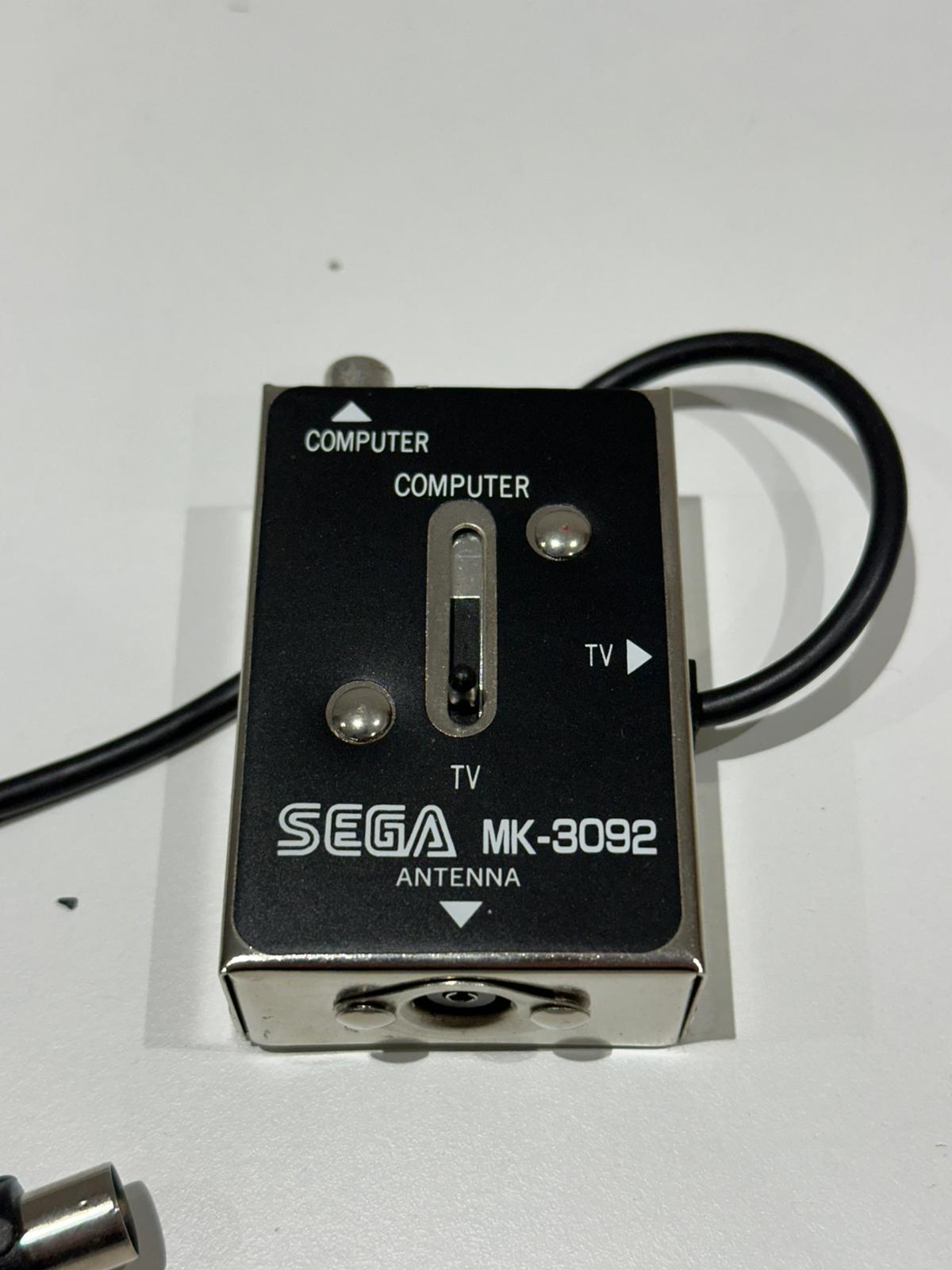
- ? The Master System II supported a variety of accessories, including a light phaser, 3D glasses and a rapid-fire adapter.
📸 Gallery
.jpeg)
.jpeg)
.jpeg)
.jpeg)
.jpeg)
.jpeg)
.jpeg)
.jpeg)
.jpeg)
.jpeg)
.jpeg)
.jpeg)
.jpeg)
.jpeg)
.jpeg)
.jpeg)
.jpeg)
.jpeg)
.jpeg)
.jpeg)
.jpeg)
.jpeg)
.jpeg)
.jpeg)
.jpeg)
.jpeg)
.jpeg)
.jpeg)
.jpeg)
.jpeg)
.jpeg)
.jpeg)